In an era dominated by digital connections, the timeless act of gardening together emerges as a powerful catalyst for deepening bonds and fostering emotional healing. Could tending to a garden side by side help reclaim genuine human connection amid the noise of modern life? This narrative explores how working with nature not only cultivates lush vegetables and vibrant flowers but also nurtures patience, communication, and mutual support. As hands dig, plant, and nurture, relationships are rooted in shared effort, resilience, and hope—mirroring the growth within ourselves. Scientific insights reveal that outdoor gardening reduces stress and promotes well-being, turning communal outdoor spaces into sanctuaries of trust and belonging. Yet, the journey isn’t without challenges: emotional wounds, accessibility issues, and cultural perceptions may hinder its universal appeal. Still, this gentle act reminds us that authentic connection requires effort, presence, and patience—ingredients that, when cultivated together, can transform lives and communities alike.
Reconnecting in a Digital Age: The Power of Gardening Together
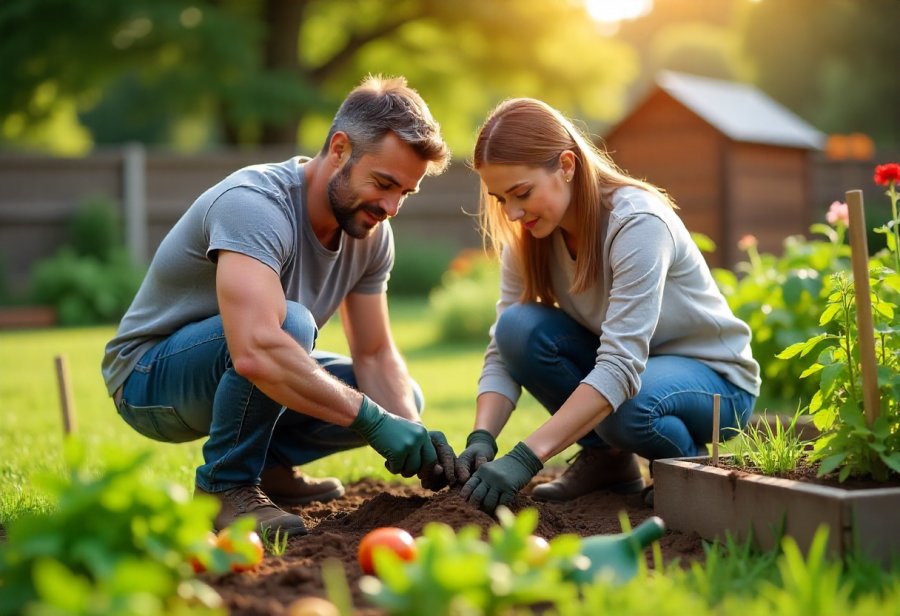
In today’s digital world, it’s easy to feel disconnected even when we’re constantly online. We scroll through social media, respond to messages, and binge-watch shows, often missing out on real face-to-face interactions. Amid all this noise, gardening together offers a simple yet powerful way to reconnect—bringing us back to nature and to each other. Working side by side in a garden creates a natural flow of conversation, patience, and shared purpose that’s hard to find elsewhere.
When people tend a garden together, it encourages slowing down and being present. The physical act of digging, planting, and caring for plants has a calming rhythm that promotes mindfulness. As hands get dirty and sights and smells come alive, we become more aware of the moment, disconnecting from worries and digital distractions. This shared activity sparks open communication and mutual support, helping deepen relationships over time.
Gardening also taps into a natural healing power often overlooked. Being outdoors—surrounded by greenery and fresh air—reduces stress and lifts mood. Scientific studies show that time in nature can lower cortisol levels and foster feelings of well-being. When shared with others, this effect is amplified; watching plants thrive through collective effort fosters a sense of achievement and hope. It’s a gentle reminder that growth and renewal are possible, both in plants and within ourselves.
In a world that often feels hurried and disconnected, stepping outside to tend a garden together offers a meaningful way to rebuild trust and warmth. It’s about more than just planting seeds; it’s about planting trust, understanding, and emotional healing. These quiet moments of shared effort create a foundation for deeper bonds, built through patience, care, and mutual support rather than words alone.
Gardening teaches important lessons about cooperation and patience. Tasks like watering, pruning, or managing setbacks require ongoing teamwork and communication. Over time, small successes—like a blossoming flower or ripening vegetable—become symbols of trust and pride. These shared victories show that growth in a garden mirrors growth in relationships, emphasizing how patience and collaboration can nurture emotional connections as well as plants.
In a digital era that often prioritizes speed and surface-level interactions, gardening together reminds us of the value of presence and effort. It’s a gentle, grounding practice that fosters authentic connection, rooted in the natural cycle of growth and care. Through tending the soil side by side, we rediscover what it truly means to connect—grounded, present, and purposeful.
Healing and Growth Through Shared Garden Moments
Gardening together often serves as a natural form of outdoor therapy, providing a calming space for emotional growth. The simple acts of digging, planting, and nurturing create a gentle rhythm that helps individuals process feelings in a peaceful, grounding environment. When done with others—family, friends, or partners—these shared efforts encourage open communication and deepen bonds through mutual support. Watching a seed grow into a healthy plant becomes a powerful metaphor for personal and relational development, boosting confidence and resilience along the way.
This activity also fosters emotional resilience by giving people a sense of control and achievement. Seeing tangible results—like a vibrant flower or a thriving vegetable—can inspire hope and motivation, especially during tough times. The routine of tending a garden promotes mindfulness, helping individuals disconnect from worries and digital distractions. Engaging with nature in this way creates a space for emotional awareness and healing, offering a gentle outlet for processing stress, grief, or trauma.
Working side by side in the garden deepens relationships by requiring ongoing cooperation and problem-solving. Tasks like watering, pruning, or managing setbacks demand communication and teamwork, laying a foundation of trust. Celebrating small wins—such as a blossoming flower or a ripe tomato—reinforces the idea that growth and healing are collaborative efforts. The physical act of caring for the garden becomes a symbol of mutual effort, illustrating that patience and attention nurture not only plants but emotional bonds as well.
The healing power of nature is woven into every moment spent outdoors. Sensory experiences—feeling soil, smelling herbs, hearing birdsong—ground participants and shift focus outward, away from internal stresses. This connection reduces cortisol levels and fosters a sense of calm, making space for emotional recovery. Shared outdoor moments become safe havens where difficult emotions can be processed, helping to rebuild emotional strength and hope.
Beyond individual benefits, gardening together strengthens community ties. Neighborhood gardens or shared plots bring diverse people into a common space, fostering cooperation and social interaction. These collective efforts create a sense of belonging that extends beyond the garden bed, helping to reduce isolation and promote inclusivity. Through consistent teamwork, gardening becomes a catalyst for building trust and understanding among community members.
Gardening also encourages patience and resilience, essential qualities for emotional growth. The slow, steady process of nurturing life reminds us that meaningful change takes time and care. Watching plants flourish under collective effort reinforces that progress is often incremental but rewarding. This understanding translates into stronger relationships, where patience and mutual effort lead to deeper trust.
While gardening offers many benefits, it’s important to recognize its limits. Not everyone may find outdoor activity accessible or meaningful, especially if underlying relationship issues are unaddressed. Gardening is a supportive tool, but genuine emotional healing often requires honest conversations or professional help. When integrated thoughtfully, however, gardening becomes a powerful part of a broader approach to emotional and relational well-being.
Overcoming Obstacles: Challenges to Gardening as Connection
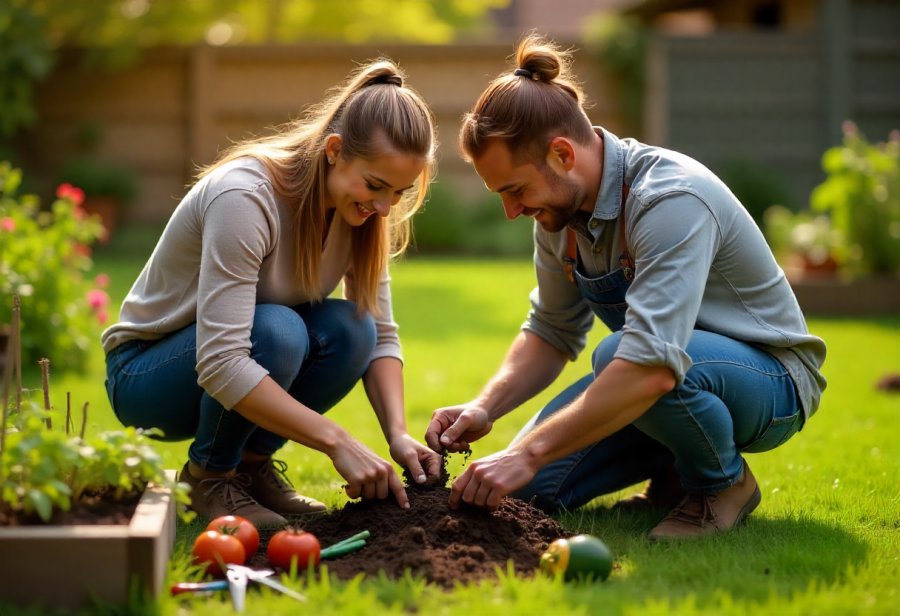
While gardening can be a meaningful way to build bonds and foster healing, it’s not a one-size-fits-all solution. For some, the act of tending a garden together might not address deeper emotional issues. If underlying trust or communication problems are already present, simply planting flowers or vegetables may not resolve those core conflicts. In fact, without addressing the root causes, gardening could lead to frustration or misunderstandings rather than strengthening bonds.
Others see gardening as a somewhat superficial activity—a pleasant distraction rather than a true remedy for emotional wounds. While working in the soil can lift spirits temporarily, genuine relationship growth often requires honest conversations and vulnerability. For some, gardening might feel more like a hobby than a pathway to meaningful change, especially if deeper issues need targeted approaches like therapy or open dialogue.
Access also presents a real challenge. Not everyone has outdoor space or the physical ability to tend a garden. Urban dwellers in small apartments or those with mobility limitations might find traditional gardening difficult or impossible. This can limit its effectiveness as a universal tool for connection, making it less inclusive for people with health concerns or limited resources.
Cultural perceptions and skepticism about gardening’s value can further complicate its role in emotional or relationship work. Some dismiss it as a trivial pastime or a fleeting trend, overlooking its potential for genuine growth and connection. This skepticism can slow acceptance, especially when people favor quick fixes over slow, patient efforts like nurturing a garden.
Personality and relationship dynamics also influence how well gardening works as a bonding activity. If one person isn’t genuinely interested or feels obligated, the experience can backfire. Disagreements over plant choices or timing might create tension instead of harmony. When participation feels forced or mismatched, gardening risks becoming a source of conflict rather than a means of connection.
Finally, while outdoor activities like gardening are beneficial, they shouldn’t replace direct emotional work. Deep healing and relationship growth often depend on honest conversations, counseling, or other interventions. Recognizing gardening’s limits ensures it’s used as a supportive tool within a broader approach, rather than a standalone fix for complex issues.
Planting Relationships: Practical Ways Gardening Builds Bonds
Tending a garden together extends beyond individual enjoyment; it has the power to strengthen bonds within families and communities alike. When family members collaborate on planting vegetables or flowers, they not only share responsibilities but also create lasting memories rooted in patience and teamwork. These shared experiences foster a sense of pride and connection that can deepen over time, turning simple acts like watering or harvesting into routines of mutual support.
In schools, gardening serves as an engaging way to promote cooperation and environmental awareness. Students learn teamwork through hands-on projects, transforming outdoor spaces into vibrant classrooms that nurture social skills and a collective sense of achievement. These lessons in collaboration often translate into stronger peer relationships and a greater appreciation for nature, planting seeds for lifelong values.
Community gardens take this concept even further, bringing together neighbors from diverse backgrounds to cultivate shared plots. These green spaces become more than places to grow food; they evolve into lively hubs of interaction and cultural exchange. As neighbors work side by side, barriers break down, fostering inclusivity and a sense of belonging rooted in common purpose. Over time, these efforts can revitalize neighborhoods, reduce social isolation, and build resilient, interconnected communities.
Beyond personal and neighborhood settings, gardening also plays a therapeutic role in structured programs. In mental health clinics or rehabilitation centers, group horticulture helps individuals develop patience, resilience, and confidence. Watching plants flourish under collective care offers hope and a tangible sense of progress, making gardening a gentle yet powerful tool for emotional healing and social integration.
In everyday life, small routines like watering herbs or tending flower beds create continuous opportunities for connection. These moments establish predictable, shared responsibilities that naturally encourage communication and cooperation. Over time, they become symbols of trust and mutual effort, reinforcing bonds beyond the activity itself and fostering a sense of stability and familiarity.
Across all these contexts, gardening offers an accessible and meaningful way to nurture relationships. It transforms outdoor work into a practice of patience, cooperation, and shared growth. As people nurture life in the soil, they also cultivate trust, understanding, and a sense of belonging that can endure beyond the garden bed. In doing so, tending a garden together becomes a quiet but profound act of building resilience and connection in a world that often feels disconnected.
Reclaiming Humanity: Gardening as a Path Back to Genuine Connection
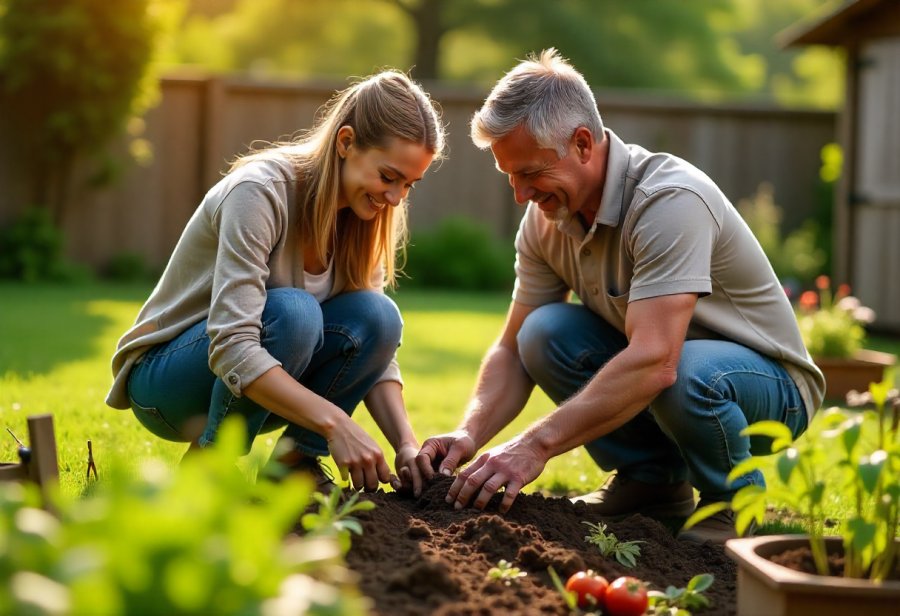
In a world that often feels dominated by screens and fleeting digital exchanges, the act of gardening together offers a grounding counterbalance. It’s a quiet, deliberate way to slow down, breathe, and reconnect on a human level. As hands work the soil side by side, we tap into a shared rhythm of patience and care that mirrors the growth of trust and understanding in our relationships. These moments remind us that meaningful bonds aren’t built overnight—they require consistent effort and presence, qualities sometimes lost amid the rush of modern life.
Planting and nurturing life in the soil becomes a powerful symbol of renewal, not just for the garden but for our connections as well. Watching a seed sprout into a thriving plant reinforces the idea that growth is a journey—one that unfolds through patience, attention, and collaboration. When we see the fruits of our collective effort, whether in blooming flowers or ripening vegetables, we’re reminded that progress is often slow but ultimately rewarding. This shared experience cultivates hope and resilience, qualities essential for deepening bonds over time.
Nature’s healing power is woven into every moment spent outdoors. The sensory richness of soil, herbs, and birdsong grounds us, pulling us out of internal stress and into the present. These simple acts of caring for each other’s well-being through shared outdoor work foster a sense of community and belonging that can heal wounds left by digital disconnection. They create a safe space for emotional recovery—an environment where trust can rebuild and flourish naturally.
Choosing to garden together is an act of reclaiming human connection in a digital age. It’s about prioritizing presence over speed, quality over quantity, patience over instant gratification. Every watering can, every pruning session, becomes a quiet affirmation of shared effort and mutual support. These routines, though small, lay a strong foundation for lasting relationships, rooted in the simple act of tending life side by side.
By nurturing plants, we simultaneously nurture trust, empathy, and understanding. Each seed planted and each harvest gathered becomes a testament to what can grow when effort, patience, and care are invested. Over time, these acts build resilience and deepen bonds, creating a shared story of growth that extends beyond the garden bed into every aspect of life. Gardening becomes more than a pastime—it’s a meaningful pathway to restoring the human touch that modern life often obscures.
Reconnecting through outdoor work reminds us that authentic relationships thrive on ongoing effort and genuine presence. It’s a gentle yet profound way to heal the rifts created by hurried, superficial interactions. When we dig, plant, and nurture together, we’re not just growing food—we’re cultivating trust, hope, and understanding. These are the seeds that, when tended with care, can blossom into lasting bonds and a more connected, compassionate world.