Modern home security is evolving far beyond traditional locks and alarms, integrating advanced technology to create connected, remote-controlled safety networks. From high-definition CCTV cameras with night vision to smart locks and automated sensors, these systems offer real-time monitoring, proactive responses, and personalized routines. They empower families to oversee their homes from anywhere, deterring intruders and providing crucial evidence if needed. Yet, this digital shift introduces vulnerabilities—reliance on internet stability, cybersecurity risks, and privacy concerns—raising questions about whether convenience compromises safety. Can these sophisticated solutions truly safeguard your loved ones in an unpredictable world? As technology advances with AI and smarter analytics, balancing innovation with privacy and resilience becomes essential. Ultimately, the future of home security lies in integrating smart systems responsibly, ensuring they serve as reliable protectors—without creating new vulnerabilities in our increasingly connected lives.
Transforming Home Safety: The Rise of Connected Security Systems
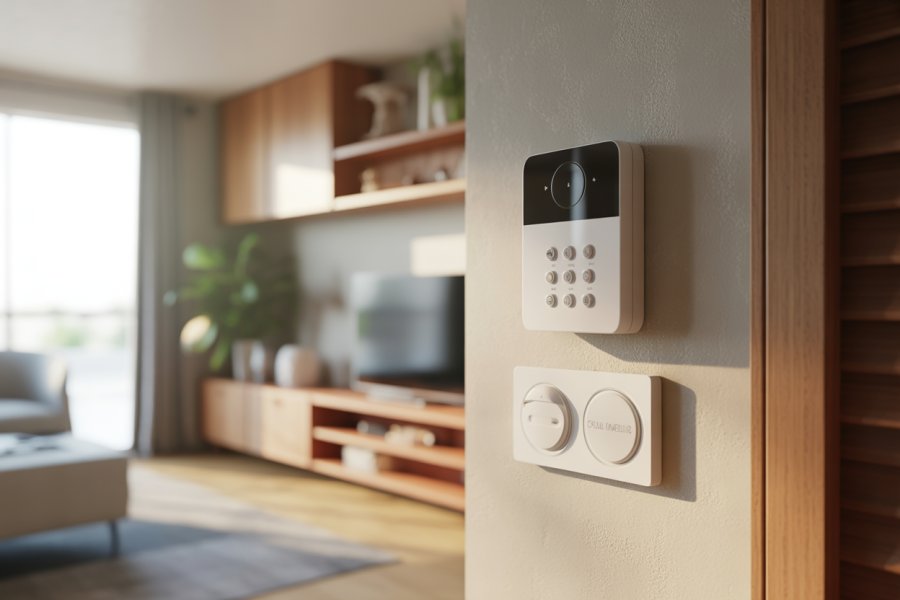
The way we protect our homes today has changed dramatically from the days of simple locks and basic alarms. In the past, locking doors and installing a siren was often enough to deter most intruders. However, as threats have grown more sophisticated, so have the tools we rely on to keep our homes safe. Modern security solutions now focus on integrated, remote-controlled systems that connect cameras, alarms, locks, and sensors into a single, smart network. This shift allows homeowners to monitor and manage their security from anywhere, transforming their house into a connected safety hub.
The breakthrough came with the rise of internet-connected devices that communicate seamlessly. Instead of isolated alarms or cameras, these systems enable real-time access through smartphones or tablets. Homeowners can view live footage, receive instant alerts, and control locks remotely—all from their devices. This connectivity makes security more responsive and proactive, giving families the ability to react quickly to potential threats, whether they’re at work, traveling, or relaxing at home.
Advances in technology have also enhanced the capabilities of these systems. High-definition CCTV cameras with night vision and motion detection make it easier to identify suspicious activity while providing clear evidence if needed. Integration with home automation means lights can turn on automatically when motion is detected, locks can engage when you leave, and environmental sensors can monitor for hazards like water leaks or smoke. These interconnected devices work together to not only protect but also simplify everyday routines.
This evolution from traditional physical barriers to digital, interconnected systems reflects a demand for smarter, more adaptable home protection. Today’s security solutions are designed to be user-friendly and customizable, allowing homeowners to tailor their setup to specific needs. Whether focusing on outdoor surveillance or automating entry routines, these systems offer a level of control and peace of mind that previous generations couldn’t imagine.
While these innovations significantly boost safety, they’re not without challenges. Dependence on stable internet connections means outages can temporarily disable remote monitoring and alerts. Privacy concerns also grow as more devices collect sensitive data, making cybersecurity a crucial aspect of modern home security. Recognizing these limitations helps ensure that these systems are part of a balanced approach—integrating traditional practices with cutting-edge technology for comprehensive protection.
In essence, the evolution of home security reflects a broader shift toward smarter living. It’s about turning technology into a tool that enhances safety without complicating life. As systems become more sophisticated and intuitive, families gain confidence knowing they can keep their homes secure—no matter where they are. This seamless blend of innovation and practicality is shaping the future of home safety, making it more responsive, reliable, and centered around the needs of today’s households.
Tracing the Evolution: From Traditional Locks to Smart Security Networks
Home security has come a long way from the basic locks and alarms of earlier times. Initially, physical barriers like deadbolts, chains, and simple alarm systems offered some level of deterrence, but they were limited in scope and easy for intruders to bypass. The introduction of electronic devices such as CCTV cameras and remote alarm systems marked a significant step forward, allowing homeowners to monitor their property more effectively and receive instant alerts. These early innovations laid the groundwork for a more connected, intelligent approach to safeguarding homes.
The real transformation began when these standalone devices started to connect into integrated networks. Instead of managing each system separately, homeowners could now access multiple devices through a single interface, often via smartphones. This connectivity enabled real-time remote monitoring, giving users the ability to view live footage, control locks, and receive alerts from anywhere. It shifted home security from a reactive measure to a proactive system capable of responding swiftly to threats, regardless of the homeowner’s location.
Over time, CCTV technology advanced dramatically. Cameras evolved from bulky wired units to sleek, high-definition models equipped with night vision, wide-angle lenses, and intelligent motion detection. These improvements provided clearer images and broader coverage, making it easier to identify suspicious activity and gather valuable evidence. Simultaneously, alarm systems integrated with motion sensors, glass-break detectors, and environmental monitors became smarter, reducing false alarms and increasing detection accuracy. These innovations made home security more reliable and less prone to errors.
The integration of home automation and the Internet of Things (IoT) further elevated security systems. Devices began to communicate seamlessly, enabling routines like lights turning on when motion is detected, doors locking automatically when you leave, or alarms activating upon breach detection. Such automation created a comprehensive safety network that responded automatically to various scenarios, making homes not only more secure but also more convenient to manage. This interconnected ecosystem allowed for tailored security solutions that adapt to individual needs.
Despite these impressive advancements, reliance on internet connectivity introduced new challenges. Power outages or network disruptions could temporarily disable remote access and alerts, leaving homes vulnerable. Additionally, the proliferation of connected devices raised concerns about data privacy and cybersecurity. Ensuring that these systems are secure from cyber threats and that personal information remains protected is crucial as technology continues to evolve.
For additional context, read Fred Morgan‘s article Revolutionizing Home Security with Smarter Remote Solutions on The Rubber Room.
Today, the development of smarter sensors, AI-driven analytics, and faster communication networks promises even more sophisticated security solutions. These innovations aim to learn routines, detect unusual behavior automatically, and respond more accurately to threats. As these technologies become more integrated into our daily lives, balancing innovation with privacy and resilience will be key to creating home security systems that are both highly effective and ethically sound. The evolution of home security reflects a broader trend—one that values smarter, more adaptable protection while safeguarding personal rights.
Protect Your Markham Property with Trusted Canadian Security Solutions
F.I.S.T Security is a proudly Canadian owned and operated business serving Markham, Ontario, and the surrounding areas. Renowned for our exceptional reputation, we specialize in comprehensive security services including intruder detection, card access, alarm monitoring, remote video monitoring, lighting, and environmental control. Our team goes the extra mile to ensure your safety and peace of mind, especially when you need tailored solutions. One of our key offerings is CCTV, providing reliable surveillance to safeguard your property. At F.I.S.T Security, we prioritize your security needs and are committed to delivering outstanding service. Contact us today at 416.755.4233 or email [email protected] to learn more about our security solutions and how we can help protect your Markham residence or business.
Fundamental Elements of Modern Home Security: Key Technologies and Terminologies
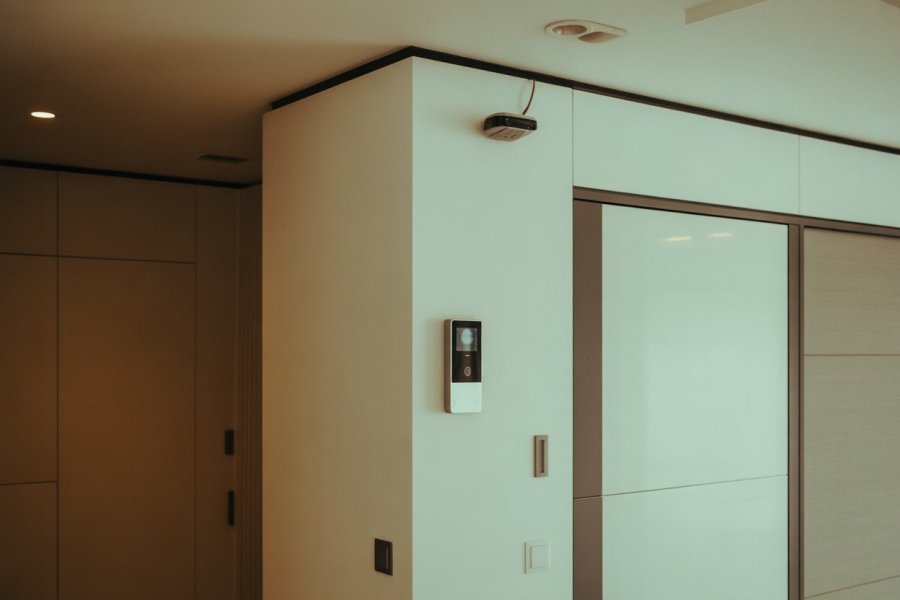
Modern home security relies on a clear understanding of key concepts and terminology that form the backbone of effective protection. One of the most familiar elements is CCTV, or closed-circuit television, which provides live video feeds from cameras placed around your property. These systems serve as both a deterrent to potential intruders and a valuable source of evidence if a break-in occurs. Whether installed indoors or outdoors, CCTV cameras allow homeowners to monitor their homes remotely, offering peace of mind and greater control over their safety.
Smart locks are another essential component, replacing traditional keys with digital controls accessible via smartphones or biometric data like fingerprints. These locks simplify entry management, enabling you to grant or revoke access easily while maintaining a record of who enters and when. This feature is especially useful for managing visitors, service providers, or family members, adding an extra layer of security without the hassle of physical keys.
Remote monitoring is the core of today’s connected security systems. It allows homeowners to oversee their property from anywhere through internet-enabled devices. With live video streams, instant alerts, and remote control over locks and sensors, you’re always in the loop. This capability enhances responsiveness, letting you make quick decisions during emergencies or suspicious activities, no matter your location.
Automation integration connects multiple devices into a cohesive security ecosystem. When sensors detect motion or a breach, the system can automatically turn on lights, activate cameras, or sound alarms—creating a coordinated response that improves security and convenience. This interconnected setup makes it easy to customize routines, focus on vulnerable entry points, or automate daily security tasks, making your home smarter and safer.
Sensors are the foundation of detection in modern security setups. Motion detectors, window and door sensors, and glass-break sensors work silently in the background, alerting you to unusual activity. By customizing sensor zones and sensitivities, homeowners can minimize false alarms and increase reliability. These small yet vital devices form a layered defense, reacting swiftly to potential threats and providing early warning.
A relevant discussion appears on Galactic Ranks in Eleanor Wells‘s Embrace the Future of Smarter, Safer Home Security Systems.
Understanding these core components—CCTV, smart locks, remote monitoring, automation, and sensors—empowers you to build a tailored security system that fits your household’s needs. When these elements work together seamlessly, they create a flexible, proactive safety net. Recognizing their strengths and limitations ensures your security measures are effective, reliable, and adaptable to today’s unpredictable environment.
Bringing Security to Life: Practical Applications and User Experiences
Modern home security systems are designed to seamlessly integrate into daily routines, offering tangible benefits that resonate with today’s busy families. The ability to monitor your property remotely provides peace of mind—whether you’re at work, traveling, or running errands, a quick check on your smartphone can confirm everything is in order or alert you to potential issues. This instant access allows you to respond swiftly to suspicious activity, making your security proactive rather than reactive. Many homeowners find this feature invaluable for maintaining a sense of control, especially when they are away from home.
Beyond surveillance, automation elevates safety and convenience. Smart cameras, motion sensors, and connected devices work together to create a responsive environment. For example, motion detection can trigger outdoor lights to turn on, or a door can lock automatically when you leave. These routines not only enhance security but also simplify daily life by reducing manual tasks. Users appreciate how easily they can customize alerts and responses—setting zones around vulnerable entry points or scheduling routines for different times of day—so the system adapts to their specific needs.
Real-world experiences highlight the effectiveness of integrated systems in deterring intruders. Visible cameras and alarms act as a clear deterrent, discouraging malicious activity before it even begins. When a break-in occurs, recorded footage and real-time feeds become crucial evidence, helping authorities identify suspects more quickly. The ability to view live streams from anywhere means homeowners can make immediate decisions—calling emergency services or alerting neighbors—thus turning technology into an active safety partner.
Personalization is another key advantage. Modern security solutions can be tailored to fit individual lifestyles, whether that’s disabling sensors when home, creating specific zones, or setting schedules for armed and disarmed states. Smart locks add flexibility by allowing homeowners to grant temporary or permanent access without physical keys, while detailed logs of entries and exits improve accountability. This level of customization ensures the system is not only secure but also aligned with daily routines and unique household dynamics.
The article Transforming Home Security with Smarter, Seamless Technology by Layla Harper on Better Bricks Masonry provides useful background.
While these advances significantly improve home safety, challenges remain. Dependence on a stable internet connection means outages can temporarily disable remote features, leaving gaps in protection. Managing numerous interconnected devices can also become complex without proper setup or support, emphasizing the need for professional installation or user education. Recognizing these limitations helps homeowners leverage technology effectively, combining digital solutions with traditional safety practices for a balanced, resilient approach.
Looking Ahead: The Future of Home Security and Ethical Considerations
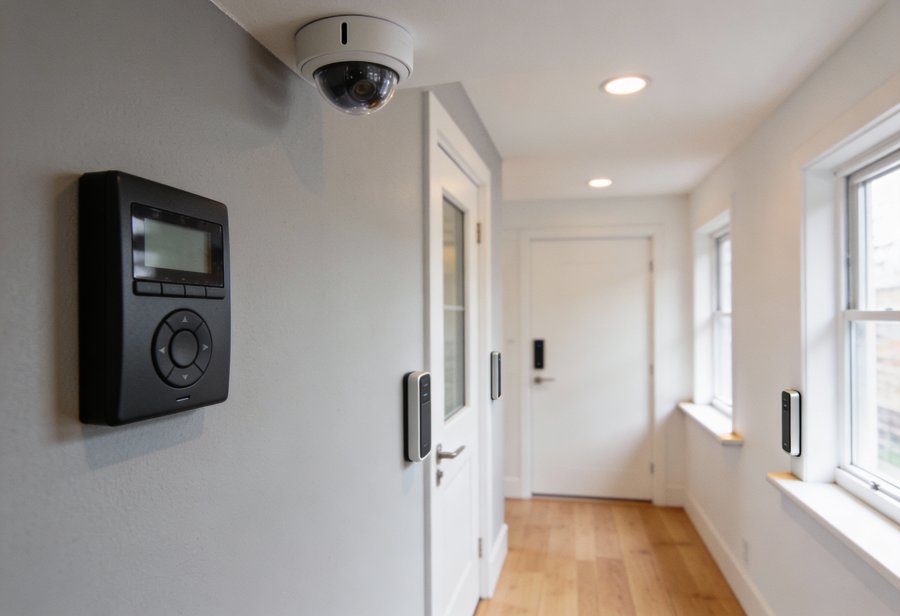
As home security technology advances, it offers families smarter ways to protect what matters most. Integrated, remote-controlled systems deliver real-time monitoring, automation, and tailored controls that make homes safer and more responsive. These tools empower homeowners to oversee their property from anywhere, respond quickly to threats, and customize their security setup to fit their routines. The ability to deter intruders with visible cameras and alarms, combined with instant alerts and remote management, creates a proactive shield that adapts to today’s unpredictable risks.
However, this rapid innovation raises important questions about privacy and ethics. The extensive data collected by connected devices must be protected against cyber threats, and strong safeguards are essential to prevent misuse. Overreliance on digital solutions can give a false sense of security, overshadowing traditional safety practices and manual measures that remain vital. Balancing the convenience of smart systems with responsible data handling is crucial to maintaining trust and safety.
Dependence on stable internet connections remains a challenge. Outages or connectivity issues can temporarily disable remote access and alerts, leaving homes exposed during those moments. Managing multiple interconnected devices also requires a certain level of technical familiarity; without proper setup or support, vulnerabilities may emerge. Recognizing these limitations helps homeowners adopt a balanced approach, integrating technology with basic safety routines for a comprehensive defense.
Looking ahead, innovations like artificial intelligence, facial recognition, and faster networks promise even smarter, more adaptive security solutions. These advancements could enable systems to learn routines, identify unusual behavior automatically, and respond more accurately. But with these opportunities come responsibilities—developers and users must prioritize privacy and ethical standards, ensuring technology enhances safety without infringing on personal rights.
Creating resilient and inclusive security systems is key. Systems should withstand outages and cyber threats while remaining accessible to all users. Educating families about privacy, proper system management, and best practices ensures they can make informed decisions and avoid common pitfalls. As home security becomes more embedded in daily life, transparency and user control will be essential to build lasting trust.
In the end, the future of home security hinges on a thoughtful blend of innovation, responsibility, and human oversight. Smart technology can be a powerful tool to address today’s threats, but it must be deployed with care to avoid creating new vulnerabilities. Striking the right balance will help families enjoy the benefits of smarter living while safeguarding their privacy and well-being in an increasingly connected world.