Navigating the world of car repairs can be confusing—should you tackle it yourself, call a mobile mechanic, or visit a full-service garage? Each option offers distinct advantages: DIY repairs save money and build skills, but risky if the job is complex; mobile mechanics provide convenience for routine fixes, yet their limitations mean not every repair is suitable. Professional garages boast advanced equipment and expertise, offering safety and reliability for complex, safety-critical issues—but at a higher cost and longer wait. Recognizing when to DIY and when to seek professional help is crucial to avoid costly mistakes or unsafe situations. The key lies in understanding your skills, the repair’s complexity, and the risks involved. Are you confident enough to fix routine maintenance, or is it wiser to trust the experts with your vehicle’s safety and longevity? Smart decisions today ensure smoother rides tomorrow.
Navigating Car Repairs: DIY, Mobile Mechanics, or Full-Service Garages
When your car starts acting up, deciding how to get it fixed can be more complicated than you might think. Do you roll up your sleeves and try a DIY fix, call a mobile mechanic to come to you, or drive straight to a traditional repair shop? Each option has its own advantages and pitfalls, and the right choice depends on the nature of the problem, your skills, and your priorities. Understanding these options is the first step toward making smarter, safer decisions that save you time and money in the long run.
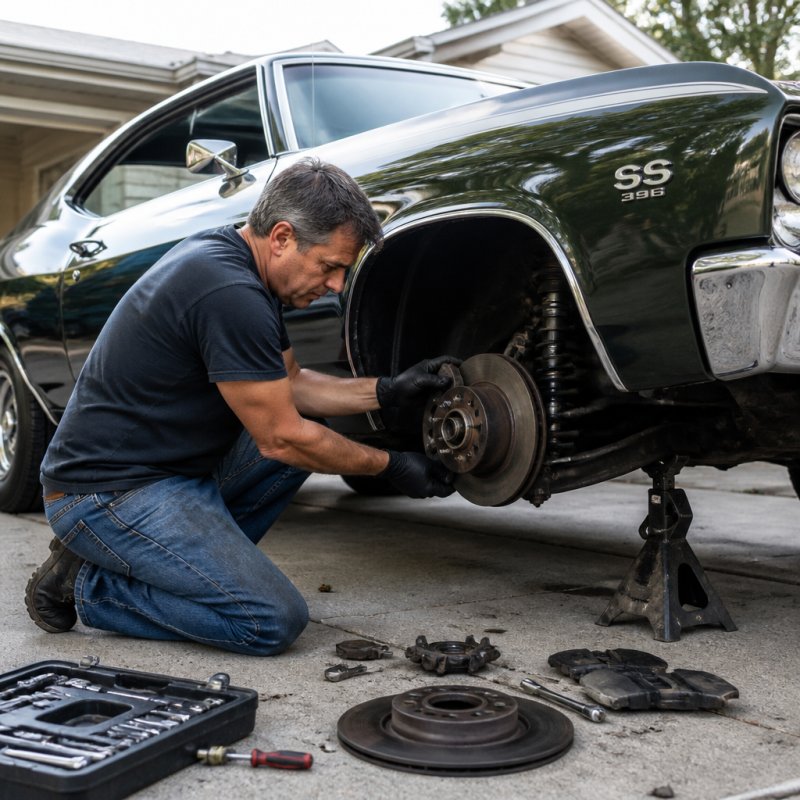
Starting with do-it-yourself repairs, many car owners find satisfaction in handling simple tasks on their own. Changing oil, swapping out filters, or replacing a dead battery are common jobs that don’t require specialized tools or extensive knowledge. For these routine maintenance tasks, doing it yourself can be quick, affordable, and even empowering. Plus, it helps you get familiar with your vehicle, making you more confident about future repairs. However, not all repairs are straightforward. When problems become more complex—like fixing electrical issues, working with engine components, or handling safety-critical systems—DIY attempts can backfire, leading to mistakes that might cost more to fix later.
Mobile mechanics offer a convenient middle ground. They come directly to your location—whether it’s your driveway, parking lot, or workplace—and handle many common repairs on the spot. For busy professionals or anyone pressed for time, this service can save the hassle of towing or waiting in a shop. Mobile mechanics are typically well-equipped to handle routine tasks like brake repairs, battery replacements, or diagnostics. Their ability to bring expertise to your doorstep makes them a popular choice for quick fixes. Still, their capabilities are limited by the tools and parts they can carry, making them unsuitable for more involved repairs that require lifts, specialized equipment, or extensive diagnostics.
For anything more complex or safety-sensitive, traditional repair shops and dealerships remain the best option. These facilities boast a full range of tools, including lifts, alignment racks, and advanced diagnostic scanners. Their technicians often have specialized training in particular makes and models, ensuring that repairs are done accurately and efficiently. While this choice can be more expensive and involve longer wait times, it provides peace of mind—especially when dealing with engine overhauls, transmission work, or electronic system repairs. Vehicles in need of warranty-covered repairs or extensive diagnostics are best served by these full-service facilities, where safety and reliability are the top priorities.
Choosing the right approach depends on the problem at hand. Simple, routine maintenance like oil changes or replacing windshield wipers is often manageable on your own or with a mobile mechanic. These small tasks can usually be done quickly with basic tools and a bit of know-how. But for issues involving complex systems or safety-critical parts, trusting a professional garage or dealership is a safer bet. Recognizing where your skills end and the need for expert help begins can prevent costly mistakes, unsafe situations, or further damage to your vehicle.
In the end, the key is to match the repair method to the job. Knowing when to DIY, when to call a mobile mechanic, and when to head to a full-service shop helps you keep your vehicle running smoothly, safely, and cost-effectively. Making these decisions wisely not only saves you money but also extends your car’s lifespan and ensures you’re safe on the road. It’s all about understanding your vehicle’s needs, your own skills, and the resources available—so you can choose the right solution every time.
Experience Top-Quality Auto Repairs with Hirji Auto in Thornhill
Looking for reliable and fast auto services in Thornhill, Ontario? Hirji Auto Repairs, a trusted family business, offers comprehensive maintenance including basic tune-ups, new brakes, brake service, wheel alignment, and more. Our team specializes in installing tranny service to keep your vehicle running smoothly. We also provide new tires and quick turnaround times to get you back on the road swiftly. Visit us at 60 Green Lane, Unit #2, Thornhill, or call 905-886-4404 for expert auto care you can count on!
Applying Repair Knowledge: Real-World Tips and Scenarios
When your car shows signs of trouble, how you respond can make a big difference in both convenience and safety. Small issues like a dead battery, squeaky brakes, or a flat tire are usually straightforward and quick to fix. If you’re comfortable with basic tools and follow clear instructions, you can often handle these repairs yourself or call a mobile mechanic. Doing so saves money and time, and it’s satisfying to resolve simple problems on your own. Early detection and quick fixes can prevent small issues from snowballing into more costly, complicated repairs later on.
As problems become more serious—such as warning lights flickering, strange noises, or difficulty driving—it’s a sign that professional help is needed. A trained mechanic can perform detailed diagnostics that reveal issues hidden beneath the surface. Trying to fix complex problems without proper expertise or equipment can lead to incomplete repairs, safety hazards, or even further damage. Recognizing when a repair exceeds your skill set is crucial; it helps you avoid costly mistakes and keeps you safe on the road.
A related discussion appears in Smart Repair Choices for Safe and Cost-Effective Car Maintenance, written by Chris Stewart for Euler's Mathematical Constant – e.
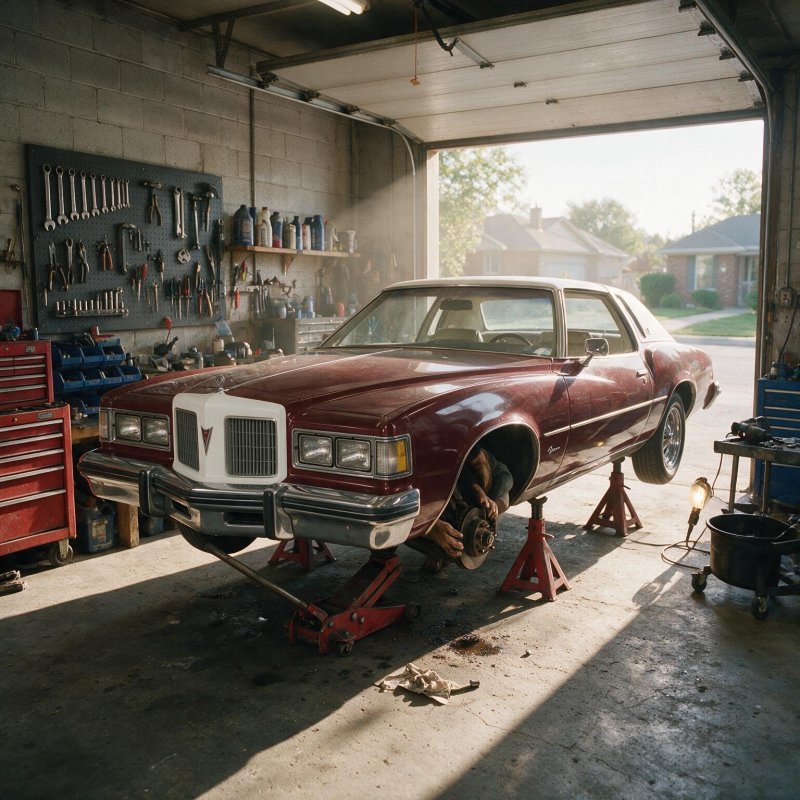
Matching the repair to your skills and tools is essential. If you enjoy working on cars and have a basic toolkit, tasks like replacing filters, spark plugs, or brake pads are often manageable. Watching tutorials and reading manuals can boost your confidence and ensure you do it correctly. However, repairs involving electrical systems, engine components, or safety-critical parts should be left to professionals. Attempting advanced repairs without proper knowledge or safety precautions can turn a simple fix into a dangerous mistake.
Consider your schedule and convenience as well. Mobile mechanics are a practical solution for routine repairs like battery replacements, brake servicing, or diagnostics. They come directly to your location, saving you the hassle of towing or waiting in a shop. This service is especially useful if your time is limited or if you prefer to stay out of busy repair centers. But keep in mind that their abilities are limited; heavy repairs such as engine rebuilds or transmission work require more specialized equipment and facilities that only a full-service shop can provide.
For more complex or safety-critical issues, professional garages and dealerships are the safest bet. They are equipped with lifts, advanced diagnostic tools, and technicians trained specifically for your vehicle’s make and model. While the costs are higher and scheduling might take longer, this route offers peace of mind. Proper repairs done by experts help ensure your vehicle remains safe, reliable, and compliant with warranties. When your car’s health is at stake, trusting the professionals is often the smartest choice.
Applying your repair knowledge effectively means knowing where your limits lie. Small, routine tasks like changing windshield wipers or topping off fluids can often be handled confidently. These simple fixes not only save money but also give you a better understanding of your vehicle’s mechanics. Conversely, attempting complex repairs without the right tools or expertise risks creating more problems and possibly jeopardizing safety. Being honest about what you can handle and when to seek professional help is key to avoiding costly mistakes and ensuring long-term vehicle health.
Ultimately, it’s about finding the right balance. Easy, low-risk repairs are often worth doing yourself or with a mobile mechanic, especially when convenience and cost matter. But when safety or technical complexity come into play, professional service is the wise choice. Recognizing when to step back and hand over the wrench can save you money, time, and peace of mind. Keeping your vehicle in good shape isn’t just about fixing problems—it’s about doing so wisely, safely, and efficiently. Trusting your judgment and knowing when to call in the experts helps keep your car running smoothly and safely for the miles ahead.
Making Smart Choices: Final Tips for Safe and Cost-Effective Vehicle Repairs
Deciding how to handle your car repairs isn’t just about fixing the immediate problem; it’s about choosing a method that balances safety, cost, and your own skills. Small, routine tasks like changing oil or swapping a battery are often straightforward enough to do yourself or with a mobile mechanic. These jobs typically don’t require heavy equipment or advanced knowledge, and handling them yourself can save you money while giving you a better understanding of your vehicle’s mechanics. But knowing where to draw the line is crucial. Attempting complex repairs without the right tools or expertise can lead to mistakes that threaten your safety or cause more damage, ultimately costing more in the long run.
For more involved repairs, trusting a professional garage or dealership remains the safest choice. These facilities come equipped with lifts, diagnostic tools, and technicians trained specifically for your vehicle’s make and model. While their services are more expensive and may take longer to schedule, they offer peace of mind that the job is done correctly and safely. When safety-critical components or complex systems are involved, professional repairs prevent small issues from turning into major safety hazards or costly breakdowns down the road. Investing in proper repairs ensures your vehicle remains reliable and safe for everyday use.
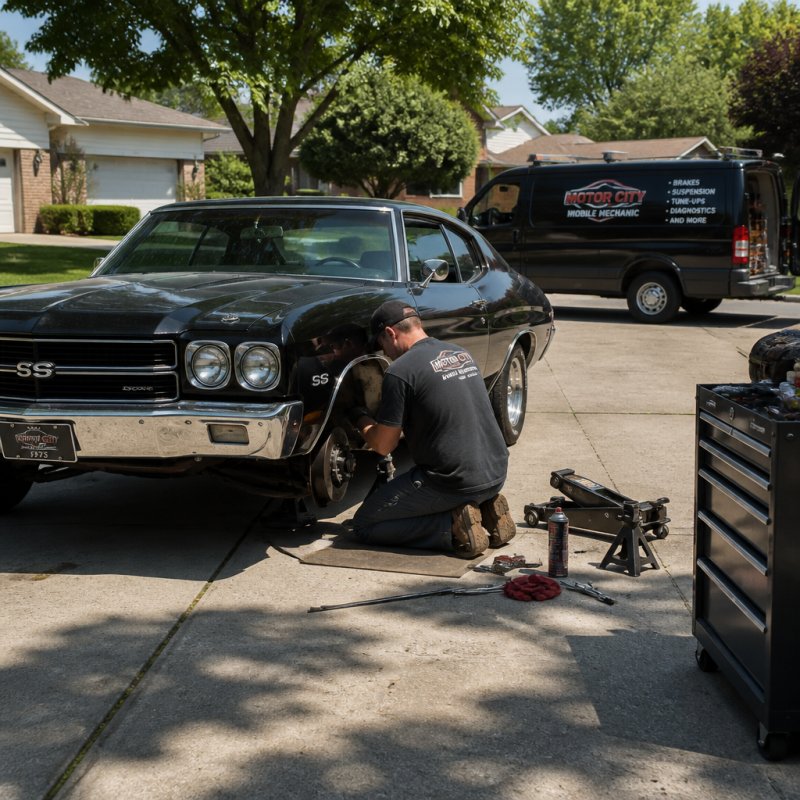
Mobile mechanics serve as a convenient middle ground. They bring their expertise directly to your driveway or parking lot, saving you the hassle of towing or waiting in a shop. This option works well for routine repairs like replacing a dead battery, fixing brakes, or diagnosing minor issues. Their ability to deliver quick, on-site service makes them especially useful for busy schedules or when convenience is a priority. However, they have limitations; heavier repairs that require specialized equipment, such as engine rebuilds or transmission work, are beyond their scope. Recognizing these boundaries helps you decide when a mobile mechanic is appropriate and when a full-service shop is necessary.
Knowing your own skills and resources is key to making smart repair decisions. Simple, low-risk tasks like changing windshield wipers, topping off fluids, or replacing filters can be manageable if you have basic tools and confidence. Watching tutorials or reading manuals can boost your competence, making these repairs quicker and more satisfying. But when repairs involve electrical systems, engine components, or safety-critical parts, it’s best to leave those to professionals. Attempting advanced repairs without proper knowledge or safety precautions can lead to costly mistakes or dangerous situations on the road.
Safety and reliability should always come first. Cutting corners or rushing through repairs increases the risk of accidents, further damage, or voided warranties. Investing in professional, thorough repairs—especially for critical systems—protects you and your passengers. While the initial expense might seem high, the peace of mind that comes with knowing your vehicle is properly fixed outweighs the savings from a quick DIY fix. Proper repairs help extend your vehicle’s lifespan and keep it running smoothly, reducing the likelihood of unexpected breakdowns.
Being honest about your limits and knowing when to call in experts is essential. Small, routine maintenance is often worth handling yourself or with a mobile mechanic, especially when convenience and cost savings matter. But for anything involving safety-critical systems or complex electronics, professional service is the safer, smarter choice. Recognizing these boundaries helps you avoid costly mistakes, unsafe situations, and future breakdowns, ensuring your vehicle remains dependable and safe over the long haul.
The key is to evaluate each repair on its own merits—considering the complexity, safety implications, your skill level, and available resources. Sometimes, paying a little more for a professional service makes more sense, especially for complex or safety-sensitive issues. Other times, a simple DIY fix can save money and provide a sense of accomplishment. Making these decisions carefully helps you keep your car in top shape, avoiding unnecessary stress and expense. It’s about choosing the right approach for each situation, so your vehicle remains a reliable, safe partner on the road for years to come.