In an era where effective communication is the backbone of business success, customized telephony solutions are transforming how organizations connect, collaborate, and grow. Grandstream’s scalable IP phones and cloud management tools offer a future-proof pathway to tailored systems that streamline operations and elevate customer experiences. But are you truly harnessing the full potential of these cutting-edge devices? As businesses expand and diversify, the strategic deployment of features like intelligent call routing, auto-attendants, and remote management becomes critical—yet many overlook the profound impact of seamless integration and network optimization. From real-world case studies demonstrating measurable improvements to evolving innovations like AI-driven features and cloud-based management, this content teases a future where communication infrastructure is no longer static but adaptable, secure, and intelligent. Will your organization stay ahead in the digital communication revolution, or risk falling behind in a competitive landscape that demands agility and precision?
Elevate Your Business Communication with FiberConX’s Advanced VoIP Solutions
Experience seamless communication with FiberConX Communications, a leading provider of VoIP business and residential phone services in Canada. Our solutions feature cutting-edge functionalities like voicemail, IVR, Ring Groups, and voicemail-to-mail, ensuring your team stays connected and productive. For enhanced hardware compatibility, explore our Grandstream IP Phones, designed to integrate effortlessly with our VoIP systems. Whether you need reliable office lines or residential services, FiberConX delivers tailored communication solutions that meet your needs. Contact us today at 1.800.961.6856 or [email protected] to learn more about upgrading your communication infrastructure.
Transform Your Business Communication with Customized Telephony Solutions
In today’s fast-moving business environment, effective communication is more than just a convenience—it’s a vital component of success. As companies grow and diversify, their communication needs often outpace standard phone systems, creating gaps that can hinder productivity and customer satisfaction. Customized telephony solutions step in to bridge these gaps, offering tailored features that align perfectly with a business’s specific workflows and strategic goals. This personalized approach ensures every call, transfer, and message integrates smoothly into daily operations, boosting efficiency and reducing frustration.
Building a communication system that truly fits your organization begins with understanding your current setup and future ambitions. Analyzing your existing infrastructure helps identify bottlenecks and opportunities for improvement. From there, selecting the right devices—such as Grandstream’s scalable IP phones—becomes a strategic move. These devices support seamless integration, allowing you to craft a flexible, future-proof network that can adapt as your business evolves.
The advantages of customized telephony go beyond hardware. They include advanced features like intelligent call routing, auto-attendants, and voicemail management—each configured to match your unique operational needs. Cloud management platforms, like Grandstream’s GDMS, simplify oversight by enabling remote configuration and monitoring of multiple devices across various locations. This centralized control accelerates deployment, simplifies maintenance, and ensures your system remains reliable and up-to-date.
Scalability is a core benefit of tailored solutions. As your organization expands, adding new users or locations becomes straightforward, often without disruption. You can deploy compatible devices and adjust settings remotely, preventing costly downtime and maintaining consistent communication quality. This adaptability makes your telephony infrastructure a true strategic asset, capable of supporting growth without the need for frequent overhauls.
Integrating these systems effectively requires thoughtful planning of your network infrastructure. Upgrading routers and switches to prioritize voice traffic ensures high-quality calls, even during peak hours. This technical layer is essential for maintaining clear, professional conversations and supporting demanding environments like contact centers or busy offices. Proper configuration guarantees your system’s performance and reliability, directly impacting customer experience and internal workflows.
Customization also extends to user training and support. Providing staff with clear guidance and hands-on tutorials maximizes the value of your investment. When employees understand how to use new features and devices confidently, communication becomes more responsive and efficient. This proactive approach reduces errors and enhances overall productivity, making your telephony system a true enabler of business success.
Finally, ongoing review and optimization keep your system aligned with evolving needs. Regular feedback from users and performance monitoring help identify areas for improvement. Staying engaged with your telephony setup allows for incremental upgrades, ensuring your communication infrastructure remains resilient, scalable, and capable of supporting your long-term growth. Tailored solutions are not just about technology—they’re about transforming how your business communicates for today and tomorrow.
Grandstream IP Phones: Versatile Devices for Every Business Need
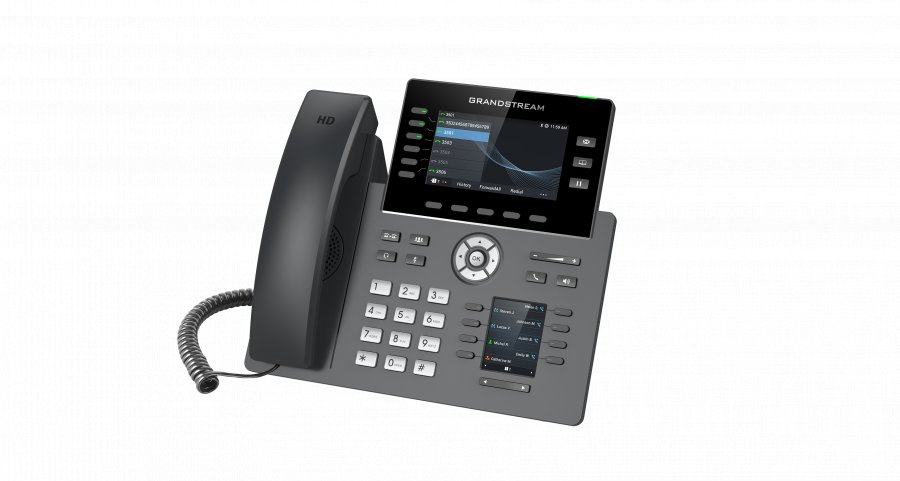
Grandstream’s range of IP phones and devices stands out for their versatility, reliability, and ease of deployment, making them an excellent choice for businesses seeking tailored communication solutions. Whether you’re outfitting a small office, a multi-site enterprise, or a high-volume call center, their portfolio offers options to meet every need. The flagship GRP series, in particular, supports large-scale deployment with its carrier-grade design and straightforward remote provisioning capabilities. This scalability simplifies management and reduces the overhead of deployment across multiple locations.
From basic models designed for everyday use to advanced phones equipped with high-definition audio, programmable keys, and customizable interfaces, Grandstream covers the spectrum of user requirements. The devices’ high audio quality ensures clear conversations, which helps prevent misunderstandings and enhances overall professionalism. Additionally, their ergonomic designs prioritize user comfort, making them suitable for extended use without fatigue.
One of the key strengths of Grandstream’s devices is their seamless integration with cloud management platforms like GDMS. This centralized system allows IT teams to configure, monitor, and update hundreds or thousands of phones remotely. This level of control accelerates deployment, simplifies ongoing maintenance, and reduces the need for on-site support—particularly valuable for organizations with dispersed teams or multiple branches.
Designed with future growth in mind, these phones support a broad range of network protocols and high traffic volumes. This ensures that they can handle demanding environments such as contact centers or busy offices without sacrificing call quality. Built-in Quality of Service (QoS) features prioritize voice traffic, minimizing latency and packet loss to keep every call crisp and professional.
Durability and ergonomic considerations are also integral to Grandstream’s device design. These phones are built to withstand daily use in high-traffic areas, with features like reinforced casings and comfortable key layouts. Accessories such as expansion modules and headsets further expand their functionality, allowing customization based on specific roles and environments.
Compatibility with other communication and management tools enhances the value of Grandstream devices. Their interoperability with cloud platforms and third-party systems enables a unified communication experience, simplifying workflows and improving responsiveness. This adaptability makes them suitable for a wide range of business scenarios, from small teams to large enterprises.
In short, Grandstream’s IP phones and devices provide a reliable, scalable, and easy-to-manage foundation for any tailored telephony system. Their focus on quality, flexibility, and future-proof features ensures organizations can build a communication infrastructure that grows with them. Whether deploying a handful of phones or thousands, these devices support seamless, high-quality interactions that elevate business communication to new levels.

Designing and Deploying Tailored Telephony Systems for Growth
Designing a customized telephony system starts with a clear understanding of your organization’s unique communication needs. Begin by assessing your current infrastructure—how many users, locations, and network capabilities are in place. This evaluation reveals gaps and opportunities, ensuring your new system integrates smoothly and supports future growth. Choosing the right devices, like Grandstream’s scalable IP phones, is crucial; select models tailored to user roles and anticipated call volumes to build an efficient, adaptable network.
Next, focus on how these devices will connect and function within your existing network. Proper configuration of call routing, voicemail, auto-attendants, and other features helps streamline call flow and enhances overall efficiency. Cloud management platforms such as Grandstream’s GDMS simplify this process by enabling remote setup, monitoring, and updates across multiple sites, speeding deployment and easing ongoing maintenance.
Planning for scalability should be a core aspect of your design. A modular system allows you to add new users, devices, or locations without disrupting operations. Ensuring compatibility with future upgrades safeguards your investment, enabling seamless expansion and avoiding costly overhauls as your business evolves. This flexibility is essential for maintaining reliable communication channels amid growth.
Configuring your network infrastructure is equally vital. Upgrading switches and routers to prioritize voice traffic through Quality of Service (QoS) settings minimizes latency and packet loss, ensuring every call remains clear and professional. This technical layer supports demanding environments like contact centers and high-traffic offices, directly impacting customer experience and internal workflows.
Training staff on new devices and features maximizes your investment’s value. Providing clear documentation and hands-on tutorials fosters confidence and competence, reducing errors and increasing responsiveness. When employees understand how to utilize the system effectively, communication becomes more fluid, supporting better collaboration and service delivery.
Ongoing review and optimization keep your telephony system aligned with evolving needs. Gathering user feedback and monitoring performance help identify areas for improvement. Regular adjustments and incremental upgrades ensure your infrastructure remains resilient, scalable, and capable of supporting long-term growth.
By integrating thorough assessment, strategic device selection, thoughtful configuration, and continuous refinement, you create a tailored telephony solution that elevates internal coordination and enhances customer interactions. This proactive approach transforms communication from a basic utility into a strategic asset, driving efficiency and supporting your organization’s success.
Real-World Success Stories: How Custom Telephony Elevates Operations
Implementing customized telephony solutions can truly transform everyday business operations, as real-world examples demonstrate. A mid-sized law firm, for instance, adopted Grandstream’s scalable IP phones combined with cloud management tools. This upgrade streamlined communication across multiple offices, drastically reducing call handling times and ensuring clients received quicker responses. Staff no longer faced delays or miscommunications when transferring calls or accessing voicemails, making workflows more efficient and professional.
In the retail sector, a chain of stores tailored their telephony system to support different departments with specific call routing. Auto-attendants and queue management helped handle high call volumes during busy hours, reducing wait times and increasing customer satisfaction. Employees across locations could connect seamlessly, share updated contact information, and respond faster to inquiries, creating a smoother shopping experience and more synchronized operations.
Healthcare providers also see significant benefits, with many deploying secure, compliant communication channels tailored to their needs. A regional health network, for example, improved staff coordination by enabling instant communication across facilities. Doctors, nurses, and administrative staff could share critical patient information without delays, speeding up response times and enhancing patient care. This level of customized communication not only boosts efficiency but also maintains strict confidentiality.
Some organizations take integration further by linking their telephony system with customer relationship management (CRM) platforms. A legal services firm, for example, connected their Grandstream IP phones to their CRM, allowing staff to access client histories during calls. This seamless flow of information enabled more personalized service, faster case handling, and fewer errors, ultimately strengthening client trust and supporting growth.
These examples highlight how tailored telephony isn’t just about hardware upgrades—it’s a strategic advantage. By selecting the right devices, configuring features to match workflows, and leveraging management tools, organizations unlock new levels of responsiveness and efficiency. Whether in legal practices, retail, healthcare, or other sectors, customized systems turn communication into a powerful tool for better service and internal collaboration.
The impact extends beyond initial deployment. Businesses that continuously refine their systems based on user feedback and performance monitoring can adapt quickly to changing needs. This proactive approach ensures that communication infrastructure remains resilient, scalable, and aligned with long-term goals. The result is a more agile, effective operation that leverages technology to support growth and competitive advantage.
In essence, these case studies show how personalized telephony solutions address real operational challenges. They transform routine communication into a strategic asset, fostering smoother workflows, improved customer experiences, and stronger internal coordination. For organizations ready to rethink their approach, the evidence is clear: tailored telephony solutions deliver measurable, lasting improvements that help them stay ahead in a connected world.

Future Trends: Cloud Management, AI, and Scalable Device Deployment
The future of business communication is increasingly driven by cloud-managed telephony, offering organizations unparalleled flexibility and control. Platforms like Grandstream’s GDMS are transforming how companies oversee their entire telephony infrastructure, enabling remote configuration, real-time monitoring, and swift troubleshooting across multiple locations. This shift reduces operational costs and enhances agility, allowing businesses to adapt quickly to changing demands—whether deploying new devices, updating features, or scaling their networks. As cloud management becomes more widespread, organizations will enjoy a more resilient and scalable communication foundation that keeps pace with growth and innovation.
Mass deployment device management is another trend reshaping the landscape. Modern telephony solutions support pre-configuring large fleets of IP phones and endpoints, which significantly cuts setup time and minimizes errors. This capability is especially valuable for organizations with dispersed teams or rapid expansion plans, as it streamlines rollout processes and ensures uniformity across all sites. Centralized control panels permit IT teams to push updates, adjust configurations, and troubleshoot remotely, making ongoing maintenance more efficient and less disruptive. The ability to manage thousands of devices from a single interface creates a future-proof framework that supports seamless scalability and operational efficiency.
Alongside these management advancements, smarter and more secure systems are emerging. Artificial intelligence integration is beginning to influence telephony, introducing features like voice recognition, automated call handling, and predictive analytics that learn from user interactions. Security enhancements include advanced encryption, threat detection, and multi-factor authentication, safeguarding sensitive information while maintaining system integrity. These innovations will make communication not only more intelligent and responsive but also more resilient against cyber threats, ensuring your systems remain trustworthy and dependable.
Integration with other business tools is set to deepen, creating a more unified digital environment. Future solutions will seamlessly connect telephony platforms with customer relationship management (CRM), enterprise resource planning (ERP), and collaboration tools. This interconnected approach enables features like automatic caller ID with client data, real-time analytics, and context-aware workflows that enhance responsiveness and decision-making. As these systems become more integrated, telephony will evolve from a standalone utility into a vital component of broader digital strategies, supporting smarter, faster, and more personalized business interactions.
By embracing these trends—cloud management, scalable device deployment, AI-driven features, and integrated platforms—organizations can build communication infrastructures that are not only future-ready but also adaptable and secure. These innovations will simplify management, boost productivity, and enhance customer experiences, ensuring that your business stays ahead in an increasingly connected world. Staying at the forefront of telephony technology means transforming everyday communication into a strategic advantage that fuels growth and resilience for years to come.