Underground street racing pulses with rebellion, camaraderie, and adrenaline, forging bonds that run deeper than speed itself. These clandestine races, held in shadowy urban spots, attract diverse enthusiasts united by loyalty and a shared love of the craft. Born from a desire for freedom and defiance, the scene has evolved through decades, fueled by media and technological innovation, yet remains fiercely independent. Racers craft their vehicles as expressions of identity—custom paint, high-tech mods—while their crews become like families, built on trust, secrecy, and unwavering support. Despite mounting law enforcement crackdowns and restrictions, adaptability and resilience keep the spirit alive—organizing covert events and leveraging digital tools. More than just fast cars, underground racing embodies a culture of resistance, craftsmanship, and unbreakable brotherhood. As long as roads call and bonds endure, this vibrant community continues to thrive in the shadows, raising the question: what truly binds the racers beyond the thrill of speed?
Beneath the City Lights: The Underground Street Racing Culture
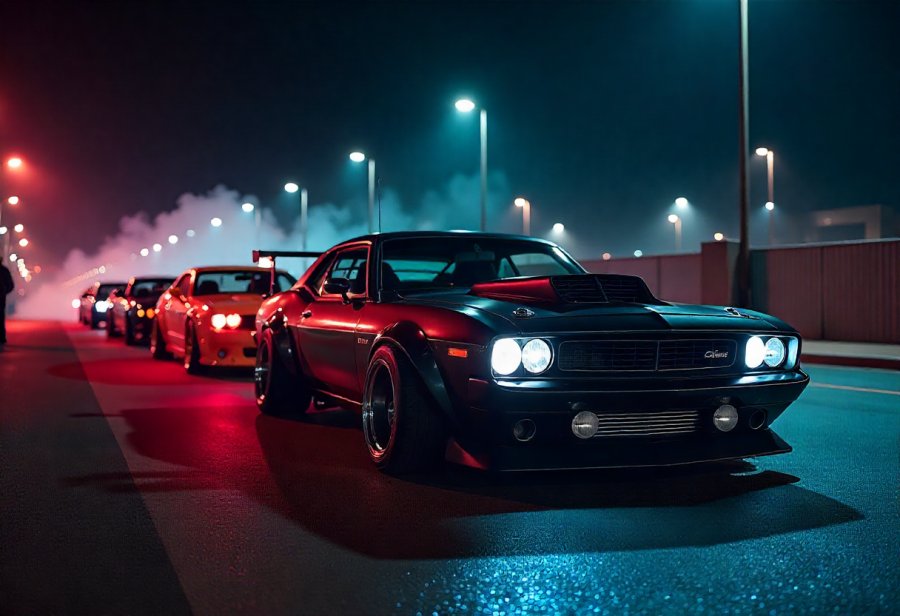
Underground street racing buzzes quietly below the surface of city life, driven by a mix of adrenaline, defiance, and a desire to break free from the ordinary. It’s not about polished tracks or sanctioned events; instead, it thrives in hidden spots—abandoned lots, quiet industrial zones, or shadowy back alleys—where racers gather late at night when the city’s watchful eyes are elsewhere. The scene appeals to a diverse crowd: young thrill-seekers eager for excitement, skilled modifiers proud of their craftsmanship, and those seeking a sense of belonging beyond the confines of everyday life.
This culture has deep roots, born from a desire for freedom and rebellion. In its early days, makeshift races on empty streets reflected a need to challenge authority and showcase technical skill outside the rules. Over time, local crews formed their own unspoken codes, creating traditions that emphasized loyalty, trust, and shared passion. Despite growing attention from media and law enforcement, the scene remained fiercely independent, constantly adapting to stay underground.
The influence of movies like *The Fast and the Furious* helped elevate street racing from a fringe activity to a global phenomenon. Online forums, social media, and car magazines enabled enthusiasts worldwide to share modifications, race clips, and stories, building a digital community that transcended borders. This connectivity fueled innovation and competition, inspiring a new wave of racers eager to push limits—technologically and creatively—while holding onto the rebellious spirit that started it all.
Today’s underground racing scene continues to evolve amid mounting legal pressure. Racers organize more discreet events, using encrypted apps and private online groups to coordinate. Modern cars feature digital dashboards, performance software, and eye-catching mods, making each vehicle a statement of identity and skill. Locations are carefully chosen—industrial zones, underground garages, or quiet residential streets—to avoid detection, keeping the thrill alive despite increasing risks.
At its core, underground street racing is about more than speed; it’s about community and loyalty. Bonds formed through late-night tuning sessions, shared secrets, and risky runs run deep. Crews act as families, supporting each other through setbacks and celebrating victories—both on and off the track. These relationships transform fleeting races into lifelong connections, built on trust, respect, and a shared passion for the sport.
In the shadows of the city, this culture persists because it’s rooted in resilience and the need for self-expression. It’s a space where urban youth carve out their identities, challenge norms, and create a brotherhood that endures despite external pressures. Underground street racing remains a vivid reminder that even in secrecy, the drive for connection and the love of speed can ignite a community that refuses to fade away.
From Rebellion to Icon: The Roots and Evolution of Street Racing
Street racing’s roots stretch back to the post-World War II era, when young car enthusiasts in cities began seeking new ways to challenge their machines outside the confines of official racetracks. In those early days, races often unfolded on quiet streets, abandoned lots, or industrial zones—places where speed and skill could be tested away from prying eyes. These gatherings weren’t organized events but spontaneous battles among friends or local crews, fueled by a shared desire to push limits and stand out. For many, it was less about racing and more about carving out an identity rooted in rebellion and technical mastery.
As the scene grew, so did the sense of community and tradition. Urban neighborhoods became hotspots for clandestine races, with crews developing their own unspoken rules and customs. Law enforcement viewed these activities as nuisances, yet participants saw them as a form of pride—an expression of independence and craftsmanship. This culture of defiance and innovation laid the groundwork for what would become a global underground movement, each local scene adding its own flavor and stories to the mix.
The late 1990s and early 2000s marked a tipping point, driven by media like the *Fast and Furious* franchise. These films romanticized street racing, transforming it from a fringe activity into a worldwide phenomenon. Online forums, social media, and car magazines became hubs where enthusiasts shared modifications, race footage, and stories, creating a digital community that crossed borders. This connectivity fueled technological innovation and fierce competition, as racers pushed the envelope in both style and performance, all while holding onto the rebellious spirit that started it all.
Despite increasing crackdowns from authorities, street racing proved remarkably adaptable. Racers now organize more discreet events, relying on encrypted messaging and private online groups to coordinate. Modern cars are packed with high-tech upgrades—digital dashboards, performance software, and striking aesthetic mods—that keep the scene fresh and exciting. By choosing secluded locations like industrial zones or underground garages, racers continue to evade detection, keeping the adrenaline alive beneath the radar.
Throughout its evolution, street racing has remained a powerful expression of resilience and identity. It’s a culture built on loyalty, risk-taking, and innovation—values that resonate deeply with those who participate. The scene’s history is one of constant adaptation, driven by a collective desire to challenge norms and forge connections through speed, style, and brotherhood. Even amid mounting restrictions, the spirit of underground racing persists, constantly evolving but never losing its core essence.
Speed in Shadows: Navigating Today’s Underground Racing Scene
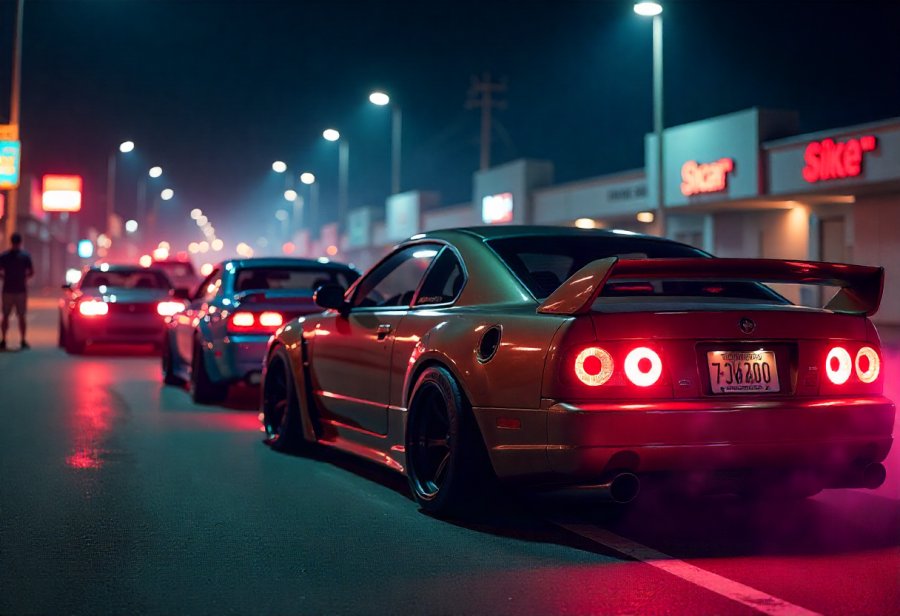
Today’s underground street racing scene is more complex and adaptive than ever, shaped by a mix of increasing legal pressure and rapid technological innovation. Law enforcement agencies have stepped up their efforts, deploying surveillance cameras, undercover officers, and tougher penalties to crack down on illegal races. This has pushed racers to organize more discreetly, relying on encrypted messaging apps and private online groups to coordinate events and share safe routes. The danger of detection has only heightened the stakes, making each race feel more clandestine and adrenaline-fueled.
Meanwhile, advances in car technology continue to push the boundaries of what’s possible on the streets. Modern racers tune their vehicles with digital dashboards, high-performance software, and eye-catching aesthetic mods. Smartphones and specialized apps help organize races quietly, enabling the community to stay connected despite external pressures. This digital backbone fuels ongoing innovation, allowing racers to share footage, swap tricks, and compete across borders—keeping the scene lively and competitive.
The types of races themselves have evolved beyond simple drag matches. While short sprints down narrow streets remain popular, more organized circuit-style events are emerging in abandoned lots and urban loops. Racers often choose locations like industrial zones or underground garages to stay under the radar, turning everyday spaces into secret battlegrounds. Each new venue offers fresh opportunities for creativity and competition, ensuring the scene remains unpredictable and exciting.
Younger generations are blending street racing with digital culture, emphasizing style alongside speed. Eye-catching paint jobs, custom body kits, and high-tech upgrades serve as symbols of identity and loyalty within crews. This mix of aesthetics and performance reflects a broader shift: street racing isn’t just about raw power anymore, but about expressing personality and craftsmanship. The scene’s evolution keeps it relevant, drawing in newcomers eager to make their mark.
Despite mounting restrictions, the community’s resilience shines through. Racers rely on encrypted channels and clandestine meetups to stay connected, constantly developing new strategies to evade law enforcement. This ongoing game of cat and mouse only fuels the rebellious spirit that defines underground racing. The ability to adapt—using innovative tech, secret routes, and discreet gatherings—ensures the scene’s survival and vitality in an increasingly monitored environment.
Cars have become moving canvases for creativity and loyalty. Custom modifications, striking paint jobs, and high-tech upgrades are more than just aesthetic—they’re badges of belonging within crews. These vehicles symbolize trust, skill, and identity, turning each car into a statement of personal and group pride. The artistry involved underscores the scene’s deeper cultural values: community, innovation, and self-expression.
While challenges persist, underground street racing remains a powerful expression of resilience and rebellion. It continues to evolve, blending tradition with new technologies and cultural influences. The core values of loyalty, brotherhood, and defiance keep the scene alive, proving that even in shadows, the love of speed and camaraderie can thrive. As long as there are roads to race on and bonds to forge, the spirit of underground racing will endure.
Loyalty on the Streets: Brotherhood and Bonds in Racing Crews
In underground street racing, the bonds between racers go far beyond the thrill of the race. These crews are like families, forged through shared risks, late-night tuning sessions, and countless close calls. Trust becomes the foundation that holds everything together—knowing that your teammates will have your back when the pressure is on or when law enforcement is closing in. Over time, these relationships deepen, transforming fleeting moments on the street into lifelong connections rooted in loyalty and mutual respect.
Support within these crews isn’t just about the races; it’s about safeguarding each other from the dangers that come with illegal racing. Secrets about safe routes, reliable meeting spots, and tuning tricks are guarded fiercely. Sharing this knowledge outside the crew risks more than just a penalty—it can threaten everyone’s safety. This shared confidentiality cultivates a culture of trust, turning the crew into a protected space where loyalty is everything.
As nights turn into weeks, these bonds grow stronger through shared victories and narrow escapes. Celebrating a hard-fought win or helping a teammate fix a damaged car late into the night reinforces a sense of brotherhood that’s hard to find elsewhere. Every successful run, every secret kept, and every risk taken together adds another layer to their collective identity. It’s not just about speed; it’s about belonging to something bigger than oneself.
Respect and integrity define the reputation within these crews. Loyalty is earned through actions—standing by each other in moments of danger, sharing knowledge, and supporting one another’s growth. A racer who keeps crew secrets and offers help during setbacks gains a reputation that extends beyond individual achievements. This loyalty isn’t superficial; it’s the glue that sustains the scene amid external pressures and legal threats.
Unspoken rules govern these relationships, emphasizing mutual support and confidentiality. Disclosing a tuning method or a safe route outside the crew is seen as betrayal, risking the trust that cements their bonds. This culture of discretion fosters an environment where members feel valued and secure, allowing their relationships to flourish in secrecy. It’s a community built on shared codes that transcend mere competition.
For many, the crew becomes more than just a team—it’s a family that endures through risks, setbacks, and the constant threat of law enforcement. The long nights, the whispered secrets, and the collective adrenaline forge relationships that last a lifetime. These deep bonds, rooted in loyalty and shared experience, keep the spirit of underground racing alive, even as external pressures loom.
At its core, underground street racing is driven by a sense of kinship that’s hard to find elsewhere. Beyond the cars and the speed, it’s about creating a community where trust, loyalty, and brotherhood form the heart of everything. These connections turn fleeting moments into lifelong memories, making street racing more than just a sport—it’s a shared way of life built on unbreakable bonds.
Beyond the Finish Line: The Enduring Spirit and Cultural Significance of Underground Racing
Underground street racing is more than just a pursuit of speed; it’s a vivid reflection of resilience, community, and identity within urban environments. Its enduring appeal lies in the raw adrenaline of pushing limits combined with the deep bonds forged among racers and their crews. These relationships go beyond fleeting moments on the street—they are built on trust, loyalty, and shared experiences that create a sense of belonging that can last a lifetime.
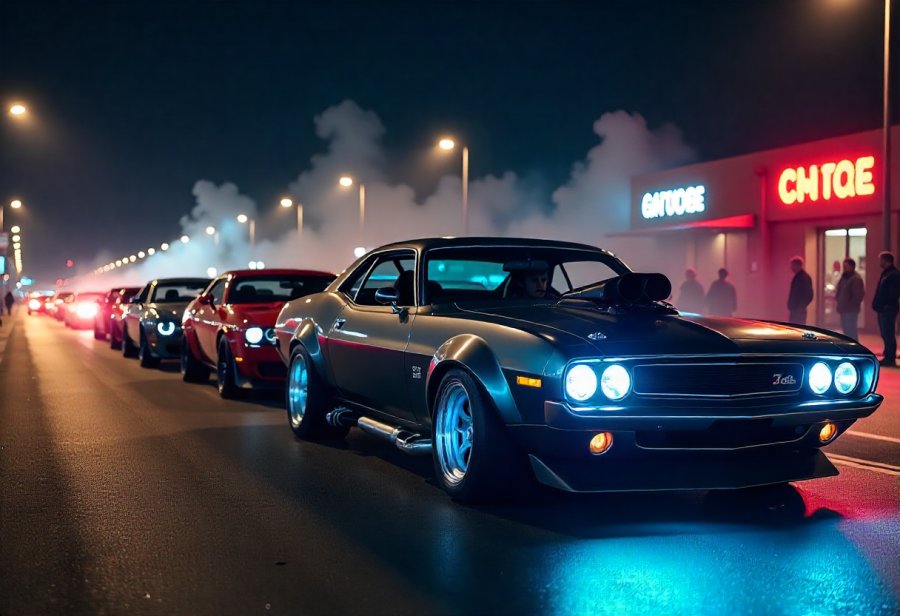
This culture embodies rebellion and defiance, offering a space where young people carve out their identities amid neighborhoods that often feel overlooked or marginalized. The scene becomes a form of resistance, a way to express pride, skill, and independence through their cars and their community. Beneath the roar of engines and the flicker of headlights, there’s a shared understanding that loyalty and brotherhood are what truly hold the scene together.
Despite increasing legal restrictions and law enforcement efforts, the spirit of underground racing persists. Racers organize more covert events, utilizing encrypted channels and social media to stay connected. They incorporate advanced technology—digital dashboards, performance software, and aesthetic mods—that keep the scene innovative and exciting. This adaptability demonstrates how deeply rooted the culture is, thriving underground even as external pressures mount.
The vehicles themselves serve as symbols of identity and loyalty. Custom modifications, eye-catching paint jobs, and high-tech upgrades are more than aesthetic choices—they’re badges of belonging within crews. These cars are moving canvases that reflect each driver’s style, dedication, and trust shared among friends. They embody the artistry and camaraderie that define the scene’s core values, turning speed into self-expression.
Loyalty and unspoken rules form the backbone of this community. Secrets about tuning tricks, safe routes, and meeting spots are fiercely guarded, fostering an environment of mutual respect and confidentiality. This trust creates a protected space where members feel valued and supported, transforming fleeting races into lifelong bonds rooted in shared risks and passions.
At its heart, underground street racing is about more than just the thrill of speed. It’s a testament to how communities adapt, survive, and thrive amid challenges. The scene’s resilience and evolving technologies ensure it remains a powerful symbol of urban rebellion and human connection. As long as roads beckon and bonds endure, the spirit of underground racing will continue to burn brightly, inspiring new generations to chase their own limits and forge lasting brotherhoods in the shadows.