Mastering calm walks with your dog transforms everyday outings into powerful moments of trust, communication, and mutual respect. But how can something as simple as a walk become so impactful? This guide reveals that teaching your dog to walk politely at your side isn’t just about manners—it’s about building confidence and reducing stress in a variety of environments. From foundational techniques like positive reinforcement and clear commands to managing distractions and unexpected obstacles, every step emphasizes patience and consistency. Real-world examples highlight how gradual exposure and steady routines turn reactive or excitable dogs into calm, focused companions. With thoughtful resource management and strategic planning, even challenging scenarios become opportunities for growth. Are you ready to turn routine walks into shared rituals of connection, peace, and joy? This journey toward relaxed, enjoyable outings promises to strengthen your bond and create a more harmonious life with your furry friend.
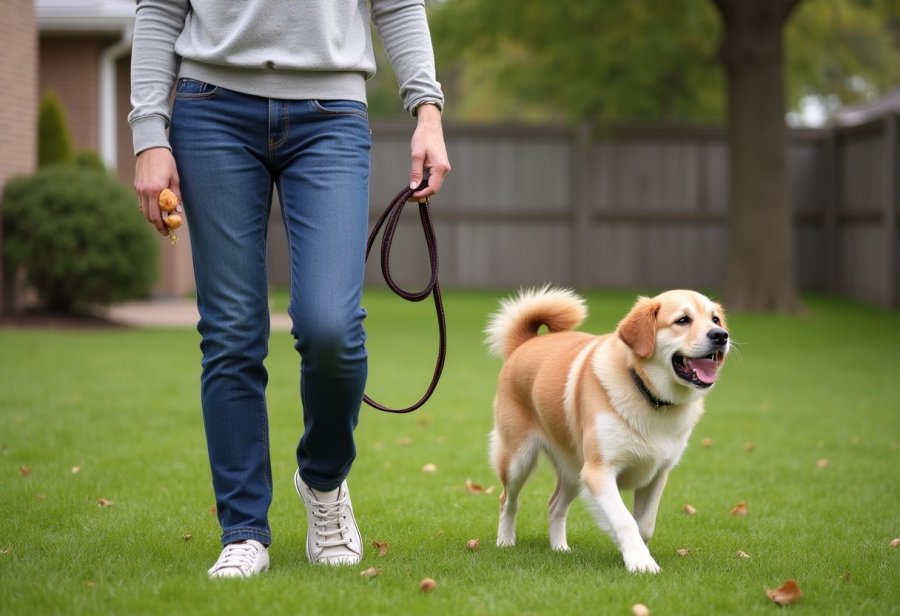
Embark on a Journey to Calm Dog Walking: Building Trust and Enjoyment
Walking calmly with your dog might seem simple, but it’s one of the most valuable routines you can develop together. A peaceful walk isn’t just about avoiding pulling; it’s about fostering trust and respect between you and your dog. When your dog walks at your side without tension or distraction, outings become safer, more enjoyable, and less stressful for both of you. This calmness also helps reduce common behavioral issues like lunging or pulling, laying a foundation for a stronger bond.
A relaxed walk plays a crucial role in your dog’s safety. When they stay focused and calm, navigating busy streets or crowded parks becomes easier and safer. These moments of calm also boost your dog’s confidence, turning walks from overwhelming challenges into positive experiences. Achieving this harmony takes patience and consistency, but the rewards—trust, communication, and mutual enjoyment—are well worth the effort.
Teaching your dog to walk calmly isn’t just about manners—it’s about clear communication. When they learn to walk without pulling, they understand what’s expected and feel more secure in their environment. Every step becomes an opportunity to connect and reinforce your relationship, transforming routine outings into shared rituals of trust.
This guide offers practical tips and techniques to help your dog develop that steady, confident rhythm. From establishing clear commands to managing distractions, your goal is to turn walks into peaceful, bonding experiences. With patience, positive reinforcement, and steady practice, you’ll find that calm walks become a natural, enjoyable part of your daily life.
Master the Fundamentals of Leash Training: Creating a Foundation for Calmness
Understanding the basics of dog walking is key to building a calm and enjoyable routine. Core terms like “heel,” which means walking closely at your side, “loose leash,” indicating a relaxed connection, and “positive reinforcement,” using treats or praise to encourage good behavior, form the foundation of effective leash training. Knowing these words creates a shared language that helps you and your dog communicate clearly and predictably, making training smoother.
Training has shifted from harsh corrections to reward-based methods. Today, positive reinforcement—rewarding calm and focused behavior—encourages dogs to repeat good habits naturally. This approach builds trust and makes each training session more enjoyable, reducing stress and fear that punishment can cause. Gentle techniques like clicker training and praise strengthen your bond and promote a positive learning environment.
Environmental factors like busy streets, loud noises, and distractions demand your awareness. Recognizing these influences allows you to adapt gradually—starting in quiet areas, then slowly introducing more stimuli. Patience is vital since building your dog’s confidence and focus takes time. Consistent routines and commands help your dog understand what’s expected, making calm walking a predictable, pleasant experience.
Reinforcing good behavior with treats or praise is essential. Using rewards consistently helps your dog associate calm walking with positive outcomes, encouraging the habits you want. This steady method reduces anxiety and confusion, making your dog feel secure and eager to learn. The more positive and predictable your training, the faster your dog will develop a calm, focused demeanor.
Modern training emphasizes humane, reward-based techniques over punishment. Gentle methods like clicker training and praise create a trusting environment that encourages natural good habits. Harsh corrections can damage trust and lead to reactive behaviors, so patience and kindness are your best tools for progress. This foundation of trust makes walking more relaxed and enjoyable for both of you.
Building on these fundamentals sets the stage for more advanced training. Developing a shared language, understanding environmental challenges, and using rewards effectively create a solid base. As you continue, these principles will help guide your dog through increasingly complex situations, turning everyday walks into moments of connection and calmness.
Strategic Approaches to Maintain Serenity During Walks
To keep your dog calm during walks, establishing clear routines and consistent commands is essential. Teaching your dog to respond reliably to cues like “heel” or “let’s go” creates a predictable pattern that encourages focus. Using treats or praise to reward calm behavior reinforces these cues, making it more likely your dog will stay relaxed and attentive. Starting in quiet, low-distraction environments and gradually introducing more stimuli helps your dog build confidence without feeling overwhelmed. Repetition and steady practice turn these cues into habits that guide your dog calmly through different settings.
Handling the leash properly is another key to maintaining calmness. Keep a relaxed grip, allowing some slack to prevent tension that can trigger pulling or anxiety. When your dog pulls ahead, calmly pause until they return to your side rather than jerking or pulling back. This teaches them that pulling doesn’t get results and that staying close is more rewarding. Consistently rewarding your dog for walking beside you builds a positive association with calm, focused walking and encourages them to maintain that behavior.
Distractions are inevitable, but your response makes a big difference. If a squirrel or another dog excites your dog, avoid rushing or pulling. Instead, calmly redirect their attention with a command or a treat. Practice focusing exercises before walks, like “watch me,” to strengthen their ability to stay engaged. Over time, this helps your dog learn that calm attention is more rewarding than reacting to every stimulus.
Breaking challenging environments into manageable steps boosts success. Start with short, quiet walks and gradually add distractions, rewarding your dog heavily when they stay calm. This step-by-step approach turns each walk into a positive experience, even amid noise or activity. Patience and consistency are your best tools—every outing is an opportunity to reinforce calmness and build resilience.
Remember, setbacks are part of the process. When your dog reacts strongly to a distraction, stay calm, pause, and redirect. These moments teach patience and resilience, helping your dog understand that calmness is always rewarding. With steady effort and positive reinforcement, your walks will become more relaxed, safe, and enjoyable—transforming everyday outings into shared moments of trust and harmony.
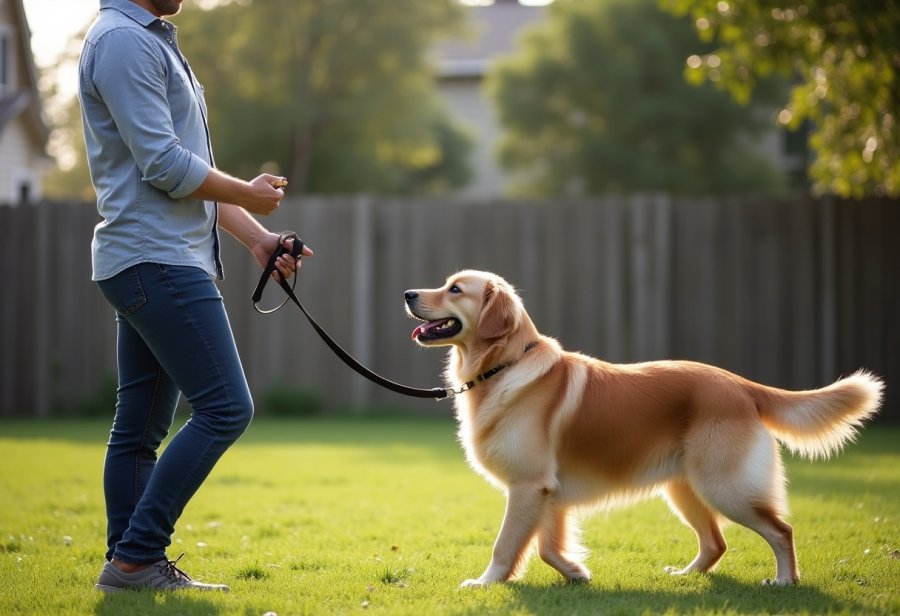
Real-World Success Stories: Turning Calm Walking into Daily Joy
Seeing real-world examples can truly bring calm walking techniques to life and show how they work day-to-day. Take a dog owner in a busy city park who started practicing in quieter spots, rewarding their dog for staying close and calm. Over time, by gradually introducing distractions like passing bikes or barking dogs, they reinforced good focus with treats and praise. Eventually, the dog learned to remain relaxed even amid more activity, turning stressful moments into opportunities for positive reinforcement.
Another common scenario involves a rescue dog that initially pulled strongly on the leash, especially in unfamiliar neighborhoods. Through patience and consistent use of commands like “heel,” along with calming exercises beforehand, the owner helped build the dog’s confidence. Now, they enjoy peaceful walks through lively streets, with their dog staying attentive and calm thanks to steady practice and reward-based training.
In suburban neighborhoods, many owners find success by starting with short, controlled walks in calm areas before gradually adding more distractions. For example, practicing leash manners while children play nearby can lead to dogs responding reliably even in busier settings. These small, consistent steps demonstrate how patience and routine turn reactive or excitable behaviors into calm, focused walks.
Repeated practice in familiar environments helps dogs build confidence and feel secure. When new challenges arise, owners often pause and redirect their dog’s attention with commands or treats, reinforcing calmness. Celebrating small wins along the way builds trust and proves that progress is possible, even in tricky situations.
The key is persistence. Dogs that once struggled with pulling or reacting to distractions can learn to walk peacefully at your side. Many owners report that these calm outings deepen their bond, transforming daily walks into shared moments of trust and joy. Even setbacks are part of the process—stay patient, keep practicing, and your dog will learn to handle new environments with confidence.
With steady effort and positive reinforcement, your walks can become more relaxed, safe, and enjoyable. These real-world examples show that patience, consistency, and a calm approach are enough to turn challenging moments into opportunities for growth. Over time, your outings will not only be smoother but also more meaningful, strengthening the bond you share with your dog.
Smart Budgeting and Resources for Effective Training
Training your dog to walk calmly alongside you doesn’t have to break the bank, but thoughtful resource planning can make a big difference. The essential tools include a well-fitting harness or a no-pull leash, which help you control your dog comfortably while reducing strain and promoting calmer behavior. Investing in quality treats or a clicker for positive reinforcement can significantly boost engagement and motivation during training sessions. These items are usually affordable and durable, making them a cost-effective way to support steady progress.
Beyond equipment, enrolling in training classes—either in person or online—provides structure and expert guidance that can accelerate your dog’s learning. While there’s an initial cost, professional support often saves time and frustration, helping you avoid common pitfalls. Budgeting for supplies like waste bags, extra leashes, and enrichment toys ensures your routines remain consistent and enjoyable, reinforcing good habits with minimal hassle.
Smart resource management involves focusing on quality over quantity. Choose versatile, durable gear that will last and serve your training goals rather than chasing every trendy gadget. Prioritize tools that directly support calm, focused walks—like a comfortable harness and tasty treats—and build your kit gradually. This way, your investment aligns with your progress, making each step more effective.
Remember, training success also hinges on your time and effort. Regular, dedicated practice sessions combined with routine routines create a stable environment for your dog to learn. Small, consistent efforts are often more impactful than sporadic, intensive sessions, helping to establish long-lasting habits without overwhelming your schedule or budget.
Finally, patience and persistence are your best resources. Approaching training with a mindful, measured plan allows you to adapt as needed and celebrate small wins along the way. With thoughtful resource planning and ongoing commitment, peaceful, confident walks become an achievable and rewarding part of everyday life.
Step-by-Step Planning for Consistent, Calm Outings
Creating a calm walking routine starts with setting clear, achievable goals. Decide on specific behaviors you want your dog to master, like walking without pulling or responding reliably to commands such as “heel.” Having these targets in mind keeps your training focused and helps you track progress. Begin in quiet, low-stimulation environments, and gradually increase the challenge by adding distractions as your dog shows confidence. Consistency in routines and cues reinforces learning, making each walk predictable and less stressful for your dog.
Next, develop a step-by-step plan that emphasizes repetition and gradual progression. Start with short walks in calm settings, rewarding calm behavior with treats and praise. As your dog masters basic cues, slowly introduce busier environments, always rewarding focus and restraint. This incremental approach helps your dog associate new situations with positive experiences, reducing reactive tendencies and building resilience. Stick to the same routes and commands to foster a sense of security, which helps your dog understand what to expect.
Establish routines for your walks—same time, familiar routes, consistent commands—to give your dog a sense of stability. Dogs thrive on predictability, and routines help reduce anxiety and confusion. Keep a mental or written checklist to monitor progress, celebrate small wins, and identify areas needing extra attention. Patience is key; progress can be slow, but steady effort will build stronger, calmer habits over time.
Be adaptable, but stay persistent. If your dog shows signs of stress or distraction, take a step back and revisit foundational exercises. Shorten walks temporarily to rebuild confidence before progressing to more challenging environments. Each walk becomes an opportunity to reinforce calmness, and setbacks are just part of the learning process. With consistent practice and positive reinforcement, your dog will learn that peaceful walking is rewarding and enjoyable.
Remember, training is a dynamic journey. Adjust your strategies based on your dog’s responses, always prioritizing kindness and patience. Over time, these routines will become second nature, making longer, more relaxed outings possible. Building a calm, reliable walking routine not only improves your dog’s behavior but also deepens your bond, turning everyday walks into shared moments of trust and harmony.
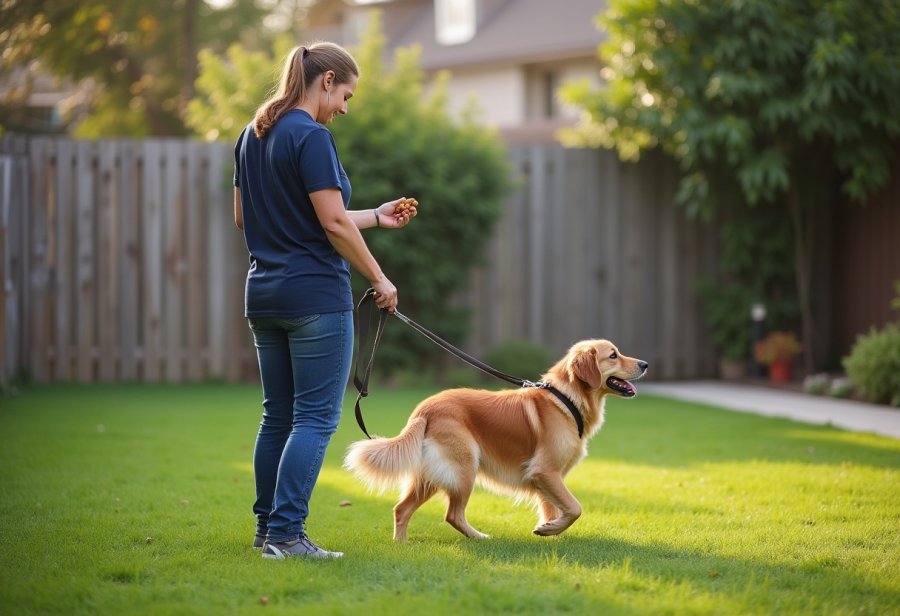
Overcoming Challenges: Managing Risks and Obstacles with Confidence
Managing risks and obstacles during calm dog training is crucial for steady progress. Being aware of potential triggers like sudden loud noises, other dogs, or unfamiliar people allows you to respond calmly and prevent setbacks. Gradual exposure to these stimuli, in controlled environments, helps desensitize your dog over time, reducing reactivity and building confidence. When your dog shows signs of stress or overexcitement, pausing the walk and giving them space to settle can prevent escalation and reinforce that calmness is rewarded.
Handling unexpected issues requires patience and a calm demeanor. If your dog pulls or reacts strongly, stopping and standing still signals that tension on the leash isn’t rewarded. Waiting for them to relax before proceeding teaches that calm behavior results in movement and progress. During moments of reactivity or anxiety, taking a break and returning later with smaller steps can help your dog associate challenging situations with positive outcomes, rather than frustration.
Early identification of triggers and implementing preventative strategies make a big difference. Introducing new environments gradually, rewarding calm responses, and avoiding over-stimulation create a safer space for learning. Techniques like desensitization and counter-conditioning are especially helpful for reactive or fearful dogs, turning triggers into manageable stimuli. Consistent routines and clear commands foster a sense of security, reducing the likelihood of disruptive reactions.
Have a response plan ready for challenging moments. Stay calm, use redirection with treats or commands, and avoid pushing through overwhelm. Sometimes ending a walk early and trying again later with smaller steps is more effective than forcing progress. This teaches patience and resilience, essential qualities for both you and your dog. If persistent issues arise, seeking professional guidance can provide tailored strategies to keep your training on track.
By proactively managing risks and obstacles, you reinforce your dog’s ability to handle new situations calmly. Patience, consistency, and a gentle approach turn potential disruptions into opportunities for growth. Over time, your dog will learn to navigate distractions and challenges confidently, making walks safer, more relaxed, and truly enjoyable for both of you.