Learning to ride a bike is more than a childhood milestone; it’s a profound journey of courage, resilience, and family bonding. The wobbling starts, falls, and triumphs encapsulate a child’s transition from dependence to independence, teaching vital lessons about perseverance and support. But does the initial fear of falling outweigh the exhilaration of mastering balance? This universal experience is steeped in cultural significance—symbolizing growth, autonomy, and community across generations and societies. Today’s innovative tools, from balance bikes to supportive community programs, have transformed how children conquer their fears and develop confidence. Yet, the path remains personal and nuanced, demanding patience, empathy, and encouragement from caregivers. As children learn to trust their abilities, they discover that setbacks are stepping stones to achievement. Ultimately, this journey nurtures resilience that extends beyond cycling, fostering a lifelong mindset of courage and perseverance—question is, how will we support them along this timeless rite of passage?
The Milestone of Learning to Ride: A Childhood Adventure
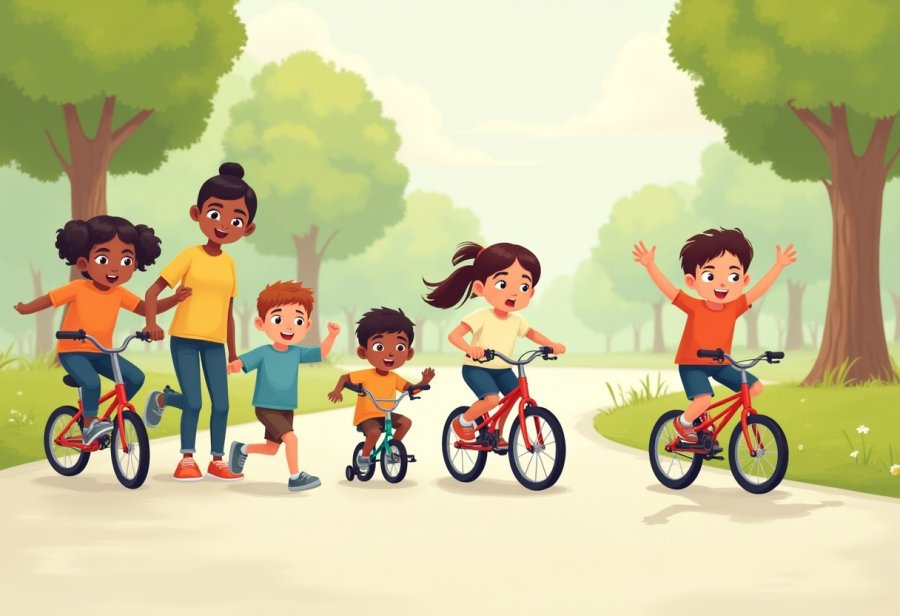
Learning to ride a bike is a milestone that sticks with children and families long after the pedals start turning. It’s a moment filled with anticipation, a mix of nerves and excitement as kids wobble on two wheels for the first time. For many, this rite of passage sparks a wave of confidence that can open doors to new adventures and independence. Families often remember those early attempts—laughing through tumbles, offering steadying hands, and celebrating small victories. These moments become treasured memories that define a childhood milestone.
This experience taps into a child’s natural curiosity and desire to explore. The initial fear of falling can seem daunting, but facing it head-on teaches resilience and patience. When a child finally pedals confidently, the feeling of achievement is unmistakable—proof that effort, support, and perseverance pay off. These small successes boost self-esteem and inspire a desire to try more new things, fueling a sense of accomplishment that extends beyond the bike.
Learning to ride also fosters emotional growth. It encourages children to confront fears directly and develop resilience along the way. Each wobble, fall, and comeback builds inner strength and trust in their abilities. As they master balance and coordination, they begin to see challenges as opportunities rather than obstacles—a mindset that will serve them well beyond childhood.
For families, teaching a child to ride transforms into a shared adventure. Parents running alongside, offering reassurance with encouraging words, turn what could be a frustrating process into a bonding experience. Celebrating every small progress together reinforces trust, teamwork, and resilience. These moments of connection lay a foundation for children to feel safe exploring new skills and the world around them.
In essence, learning to ride a bike symbolizes more than physical mastery; it embodies independence, courage, and the joy of overcoming fears. It’s a journey that shapes a child’s confidence and resilience, fostering a sense of achievement that lasts a lifetime. Every wobble and fall becomes part of a bigger story—one of growth, support, and the thrill of finally finding balance on their own.
Cycling Through History: Cultural Significance and Evolution
Cycling has long been more than just a means of transportation; it’s a universal symbol of childhood independence and personal growth. When bicycles first appeared in the 19th century, they quickly became a milestone that signaled a child’s transition from dependence to exploration. Learning to ride represented more than physical coordination—it was a rite of passage that marked a young person’s step into a broader world of adventure, self-reliance, and confidence. Across diverse cultures, mastering this skill became a shared achievement, symbolizing progress and maturity.
As cycling’s popularity spread globally, so did its cultural significance. In many societies, a child’s ability to ride a bike was seen as a sign of readiness for new responsibilities and independence. Communities celebrated this milestone as a mark of growth, often viewing it as a tangible sign that a child was stepping into a more autonomous phase of life. This shared experience fostered a sense of community, connecting generations and reinforcing values of resilience and perseverance that extend well beyond childhood.
Throughout history, bicycles have also played a role in shaping social movements and strengthening community bonds. In areas where transportation options were limited, bikes provided essential mobility—allowing children to reach schools, markets, and social gatherings. Beyond utility, cycling became intertwined with ideals of self-sufficiency, environmental awareness, and health. These values helped embed riding a bike into the fabric of childhood development, making it a symbol of progress and active living across different cultural landscapes.
Innovations in teaching methods have further elevated cycling’s significance. The advent of balance bikes, which emphasize coordination before pedaling, made learning safer and more accessible for young children. Protective gear like helmets and pads underscore a collective emphasis on safety and responsibility. Community programs and school initiatives have reinforced cycling as a foundational skill, recognizing it as a step toward lifelong independence and confidence. These developments illustrate how cycling continues to symbolize growth, resilience, and the importance of community support worldwide.
Today, the cultural importance of learning to ride endures globally. Different societies approach teaching children to cycle in ways that reflect their unique values—some focus on safety, others on fostering independence early on. Whether through stories, traditions, or technological innovations, cycling remains a universal journey of growth. It’s a simple act that encapsulates the timeless human desire for freedom, exploration, and resilience, reminding us that the path from wobbling on two wheels to confident riding is a shared, enduring rite of passage.
Today’s Learning Landscape: Trends, Tools, and Techniques
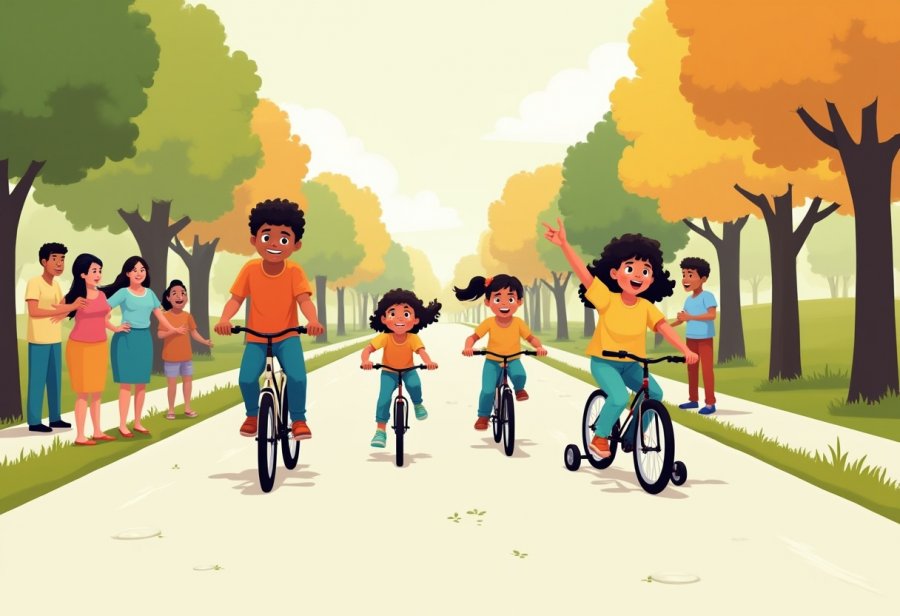
Today, teaching children to ride a bike combines time-tested methods with innovative tools designed to boost confidence and safety. The popularity of balance bikes has transformed the learning process, allowing kids to focus on steering and balancing without the distraction of pedals. Many parents find starting with these pedal-less bikes helps children develop core skills early, smoothing the transition to a regular bike and reducing initial wobbling. Meanwhile, training wheels remain a common choice for younger kids, providing extra stability as they learn to pedal and coordinate their movements.
Community programs and local workshops now play a vital role, offering structured lessons that create supportive environments for beginners. These sessions often blend practical skills with playful activities, making the learning process feel like an adventure. Technology also contributes, with apps, online tutorials, and videos offering additional guidance for parents and children alike. This mix of safety measures, innovative approaches, and engaging activities makes learning to ride more accessible and less intimidating for families.
The surrounding environment significantly influences the learning experience. Parks, quiet streets, and open spaces free of traffic provide the safest areas for kids to practice. Such settings allow children to focus on balancing and steering without the pressure of busy roads. Support from parents and caregivers remains crucial; their patience and encouragement help children push through setbacks and build resilience. When children feel secure and supported, they’re more willing to take risks and practice regularly, which accelerates their progress.
Recent trends emphasize making learning fun. Obstacle courses, riding games, and themed riding days turn practice sessions into exciting escapades. Kids navigate around cones, hop over ramps, or participate in scavenger hunts, which develop their skills while keeping the activity enjoyable. These playful approaches reduce anxiety about falling or losing control, fostering a positive attitude toward riding. When children associate cycling with fun, they’re more eager to practice and persist, turning challenges into opportunities for growth.
Despite these advancements, some hurdles remain. Not all children feel ready or confident, and access to safe spaces, quality gear, and supportive instruction isn’t equal everywhere. Some kids continue to struggle with fears of falling, which can slow their progress. Recognizing these barriers is essential to ensure every child has the chance to experience the joy of riding. Continued community efforts, tailored teaching strategies, and a focus on emotional support help make cycling a universal milestone, inspiring courage, independence, and resilience in every young rider.
Supporting Young Riders: Strategies for Encouragement and Success
Supporting children as they learn to ride a bike calls for patience, encouragement, and practical strategies. Starting with a bike that fits their size and comfort level is crucial—many parents find that balance bikes make all the difference. These pedal-less bikes help kids focus on steering and balancing, building core skills before they move on to pedals. This approach often leads to a smoother transition and fewer wobbles, making the process less frustrating for everyone.
Setting small, achievable goals keeps kids motivated. Celebrating milestones like staying upright for a certain distance or making a turn encourages persistence. Praising effort over results helps children see progress as a result of their hard work, not just success. Turning practice into a game—such as weaving around cones or tackling mini obstacle courses—transforms learning into a fun adventure, easing fears of falling and control issues.
Creating a safe environment is also key. Parks, quiet streets, or open spaces remove the dangers of traffic, allowing children to focus solely on balancing and steering. Supportive adults should offer gentle guidance, offering words of reassurance rather than pressure. When kids feel safe and supported, they’re more willing to try again after falls, which makes them more resilient and confident over time.
Involving friends or siblings can boost motivation. Kids often look up to those who ride confidently, and riding together creates a sense of camaraderie. Watching others succeed and sharing the experience fosters a positive attitude and makes practice sessions feel less like a chore. This social element encourages regular practice and helps children see riding as a shared adventure rather than a solo challenge.
Adding playful elements like obstacle courses, themed riding days, or scavenger hunts makes learning feel more like play. Navigating around cones or hopping over ramps develops control while keeping the activity exciting. These fun activities help reduce anxiety about falling, making kids eager to ride and practice more often. When learning is engaging, children develop a positive mindset that promotes persistence.
Recognizing each child’s individual pace is vital. Some children pick up riding quickly, while others need more time and reassurance. Adjusting expectations and offering extra encouragement ensures they stay motivated without feeling overwhelmed. Patience and empathy from adults turn setbacks into learning opportunities, helping kids build resilience and enjoy the journey.
Finally, celebrating progress, no matter how small, reinforces a growth mindset. Every wobble, fall, and subsequent rise teaches resilience and confidence. When families cheer on each effort, they strengthen the bond and create a positive association with cycling. These moments of support and encouragement turn a simple skill into a lifelong foundation for independence, courage, and joy in movement.
Reflections on Growth: Celebrating Resilience and Lifelong Lessons
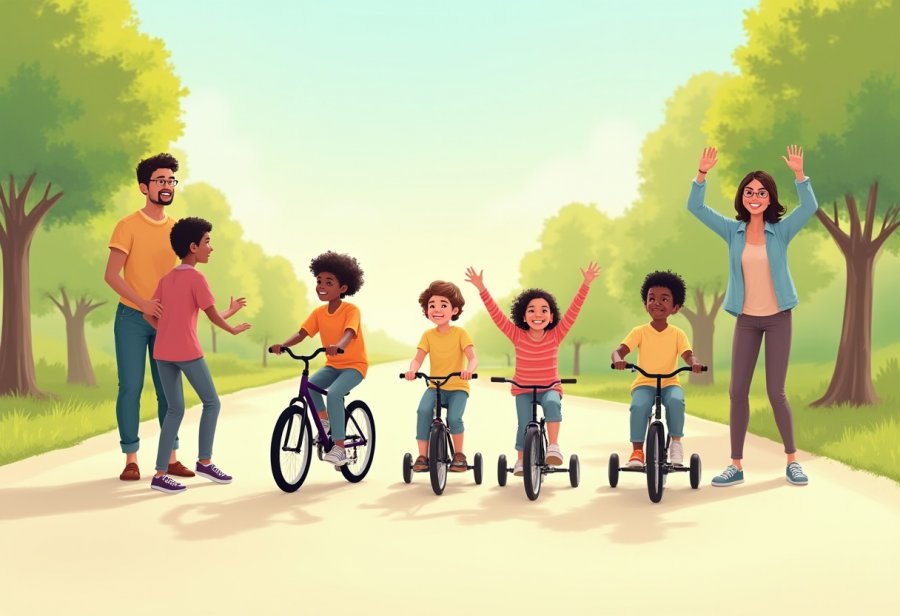
Learning to ride a bike is more than just picking up a new skill; it’s a powerful lesson in resilience, courage, and the importance of support. Every wobble, fall, and quick recovery builds confidence and teaches children that setbacks are just part of the journey toward independence. When families cheer for these small victories, they reinforce that effort and encouragement matter more than perfection, creating memories that last a lifetime.
This process highlights how perseverance truly pays off. Overcoming fears of falling or failing isn’t easy, but each attempt brings children closer to mastering their bike. Supportive words, gentle guidance, and patience help them see that falling isn’t failure—it’s a vital step in learning. As they gain trust in their abilities, these lessons extend beyond cycling, shaping a resilient mindset that’s ready to tackle future challenges with optimism.
The role of family, friends, and caregivers in nurturing this resilience can’t be overstated. When children feel safe and supported, they’re more willing to take risks and push through frustration. Celebrating progress, no matter how small, fosters a positive attitude and encourages persistence. Creating an environment where mistakes are viewed as opportunities for growth helps children develop a healthy approach to learning and resilience that will serve them well into adulthood.
Supporting a child’s cycling journey also means recognizing individual differences. Some children pick up riding quickly, while others need more time and reassurance. Patience and empathy turn setbacks into valuable lessons, helping kids build resilience and enjoy the process. When adults stay consistent in their encouragement, children learn that effort is what truly counts, not immediate perfection.
The experiences children gain from learning to ride—trusting their balance, mastering coordination, and conquering fears—are foundational for many areas of life. They learn that persistence can turn wobbling moments into moments of triumph. These lessons in patience and resilience become part of their character, inspiring confidence that can carry them into new adventures and challenges.
Encouraging ongoing support and positive reinforcement creates a lasting impact. When children see that their efforts are valued, they’re more motivated to keep trying, even when things get tough. The joy of finally riding confidently is amplified by the knowledge that they have a support system behind them, rooting for their success.
In the end, the journey of learning to ride a bike embodies much more than physical skill—it’s a celebration of growth, support, and the human spirit’s capacity to overcome. Every wobble and fall is a step toward independence and self-belief. By fostering patience, encouragement, and resilience, we help children develop the confidence to explore the world around them, knowing they’re capable of more than they imagined. This journey isn’t just about cycling; it’s about nurturing a lifelong attitude of courage and perseverance.