Is Cleopatra’s enduring legacy rooted in her striking beauty or her formidable intellect? Far from the Hollywood myth of seduction, she was a brilliant ruler whose mastery of diplomacy, culture, and strategic thinking defined her reign. Fluent in multiple languages and a patron of Alexandria’s renowned library, Cleopatra exemplified a scholar-queen whose influence extended through knowledge, symbolism, and political savvy. Her alliances with Julius Caesar and Mark Antony were carefully calculated acts of statecraft, not vanity. Her ability to read her environment, forge alliances, and wield cultural and religious symbols fortified her authority amidst turbulent internal rivalries and external threats. This reshapes her image from a superficial icon to a profound strategist whose true power lay in her sharp mind and resilience. Cleopatra’s story offers timeless lessons: leadership rooted in wisdom, adaptability, and cultural insight remains powerful—so, could her real legacy be the strength of her mind?
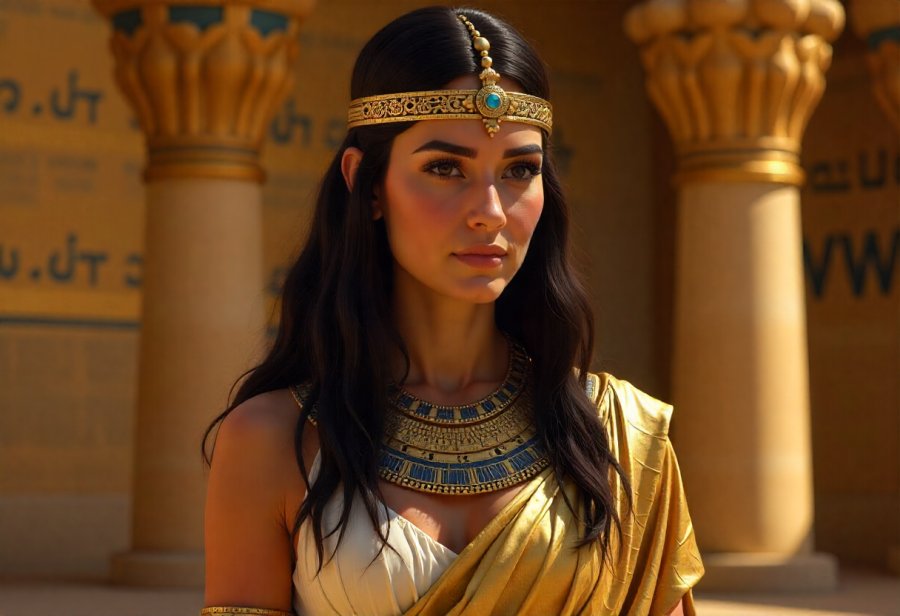
Unveiling Cleopatra: The Leader of Mind and Diplomacy
Cleopatra VII is often remembered through a lens that emphasizes her beauty and personal allure, but her true significance lies elsewhere. As the last active ruler of Egypt’s Ptolemaic dynasty, she navigated a turbulent era marked by external threats and internal power struggles, demonstrating leadership rooted in her sharp mind and diplomatic skill. Her reign was not just about maintaining her throne but about shaping Egypt’s future through strategic thinking and cultural influence. Recognizing her as a scholar and diplomat offers a more accurate picture of her legacy—one that highlights her intelligence and resilience rather than fleeting notions of charm.
Her strength was fundamentally rooted in her intellect. She was a multilingual scholar, fluent in several languages including Egyptian, Greek, and Latin, which allowed her to communicate directly with diverse audiences and forge vital alliances. Her education spanned politics, philosophy, sciences, and literature, equipping her with the knowledge needed to rule effectively. She understood that leadership depended on more than royal blood or appearance; it required wit, insight, and the ability to adapt. Her mastery of diplomacy and cultural diplomacy enabled her to navigate complex political landscapes and safeguard her kingdom’s independence.
Her rise to power was carefully orchestrated in a world rife with rivalries and external threats. Born into the Macedonian Greek Ptolemaic dynasty, Cleopatra inherited a throne that was fragile and contested. Her accession was not merely a matter of inheritance but involved shrewd political maneuvering, alliances, and internal court diplomacy. Her ability to consolidate her authority amid rival family members and external powers, especially Rome, showed her strategic mindset. Her leadership was characterized by a clear focus on preserving Egypt’s sovereignty through diplomacy, scholarship, and political resilience.
Throughout her reign, Cleopatra’s intellectual pursuits played a central role. She was a patron of Alexandria’s famed library and scholarly community, fostering advancements in science, philosophy, and the arts. Her genuine love of learning and engagement with scholars distinguished her from many of her contemporaries. This dedication to knowledge wasn’t just personal; it was a tool in her political arsenal—allowing her to craft informed strategies and build alliances based on shared cultural and scientific interests. Her leadership style integrated her scholarly pursuits with her political ambitions, creating a unique blend of wisdom and power.
Her diplomatic skills were exemplified in her relationships with powerful Roman figures like Julius Caesar and Mark Antony. These alliances weren’t driven solely by personal interest but by a calculated effort to protect her kingdom. Cleopatra’s ability to negotiate, persuade, and project authority through symbolic acts and alliances demonstrated her mastery of political strategy. She welcomed Caesar into Alexandria and aligned with Antony to preserve Egypt’s independence, all while maintaining her image as a ruler rooted in intelligence and cultural sophistication. These skills highlight her as a leader who prioritized her nation’s future through strategic diplomacy.
Cleopatra’s leadership was also expressed through her use of symbolism and divine authority. She portrayed herself as the living embodiment of the goddess Isis, reinforcing her legitimacy and divine right to rule. This blending of religion, culture, and politics allowed her to command loyalty and respect from her people and her allies. Her ability to read her enemies and adapt her tactics further emphasized her strategic mind. Cleopatra’s leadership was not based on superficial attributes but on her capacity to combine intelligence, cultural insight, and political acumen—traits that made her one of history’s most formidable rulers.
Her mastery of symbolism extended to religious rituals, ceremonies, and public appearances that emphasized her divine right to govern. Cleopatra was skilled at reading her environment, knowing when to be assertive and when to adopt a more diplomatic tone. She cultivated internal alliances through marriages or strategic gestures, often adjusting her tactics to suit shifting circumstances. This adaptability showcased her resilience and sharp mind, allowing her to shape her image and influence her political landscape effectively. Her leadership was about more than ruling; it was about shaping perceptions to sustain her power.
Ultimately, Cleopatra’s power lay in her influence through intelligence, symbolism, and strategic insight. She understood that leadership in her era depended less on brute force and more on reading her environment, forging alliances, and using cultural and religious symbols to legitimize her authority. Her ability to adapt tactics and leverage her knowledge ensured her reign and legacy endured. Cleopatra proved that true leadership stems from the mind—her strategic thinking and cultural literacy making her a legendary figure whose impact transcends time.
Cleopatra’s Rise Amidst Power Struggles and External Threats
Cleopatra VII’s rise to power unfolded within the complex and often volatile environment of her family’s dynasty. The Ptolemaic ruling house, established by Ptolemy I after Alexander the Great’s empire fractured, was a Greek-Macedonian elite maintaining a court steeped in Hellenistic traditions. This court was riddled with internal rivalries, shifting alliances, and power struggles, making leadership a constant game of diplomacy and strategic maneuvering.
Born into this turbulent setting, Cleopatra inherited a fragile throne from her father, Ptolemy XII. Her path to the throne was shaped by shrewd political negotiations and court intrigue, rather than mere inheritance. She was only a teenager when she ascended, but her education in politics, languages, and philosophy prepared her to navigate the dangerous waters of palace power. She understood early on that effective leadership depended on balancing Greek customs with the needs of her Egyptian subjects, a skill that would serve her throughout her reign.
Her accession coincided with increasing external threats, notably from Rome’s expanding influence across the Mediterranean. Cleopatra’s diplomatic finesse became crucial as she sought alliances with powerful Roman figures like Julius Caesar and later Mark Antony. These relationships were driven by strategic calculations to safeguard Egypt’s independence. Cleopatra used marriage, negotiations, and cultural diplomacy to turn potential enemies into allies, all while reinforcing her authority through symbols of divine legitimacy rooted in Egyptian tradition.
Her rise was also deeply intertwined with her scholarly pursuits. Fluent in multiple languages and a patron of Alexandria’s renowned library, Cleopatra’s intellectual curiosity gave her an edge. She engaged with scientific, philosophical, and religious ideas, positioning herself as a learned ruler who valued knowledge as a tool for diplomacy and statecraft. Her ability to integrate her education into her leadership style set her apart from many contemporaries, blending wisdom with political savvy.
Throughout her ascent, Cleopatra demonstrated resilience and sharp political instinct. She consolidated her power amidst court rivals and external threats by adopting flexible tactics. Whether through strategic marriages, alliances, or symbolic acts, she knew when to assert strength and when to adopt a more diplomatic approach. This adaptability allowed her to maintain her grip on power amid shifting circumstances and external pressures.
Her mastery of cultural symbolism further bolstered her leadership. Portraying herself as the living embodiment of the goddess Isis, Cleopatra reinforced her divine right to rule. This divine persona, combined with elaborate rituals and public appearances, helped deepen loyalty among her followers and legitimize her authority in a turbulent political landscape. Her ability to read her environment and adjust her image was central to her enduring influence.
Her leadership was rooted in her capacity to weave intelligence, symbolism, and diplomacy into a cohesive strategy. She understood that influence in her era depended more on perception and cultural resonance than brute force. By navigating internal court politics and external threats with sophistication, Cleopatra preserved her throne and left a legacy of a ruler who mastered the art of political resilience through her mind as much as her crown.
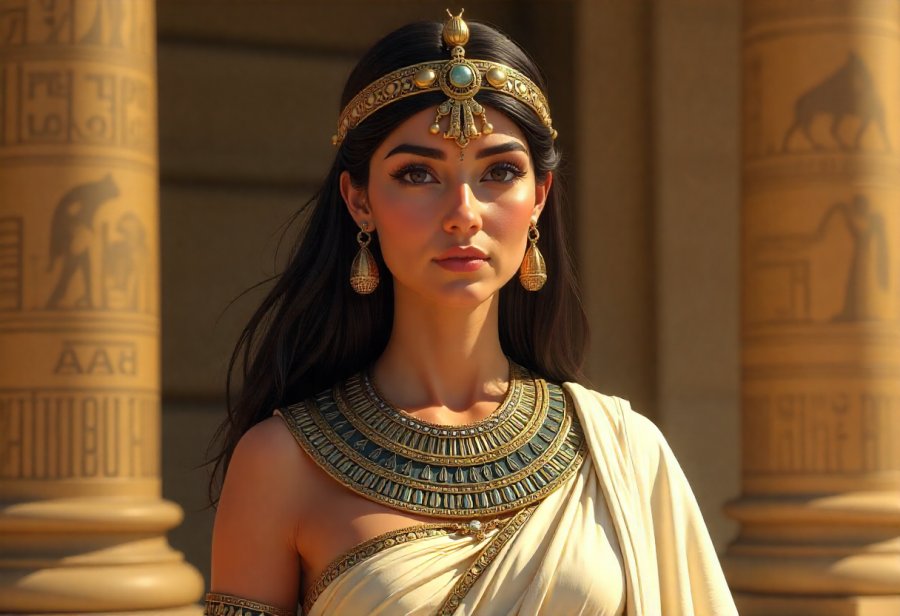
Mastering Influence: Cleopatra’s Strategies of Power, Symbolism, and Diplomacy
Cleopatra’s leadership extended far beyond her titles; it was rooted in her ability to project strength through clever diplomacy, cultural influence, and powerful symbolism. She understood that maintaining Egypt’s independence depended less on military might and more on shaping perceptions. By blending Egyptian divine imagery with her Macedonian royal roots, she positioned herself as both a ruler and a goddess figure. This divine persona reinforced her legitimacy and inspired loyalty, allowing her to wield influence that transcended mere political authority.
Her mastery of symbolism was evident in her use of religious rituals, elaborate ceremonies, and public appearances that emphasized her divine right to rule. Cleopatra was a keen observer of her environment, knowing when to assert herself boldly and when to adopt a more diplomatic tone. This flexibility helped her navigate internal court rivalries and external threats alike. Whether through strategic marriages or gestures that reinforced her position, she adapted her tactics to fit shifting circumstances, demonstrating resilience and sharp political instinct.
At the core of her power was her deep understanding of Egyptian traditions, combined with her education in Greek philosophy, languages, and sciences. Fluent in multiple tongues, she communicated directly with diverse audiences, strengthening her diplomatic ties. Her patronage of Alexandria’s renowned library and scholarly community reflected her love of learning and her belief that knowledge was a vital tool in her leadership arsenal. This intellectual curiosity gave her an edge over rivals who relied solely on force or hereditary claims, allowing her to craft informed strategies rooted in cultural literacy.
Her relationships with Rome’s most influential men—Julius Caesar and Mark Antony—highlight her skill in projecting authority through symbolic acts. Welcoming Caesar into Alexandria was more than a show of strength; it was a calculated move to affirm her independence. Her alliance with Antony further showcased her ability to balance personal diplomacy with broader political goals. These alliances were not based solely on personal affection but on strategic moves designed to secure Egypt’s sovereignty amid a vast empire eager for influence.
Cleopatra’s leadership was a sophisticated blend of intelligence, symbolism, and cultural insight. She knew influence depended less on force and more on reading her environment, forging alliances, and shaping perceptions. Her ability to adjust tactics and leverage her knowledge allowed her to maintain her power in a turbulent political landscape. She shaped her image carefully, reinforcing her authority through a seamless mix of strategy and symbolism, leaving a legacy of a ruler whose strength was rooted in her mind as much as her throne.
Reevaluating Cleopatra: From Myth to a Symbol of Cultural and Political Genius
Modern perspectives on Cleopatra challenge the long-standing image of her as merely a glamorous seductress. Today’s scholars see her as a master strategist who expertly used cultural diplomacy and political savvy to navigate a male-dominated world. Her multilingual abilities, patronage of Alexandria’s renowned library, and genuine passion for learning reveal a leader whose strength lay in intelligence and negotiation, not just beauty. Recognizing her as a scholar-queen shifts the focus from superficial allure to resilience and ingenuity—traits that still resonate today.
Her relationships with Julius Caesar and Mark Antony were more than personal affairs; they were carefully calculated alliances aimed at preserving Egypt’s independence. Cleopatra’s skill in negotiation and symbolism allowed her to project authority and extend her influence across the Mediterranean. These diplomatic moves weren’t about vanity—they were strategic acts of statecraft that kept her throne secure amid external threats and internal rivalries. Her ability to wield influence through cultural and political channels highlights her cleverness and adaptability.
Focusing on her scholarly pursuits helps paint her as a ruler deeply committed to knowledge and cultural exchange. Her fluency in multiple languages and support for Alexandria’s library positioned her as an intellectual leader of her time. This dedication to learning wasn’t just personal curiosity; it was a strategic advantage that helped her forge alliances rooted in shared ideas and mutual respect. Her cultural literacy gave her an edge over rivals who relied solely on military strength or hereditary claims, making her a truly strategic thinker.
Her alliances with Rome’s giants further showcase her mastery of symbolism and diplomacy. Welcoming Caesar into Alexandria was more than a show of strength; it was a move to demonstrate independence and political savvy. Her relationship with Antony exemplified her ability to balance personal rapport with national strategy. Cleopatra understood that projecting authority through wealth, culture, and symbols could be more effective than force alone, shaping her image as a powerful leader.
Today, her leadership style offers valuable lessons in adaptability and resilience. Cleopatra’s ability to read her environment, craft strategic alliances, and use cultural symbols to legitimize her rule demonstrates qualities modern leaders admire. Her story underscores that influence often stems from cultural understanding and psychological insight—traits that remain crucial in today’s interconnected world. Her legacy reminds us that true power is rooted in wisdom, strategic thinking, and the ability to navigate complex environments.
Reframing Cleopatra as a figure of intelligence and resilience transforms her from a mythic icon into a symbol of strategic leadership. Her example emphasizes that influence comes from cultivating a sharp mind, understanding cultural nuances, and resiliently adapting to change. Her enduring impact proves that leadership rooted in knowledge and insight can be more powerful than superficial attributes. Cleopatra’s story continues to inspire, demonstrating that the most lasting influence is built on the strength of the mind.
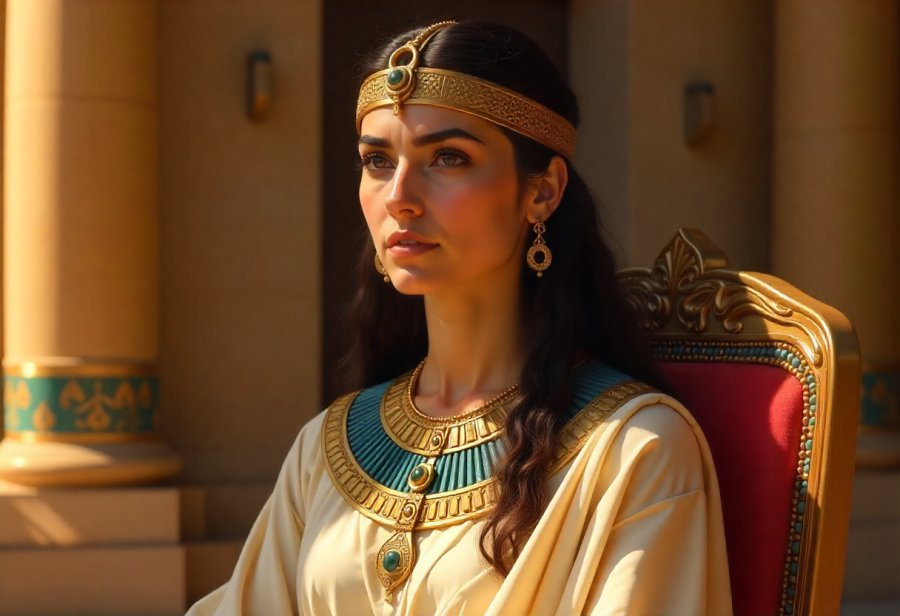
Legacy of Wisdom: Lessons from Cleopatra’s Enduring Strategic Brilliance
Recognizing Cleopatra’s true legacy as a leader rooted in intellect and strategic insight reshapes how we understand her place in history. She was far more than a figure of beauty or romance; she was a formidable tactician whose influence extended through diplomacy, culture, and political cunning. Her ability to outthink rivals and forge alliances to safeguard Egypt’s independence highlights the enduring power of intelligence in leadership. This perspective shifts the focus from superficial attributes to the profound strength of her mind, emphasizing that true authority comes from mental agility and cultural literacy.
Her story offers timeless lessons for today’s leaders, especially in an interconnected world that demands adaptability and resilience. Cleopatra’s mastery of negotiation, symbolism, and cultural influence demonstrates that influence isn’t solely achieved through force but through strategic communication and an understanding of perception. Her multilingual abilities and patronage of Alexandria’s scholarly community underscore the importance of knowledge and cultural literacy—tools that remain vital in shaping effective leadership today. Her example reminds us that influence is rooted in insight, not just immediate power.
By viewing Cleopatra as a woman of resilience and intelligence, we challenge outdated stereotypes that diminish women’s capacity for strategic decision-making. Her leadership was built on the ability to read her environment, craft nuanced alliances, and leverage cultural and religious symbols to legitimize her authority. These qualities are as relevant now as they were then, proving that lasting influence depends on wisdom, adaptability, and a deep understanding of complex social and political landscapes. Her legacy continues to inspire those who recognize that strength lies in the mind as much as in titles or appearances.
Her alliances with key Roman figures weren’t mere personal relationships—they were carefully calculated political strategies designed to preserve her sovereignty. Cleopatra’s skill in using symbolism, negotiation, and cultural diplomacy exemplifies how influence often hinges on mental acuity and strategic foresight. Her ability to adapt tactics based on shifting circumstances underscores the importance of resilience and flexible thinking in leadership. Her example encourages modern leaders to prioritize education, cultural competence, and strategic vision as essential qualities for lasting impact.
In the end, Cleopatra’s influence endures because she exemplified what it means to lead with intelligence, resilience, and strategic insight. Her legacy reminds us that true power stems from cultivating a sharp mind, understanding cultural nuances, and navigating challenges with resilience. Her story affirms that leadership rooted in knowledge and insight can leave an indelible mark on history, inspiring future generations to value wisdom over superficial allure and to recognize that the most enduring influence is built on the strength of the mind.