Your car’s battery is the silent hero behind every reliable start and seamless electronic function—yet how often do we truly check its health before it fails? Mastering simple maintenance routines can mean the difference between worry-free driving and unexpected roadside breakdowns. Regular inspections, terminal cleaning, and voltage testing are easy steps that can prevent minor issues from spiraling into costly repairs or dangerous emergencies. But what signs should you look for? Corrosion, cracks, leaks, or swelling indicate your battery’s decline and demand immediate attention. External factors like weather and driving habits further influence its lifespan, making proactive care essential. By understanding and implementing these basic yet crucial habits, you’re not just maintaining a component—you’re safeguarding your journey, peace of mind, and your vehicle’s dependability. Are you doing enough to keep your power source in top shape for every trip?

Discover the Vital Role of Your Car’s Battery for Worry-Free Driving
Your car’s battery might be tucked away under the hood, but it’s truly the engine’s lifeline. It’s the tiny powerhouse responsible for starting your vehicle and powering all the electronic systems—lights, radio, sensors—that keep your drive smooth and comfortable. When your battery is in good shape, your car starts reliably, and everything operates as it should. But neglecting regular care can turn that dependable power source into a potential problem.
A healthy battery isn’t just about avoiding a dead engine; it’s about ensuring your vehicle’s electrical systems function consistently. From your headlights to your infotainment system, all rely on that small but vital component. When the battery weakens, those systems can falter, and you might find yourself stranded unexpectedly. Regular maintenance acts as an early warning, catching issues before they turn into roadside emergencies. It’s a simple step that can save you hours of frustration and a hefty repair bill.
Understanding what’s happening inside your battery helps you appreciate its importance. Most car batteries are lead-acid types with plates submerged in an electrolyte solution. When you turn the key, it supplies the initial spark needed to ignite the engine and keeps the electrical systems running. Over time, exposure to extreme weather, heat, cold, and general wear can reduce its effectiveness. That’s why keeping an eye on its condition isn’t just recommended—it’s essential for reliable driving.
Checking your battery doesn’t demand special tools or expertise. A quick visual inspection can reveal a lot: look for corrosion around the terminals, cracks, leaks, or bulges in the casing. Corrosion appears as a white or greenish powder and can interfere with electrical contact. Cleaning the terminals with a mixture of baking soda and water, along with a brush, can often restore proper connection. Ensuring the terminals are tight and free of buildup helps maintain a steady flow of power and reduces the risk of starting issues.
Regularly inspecting your battery’s physical state is just as important. Damage like cracks, leaks, or swelling indicates that the battery is compromised and should be replaced soon. Swollen or leaking batteries aren’t just unreliable—they can also pose safety hazards. Addressing these signs early prevents unexpected failures that could leave you stranded or require costly repairs. Being proactive about visual checks keeps your vehicle dependable.
Tracking the age of your battery is a smart move, especially since most last between three and five years. Knowing when it was installed allows you to plan replacements before it fails. Testing its voltage with a multimeter provides a quick snapshot of its health. A reading of about 12.6 volts or higher typically indicates a healthy battery, while lower readings suggest it’s weakening. Regular checks, particularly before winter or long trips, help ensure your vehicle is ready for the demands of colder weather and extended drives.
Measuring voltage with a multimeter is a simple yet effective diagnostic step. When the engine is off, a fully charged battery should read around 12.6 volts. If the voltage drops significantly below that, especially during cold weather or after short trips, it’s a sign your battery might be losing capacity. Catching these early warning signs allows you to plan for replacements in advance, avoiding inconvenient breakdowns. It’s a small investment of time that pays off by keeping your car reliable.
External factors like weather and driving habits also influence your battery’s lifespan. Cold temperatures slow chemical reactions inside the battery, making starts more difficult, while excessive heat can speed up internal wear and electrolyte evaporation. Short trips that don’t allow the alternator to recharge the battery fully can drain it over time. Adjusting your maintenance routine to account for these conditions—by checking more frequently or cleaning terminals—helps extend your battery’s life and keeps your vehicle dependable through every season.
By staying attentive to your battery’s condition, you’re actively supporting your vehicle’s reliability. Regular checks and simple maintenance routines are a small effort with big rewards—reducing the chances of unexpected breakdowns and keeping your drives smooth. Incorporating these habits into your routine ensures your car remains ready whenever you need it, giving you peace of mind and a worry-free driving experience. After all, a well-maintained battery is the foundation of a dependable car.

Practical Techniques to Maintain Your Battery’s Reliability and Extend Its Life
Performing routine battery checks is one of the simplest yet most effective ways to keep your vehicle dependable. Starting with a visual inspection of the terminals, look for any signs of corrosion—those white, greenish, or bluish deposits that can gradually build up over time. Corrosion acts like a barrier, hampering electrical contact and causing starting problems or electrical failures. If you notice buildup, cleaning the terminals with a paste made from baking soda and water, along with a brush, can often clear away the corrosion and restore a solid connection. This small step can make a noticeable difference in your battery’s reliability.
Next, ensure that the battery terminals are securely attached. Loose connections are a common cause of slow starts and unexpected stalls. Tighten the clamps with a wrench or pliers, but be careful not to over-tighten, as this can damage the posts. When the clamps are snug and free of corrosion, they provide a steady flow of power from the battery to the engine. Regularly verifying the tightness and cleanliness of your terminals helps maintain consistent electrical contact, reducing the chances of breakdowns, especially in colder weather or after rough driving conditions.
Monitoring your battery’s physical condition is equally important. Keep an eye out for any cracks, leaks, or bulges in the case. These are signs that the battery is compromised and needs replacement soon. A swollen or leaking battery isn’t just unreliable—it can pose safety risks. If you notice any damage, don’t delay in having a professional evaluate whether it’s time for a new one. Addressing these issues early prevents unexpected failures that could leave you stranded or facing costly repairs.
Tracking your battery’s age is another smart move. Most batteries last between three and five years, depending on climate and driving habits. Knowing when your battery was installed helps you plan for replacements before it fails. If your battery is nearing that age, testing its voltage with a multimeter offers a quick way to gauge its health. A reading of about 12.6 volts or higher usually indicates a healthy battery, while lower values suggest it’s weakening. Regular testing—especially before winter or long trips—ensures your vehicle is ready for the demands of colder weather and extended drives.
Measuring voltage with a multimeter is a straightforward diagnostic step that can save you from unexpected breakdowns. When the engine is off, a fully charged battery should read around 12.6 volts. If the voltage drops significantly below that, particularly in cold conditions or after short trips, it’s a sign that the battery might be losing capacity. Catching these early warnings allows you to plan for replacements in advance, avoiding inconvenient breakdowns and giving you peace of mind. It’s a small time investment that can make a big difference in your vehicle’s reliability.
External factors such as weather and driving style also influence your battery’s lifespan. Cold temperatures slow down chemical reactions inside the battery, making starting harder, while heat accelerates internal wear and electrolyte evaporation. Short trips that don’t give the alternator enough time to recharge the battery can drain it over time. Adjusting your maintenance routine according to these conditions—by checking more frequently or cleaning terminals—can extend your battery’s life and keep your vehicle dependable through every season. Recognizing how these factors impact your battery helps you stay proactive.
Incorporating these simple, consistent checks into your routine transforms battery maintenance from a chore into an easy habit. Regular visual inspections, terminal cleaning, and tightening are quick tasks that prevent many common issues. Being attentive to physical signs of damage or age can alert you before a minor problem turns into a major failure. Testing the voltage periodically gives you a clear picture of your battery’s health, so you’re never caught off guard. These habits not only enhance your vehicle’s reliability but also save you time and money, reinforcing your confidence behind the wheel.
By making routine battery care a regular part of your vehicle maintenance, you’re actively supporting its overall dependability. Small, consistent steps keep your battery in top shape, reducing the risk of roadside breakdowns and ensuring your car is ready whenever you need it. This proactive approach offers peace of mind, allowing you to focus on the road ahead rather than worrying about sudden failures. With a few simple practices, you can enjoy worry-free driving, knowing your battery is doing its job reliably day after day.
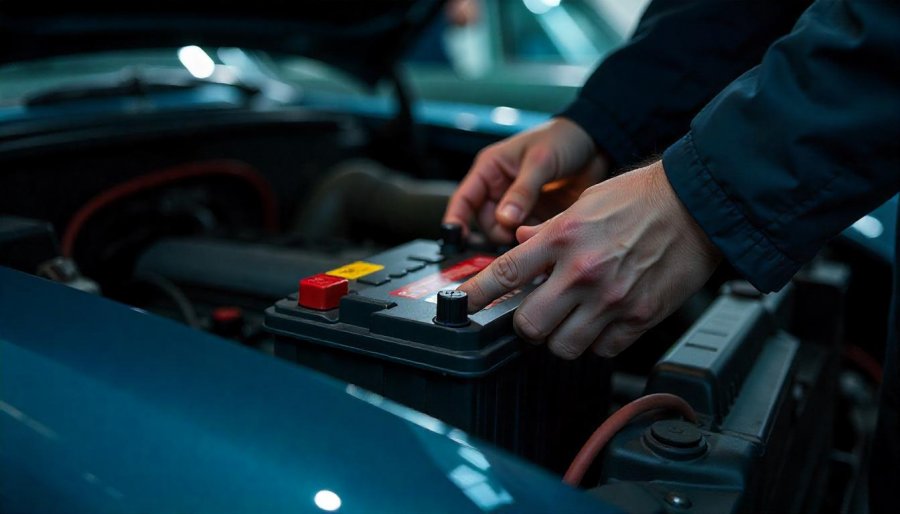
Simple Routine Checks to Ensure Your Vehicle’s Dependability and Peace of Mind
Keeping up with regular battery checks isn’t just good practice—it’s one of the most effective ways to keep your vehicle dependable day after day. When you make routine inspections a habit, you’re actively preventing small issues from escalating into major breakdowns. This proactive approach means you’re less likely to be caught off guard by a dead battery or electrical failure, especially when your vehicle is needed most. Simple tasks like cleaning terminals, tightening connections, and watching for physical signs of wear help maintain your battery’s health without requiring much time or effort.
Starting with a quick visual check is easy but impactful. Look for corrosion around the terminals—those white, green, or bluish deposits that can develop over time. Removing this buildup with a mixture of baking soda and water and a brush can restore good contact and improve electrical flow. Keeping the clamps snug and free of corrosion ensures a steady transfer of power from the battery to your engine, reducing the chances of starting problems and electrical hiccups. Regularly verifying the tightness and cleanliness of your connections keeps your vehicle running reliably, even in colder weather or after rough driving conditions.
Beyond cleaning and tightening, paying attention to your battery’s physical condition adds an important layer of security. Cracks, leaks, or bulges in the case aren’t just signs of aging—they’re safety hazards. If you notice any damage, don’t delay in having a professional assess whether it’s time for a replacement. Addressing these issues early can prevent unexpected failures that might leave you stranded or facing costly repairs. Being vigilant about physical signs of wear helps you stay ahead of potential breakdowns and ensures your vehicle remains dependable.
Tracking your battery’s age is another smart step in maintaining reliability. Most batteries last between three and five years, depending on climate and driving habits. Knowing when your battery was installed allows you to plan for replacements before it fails unexpectedly. Testing its voltage periodically with a multimeter provides a quick, accurate picture of its health. A reading around 12.6 volts or higher typically indicates a healthy battery, while lower readings suggest it’s losing capacity. Regular testing, especially before winter or long trips, helps you avoid inconvenient breakdowns and keeps your vehicle ready for any journey.
Measuring voltage with a multimeter is a straightforward diagnostic that can save you from roadside surprises. When the engine is off, a fully charged battery should read about 12.6 volts or more. If the voltage dips significantly below that—particularly during cold weather or after short drives—it’s a sign that your battery may be weakening. Catching these early warnings allows you to plan for a replacement in advance, preventing breakdowns when you least want them. This simple check takes only a moment but offers peace of mind, ensuring your car is prepared for daily use and longer trips alike.
External conditions like weather and your driving style also influence your battery’s lifespan. Cold temperatures slow chemical reactions inside the battery, making starts more difficult, while excessive heat accelerates internal wear and evaporation of electrolytes. Short trips that don’t give your alternator enough time to recharge can drain the battery over time. Adjusting your maintenance routine—by checking more frequently or cleaning terminals—according to these conditions can significantly extend your battery’s life. Recognizing how external factors impact your battery helps you stay proactive, keeping your vehicle dependable through every season.
Incorporating these simple, consistent checks into your routine transforms battery maintenance from a chore into an easy, effective habit. Regular visual inspections, terminal cleaning, and tightness checks prevent many common issues before they happen. Being attentive to physical signs of damage or age alerts you early, so you can act before a minor problem turns into a breakdown. Periodic voltage testing provides a clear picture of your battery’s health, allowing you to plan replacements comfortably in advance. These small efforts not only enhance your vehicle’s reliability but also save you money and stress in the long run.
By making routine battery care a regular part of your vehicle maintenance, you actively support its overall dependability. Small, consistent steps keep your battery in top shape, reducing the risk of roadside breakdowns and ensuring your car is always ready when you need it. This proactive approach offers peace of mind, letting you focus on the road ahead rather than worrying about unexpected failures. With just a few straightforward practices, you can enjoy worry-free driving, confident that your battery will perform reliably day after day.