Nylon’s ubiquity in our daily lives—found in clothes, carpets, and industrial goods—belies a deeper environmental toll rooted in its petrochemical origins. Crafted from fossil fuels through energy-intensive processes, its production releases potent greenhouse gases and pollutants, fueling climate change and ecosystem harm. Once in use, nylon’s durability leads to microplastic pollution, contaminating oceans and entering the food chain, with devastating effects on wildlife and human health. As nylon waste persists for centuries, it adds to the global plastic crisis, prompting urgent calls for sustainable alternatives. Innovations like bio-based fibers from renewable sources and advanced recycling technologies offer hope, but industry-wide change, policy support, and consumer action are essential to reduce reliance on finite resources. How can we balance the convenience of nylon with the imperative to protect our planet? This exploration reveals the complex challenge of reimagining a more sustainable textile future.
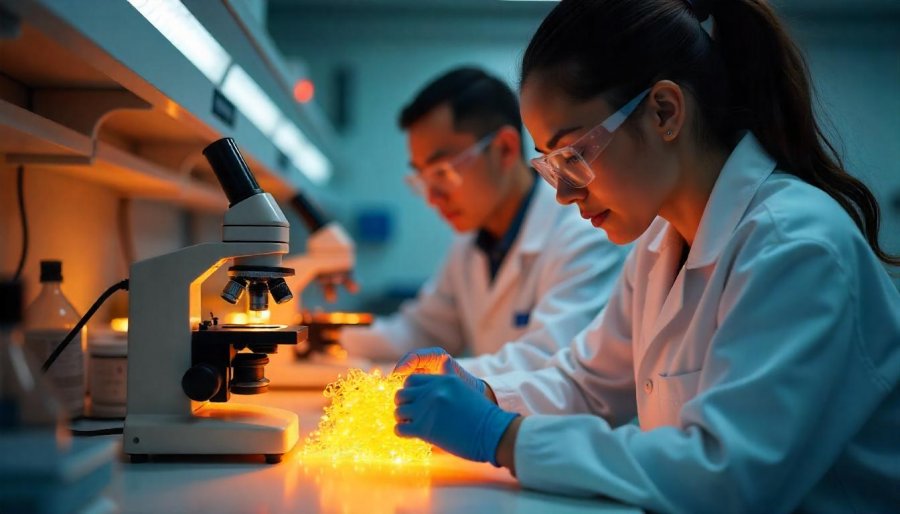
Unveiling Nylon’s Hidden Environmental Toll
Nylon is one of the most familiar synthetic fibers we encounter daily, woven into our clothes, carpets, and countless other products. Its popularity comes from its strength, elasticity, and affordability, making it a go-to material for manufacturers and consumers alike. But behind its practical appeal lies a complex story about its environmental footprint that’s often overlooked.
This story starts with nylon’s chemical origins. It belongs to the polyamide family, created through a process called polymerization, where long chains of molecules are linked together to form fibers. The most common types, nylon 6 and nylon 6,6, are produced from raw materials derived from fossil fuels like crude oil and natural gas. These non-renewable resources are transformed through energy-intensive chemical reactions into the durable fibers we see in everyday items.
The environmental costs of nylon extend beyond its raw materials. The production process itself is highly energy-consuming, releasing significant greenhouse gases and pollutants. During manufacturing, chemicals such as nitrous oxide—an especially potent greenhouse gas—are emitted into the atmosphere. Wastewater from factories often contains chemical residues, which, if not properly managed, can contaminate nearby water sources and harm ecosystems. The process’s reliance on fossil fuels also involves disruptive extraction methods like drilling and refining, which damage habitats and contribute to climate change.
Once in use, nylon’s durability becomes a double-edged sword. Its resistance to natural breakdown means discarded nylon products can linger in landfills for hundreds of years. Over time, these items fragment into microplastics—tiny particles that contaminate soil and water. When washed, nylon garments shed microfibers that bypass water treatment plants and end up in oceans, where marine life ingests them. These microplastics not only harm aquatic animals but also enter the food chain, eventually reaching humans through seafood consumption.
The long-lasting nature of nylon waste adds to the global plastic pollution crisis. Wildlife often mistakes microplastics for food, leading to injuries or death. Meanwhile, toxins that cling to these tiny particles bioaccumulate in animals, posing risks to larger predators, including people. This cycle highlights how nylon’s environmental impact isn’t confined to its point of origin but ripples throughout ecosystems and human health.
Given these issues, the need for sustainable alternatives and better waste management becomes urgent. Innovations like bio-based fibers made from renewable plant materials and advanced recycling technologies aim to reduce reliance on fossil fuels. Mechanical recycling reprocesses used nylon into new fibers, though sometimes at the cost of quality, while chemical recycling breaks down nylon into its chemical building blocks for high-quality reuse. Supporting policies and consumer choices that favor recycled or eco-friendly materials can help shift the industry toward more sustainable practices.
Understanding nylon’s environmental impact reveals a clear trade-off: its convenience and affordability come with hidden costs that threaten our ecosystems. Recognizing these consequences encourages us to support innovations and policies aimed at reducing reliance on fossil fuels and minimizing waste. Moving toward more sustainable options isn’t just an environmental imperative; it’s essential for ensuring a healthier planet for future generations.
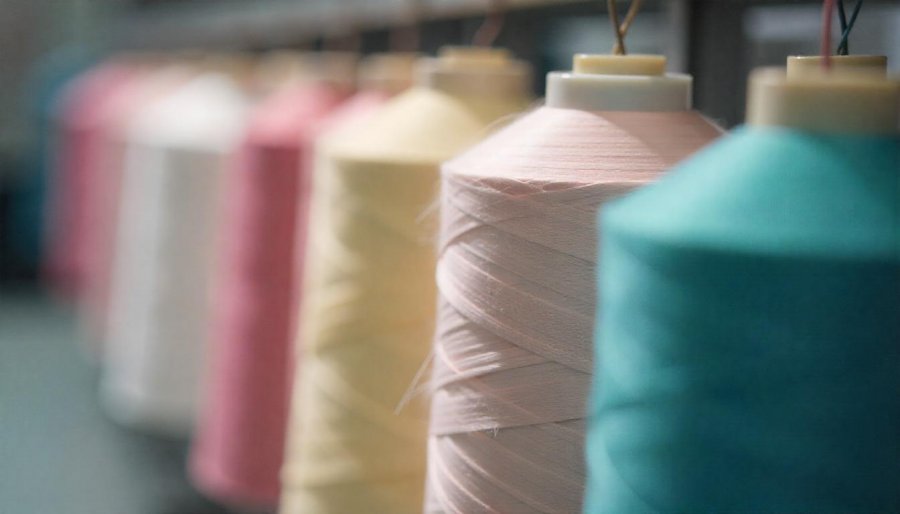
Decoding Nylon: Its Chemical Roots and Manufacturing Journey
Nylon is a synthetic fiber that plays a major role in our daily lives, used in everything from clothing and carpets to sports gear and industrial materials. Its popularity comes from its strength, elasticity, and cost-effectiveness, making it an attractive choice for manufacturers and consumers alike. Yet, behind these practical qualities lies a complex chemical makeup rooted in petrochemicals, tying nylon’s existence directly to fossil fuel resources.
Chemically, nylon belongs to the polyamide family, created through a process called polymerization. Its molecular structure consists of long chains of repeating units linked by amide bonds, which give nylon its notable durability and flexibility. The most common types, nylon 6 and nylon 6,6, are produced from different raw materials. Nylon 6 is made from caprolactam, while nylon 6,6 results from the reaction of hexamethylenediamine and adipic acid. Both these chemicals are derived from non-renewable fossil fuels like crude oil and natural gas, making nylon heavily dependent on finite resources.
The manufacturing process begins with extracting and refining hydrocarbons in refineries. These raw materials are then chemically transformed through condensation polymerization, where monomers are heated under specific conditions to form long, strong polymer chains. This process requires significant energy input and the use of catalysts, contributing to high carbon emissions. Once the polymer is formed, it is melted and extruded through tiny nozzles to produce fibers, which are then cooled, stretched, and treated to enhance their strength and elasticity.
This chemical synthesis involves multiple steps that convert raw petrochemicals into usable fibers. During the process, hexamethylenediamine and adipic acid are reacted at high temperatures, releasing water molecules as byproducts. The resulting nylon polymer is then melted and forced through fine nozzles to form fibers, which are cooled and drawn out to improve their physical properties. Each stage is energy-intensive and relies heavily on fossil fuels, embedding nylon’s production with a considerable environmental footprint.
The environmental impact doesn’t end with manufacturing. The process releases harmful chemicals, such as nitrous oxide—a potent greenhouse gas—and volatile organic compounds that escape into the atmosphere. Wastewater from factories often contains chemical residues, which, if not properly treated, can seep into nearby water sources and contaminate ecosystems. These emissions and effluents pose risks not only to the environment but also to communities surrounding manufacturing sites.
Because nylon’s raw materials are sourced from non-renewable resources, its production is inherently linked to the ongoing depletion of fossil fuels. Extracting and refining oil and natural gas involves disruptive drilling, habitat destruction, and significant greenhouse gas emissions. As demand for nylon increases, so does our reliance on these limited resources, raising questions about the sustainability of current manufacturing practices. This dependence underscores the broader challenge of balancing material needs with environmental preservation.
Recognizing how nylon’s chemical makeup and production process tie it to fossil fuel consumption helps us understand its broader environmental footprint. While its durability and affordability are undeniable, they come at a cost—one that affects ecosystems, climate, and future resource availability. This awareness fuels the search for greener alternatives and promotes more responsible manufacturing practices that could help mitigate nylon’s environmental impact.
The Lifecycle of Nylon: Environmental Impacts from Production to Pollution
Once nylon enters the market, its environmental effects continue long after manufacturing stops. Every wash releases tiny fibers—microplastics—that bypass water treatment systems and flood our oceans. Marine animals often ingest these microfibers, mistaking them for food, which can cause internal injuries, disrupt reproductive systems, and even lead to death. As these microplastics accumulate, they move up the food chain, eventually reaching humans through seafood consumption. This cycle illustrates how nylon pollution extends beyond land, harming ecosystems and human health alike.
Nylon’s durability makes it a practical choice but also means it resists natural breakdown. Discarded nylon items can persist in landfills for centuries, slowly fragmenting into microplastics that contaminate soil and water. Wildlife often ingests these tiny particles, leading to injuries or death. Toxins attached to microplastics bioaccumulate as they move through the food chain, posing risks to larger predators, including people. The long lifespan of nylon waste exacerbates the global plastic pollution crisis, highlighting the urgent need for better waste management and recycling strategies.
Production processes significantly contribute to nylon’s environmental footprint. Manufacturing consumes vast amounts of energy, primarily derived from fossil fuels like oil and natural gas. During synthesis, greenhouse gases such as nitrous oxide—an especially potent climate changer—are released into the atmosphere. Factories also emit volatile organic compounds and other pollutants that degrade air quality and harm ecosystems. Wastewater laden with chemical residues can contaminate water sources if not properly treated, further damaging local environments and communities.
The reliance on finite fossil resources intensifies nylon’s environmental impact. Extracting and refining oil and natural gas involves habitat destruction, ecosystem disruption, and considerable greenhouse gas emissions. As demand for nylon grows, so does our dependence on these limited resources, raising questions about the sustainability of current practices. This dependency underscores the broader challenge of balancing material needs with environmental preservation, pushing industries and consumers alike to reconsider their choices.
Beyond production, nylon’s long-lasting nature affects disposal and waste management. Items like clothing and carpets made from nylon can last decades but resist decomposition, lingering in landfills for hundreds of years. Over time, these products break down into microplastics, which are easily ingested by wildlife and contaminate soil and water. The ingestion of microplastics can cause injuries, reproductive issues, and death in animals, with toxins bioaccumulating and threatening entire ecosystems.
Addressing nylon’s environmental toll requires a shift toward sustainable alternatives and improved waste management. Innovations such as bio-based fibers made from renewable plant materials—like bamboo, hemp, or algae—offer biodegradable options that require fewer chemicals, water, and energy. Advanced recycling technologies, including chemical recycling that breaks nylon down into its chemical building blocks, help keep plastics in circulation and reduce reliance on virgin resources. Policies promoting recycled and eco-friendly materials can accelerate this transition, guiding industry and consumers toward more sustainable choices.
Efforts to mitigate nylon’s impact also involve industry-wide changes. Cleaner production methods, stricter emissions standards, and transparency through certification programs encourage brands to adopt responsible practices. Supporting a circular economy—where materials are reused, recycled, or regenerated—can significantly reduce waste and resource depletion. Public awareness and consumer support for sustainable products further drive industry innovation, making eco-friendly nylon alternatives more accessible and mainstream. Together, these strategies can help lessen nylon’s environmental footprint and promote a healthier planet.
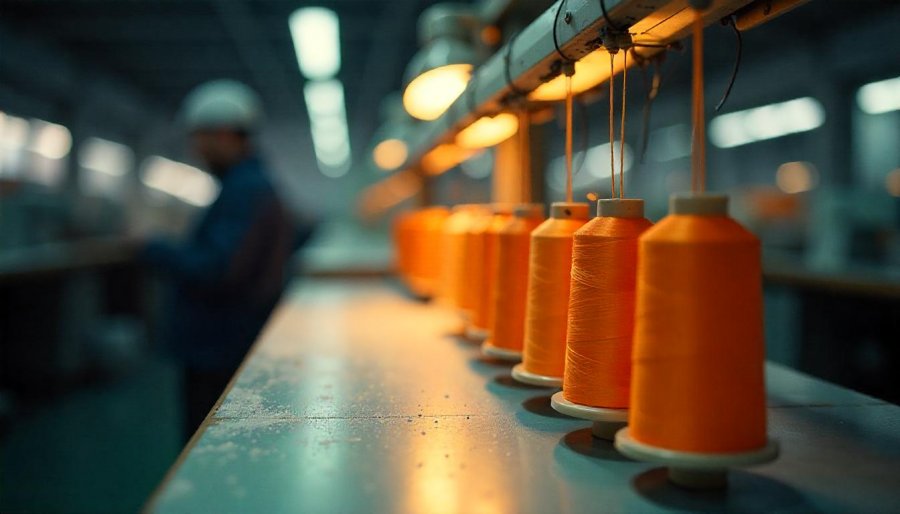
Innovating for a Greener Future: Sustainable Alternatives and Industry Solutions
To move toward a more sustainable future, the textile industry is exploring a variety of strategies and innovations aimed at reducing nylon’s environmental footprint. One promising approach involves developing bio-based fibers made from renewable plant materials such as bamboo, hemp, and organic cotton. These alternatives naturally biodegrade and typically require fewer chemicals, water, and energy during cultivation and processing. Researchers are also experimenting with bio-polymers derived from algae or agricultural waste, which can produce durable fibers comparable to nylon but with a significantly lower environmental impact. These options are gaining momentum because they help maintain the performance and versatility we expect from textiles while reducing dependence on finite fossil fuel resources.
Recycling technology plays a crucial role in creating a circular economy for nylon. Mechanical recycling involves collecting used nylon products, cleaning, and melting them down to produce new fibers. Although effective, this method can sometimes degrade the quality of the recycled material. Chemical recycling offers a different approach: it breaks nylon back into its raw chemical components, allowing manufacturers to produce high-quality recycled fibers that are virtually indistinguishable from virgin nylon. Advances in these technologies are making recycling more scalable and cost-effective, encouraging industries to adopt more sustainable practices. Increased investment and supportive policies are helping recycled nylon shift from niche applications to mainstream use, significantly reducing waste and conserving resources.
Policy measures are vital as well. Governments can implement stricter regulations on emissions and waste management during production, incentivizing companies to adopt cleaner technologies. Offering tax breaks or subsidies for using recycled or bio-based materials can accelerate the industry’s shift away from fossil fuels. Consumer demand also remains a powerful force—by choosing products made from recycled fibers or sustainable alternatives, shoppers influence brands to prioritize environmental responsibility. Transparent labeling and public awareness campaigns further empower consumers to make informed, eco-friendly choices, creating a market that rewards sustainability.
Innovations in material science continue to open new pathways. Researchers are developing bio-based fibers from algae, agricultural waste, and even genetically engineered plants designed to produce stronger, more eco-friendly fibers. These materials often require less water, fewer chemicals, and less energy to produce, and they naturally biodegrade after disposal. The concept of a circular economy, where materials are reused, recycled, or regenerated rather than discarded, is gaining traction. Brands that design products for easy disassembly and recycling or incorporate recycled content are leading the way toward a less wasteful industry. This shift demonstrates that sustainable manufacturing involves rethinking entire supply chains and product designs, not just replacing raw materials.
Responsible manufacturing practices are also essential. Companies are adopting cleaner production methods, reducing chemical use, and managing waste more effectively to minimize pollution. Many are implementing closed-loop systems that recycle wastewater and chemical residues, significantly cutting emissions and effluents. Industry standards and certification programs foster transparency and accountability, encouraging brands to meet higher environmental benchmarks. These efforts not only lessen ecological impacts but also build trust with consumers increasingly seeking brands committed to sustainability. When industry players collaborate to raise standards and share innovations, progress accelerates toward a greener, more responsible textile sector.
Reducing nylon’s environmental impact ultimately depends on collective effort. Investment in green materials and recycling technologies must be matched by policies that incentivize sustainable practices. Consumer support for eco-friendly products drives industry change, shaping a future where environmental responsibility is standard. Transitioning to a circular, low-impact textile industry is a complex process, but with persistent innovation and shared commitment, it’s within reach. This shift benefits not only ecosystems and climate stability but also ensures resources are available for future generations, making sustainability a shared goal that requires ongoing dedication from all sectors involved.