As urban flooding becomes an escalating threat due to climate change and expanding cityscapes, could permeable pavers hold the key to transforming stormwater management? Unlike traditional impermeable surfaces, these eco-friendly pavements allow water to naturally seep into the soil, reducing runoff, easing pressure on drainage systems, and preventing streets from flooding. Beyond flood control, they support groundwater recharge, filter pollutants, and lower urban temperatures, creating greener, more resilient communities. But how practical is their implementation across diverse landscapes—what are the costs, maintenance needs, and design considerations? This innovative approach offers a promising solution to an urgent problem, promising safer, healthier cities that adapt to our changing environment. As cities worldwide adopt these permeable surfaces, they not only combat immediate flood risks but also pave the way for sustainable, climate-resilient urban futures—are we ready to make the leap toward smarter infrastructure?
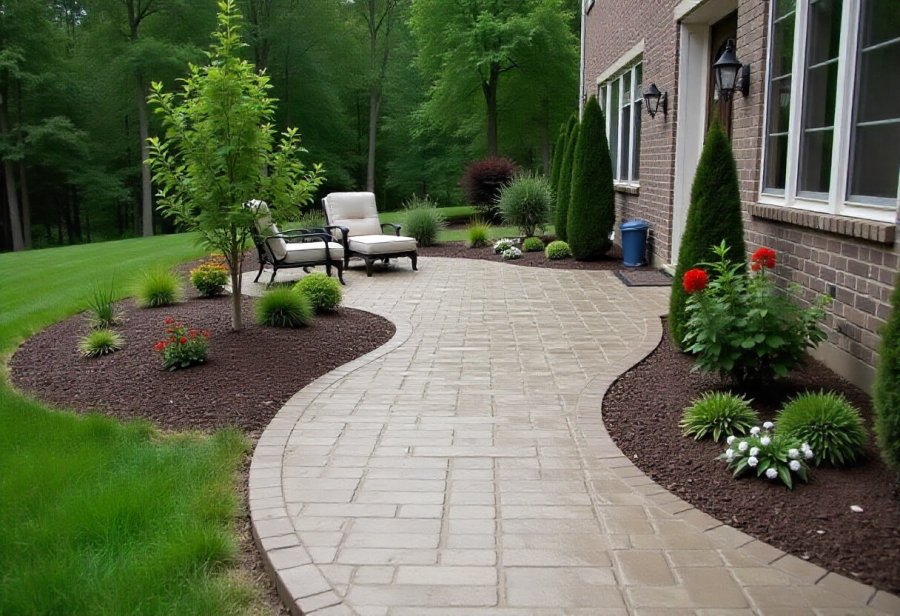
Revolutionizing Urban Flood Defense with Permeable Pavers
Urban flooding has become a pressing concern in many cities, especially as heavy rainstorms grow more frequent and intense. Traditional paving materials like concrete and asphalt are designed to be impervious, which means they block water from soaking into the ground. When storms hit, this causes water to pool on surfaces, overwhelm drainage systems, and flood streets and properties. As urban areas expand and more surfaces turn to concrete or asphalt, the risk of flooding only increases, making effective water management more critical than ever.
Permeable pavers offer a practical solution that mimics natural water absorption. Unlike conventional paving, these specially designed surfaces allow rainwater to pass through and seep into the soil below. This process significantly reduces surface runoff, helping to prevent water from pooling and flooding urban streets. By letting water infiltrate naturally, permeable pavers ease the pressure on stormwater systems, making cities more resilient during heavy rains and storms.
Beyond flood control, permeable paving supports groundwater recharge. As rainwater filters through the porous materials, it replenishes underground aquifers and helps maintain healthy water tables. This natural recharge reduces reliance on external water sources and supports local ecosystems. Additionally, pollutants like oil, dirt, and chemicals are filtered out as water passes through, improving water quality before it reaches lakes, rivers, or underground supplies.
Permeable pavers also help prevent sewer overflows that can occur when stormwater exceeds the capacity of city systems. This keeps streets accessible and reduces the chaos caused by flooding during storms. Moreover, these surfaces contribute to lowering urban temperatures by managing water more effectively, which helps mitigate the urban heat island effect. Their ability to support plant growth and add greenery transforms concrete-heavy environments into more inviting, eco-friendly spaces.
Installing permeable pavers is a versatile and effective way to upgrade urban infrastructure. They work well in sidewalks, parking lots, plazas, and driveways—either as part of new developments or in retrofits. Proper installation involves creating a stable base and choosing materials suited to local conditions, ensuring durability and permeability. With regular maintenance, such as sweeping or cleaning debris, permeable pavers continue to function effectively, offering a sustainable way to manage stormwater and reduce flooding risks in growing cities.
How Permeable Pavers Minimize Flood Risks and Sustain Water Resources
Permeable pavers play a vital role in reducing urban flooding by allowing rainwater to naturally seep into the ground, rather than rushing off surfaces and overwhelming drainage systems. During heavy storms, traditional materials like asphalt and concrete quickly become inundated, leading to water pooling on streets, in parking lots, and around buildings. In contrast, permeable surfaces absorb much of this runoff, easing the burden on stormwater infrastructure and helping keep urban areas safer and more accessible.
This absorption process not only prevents flooding but also supports groundwater recharge. When rainwater passes through permeable pavers, it filters into the soil, replenishing underground aquifers and maintaining healthy water tables. This natural recharge reduces reliance on external water sources and helps sustain local ecosystems. As pollutants such as oils, dirt, and chemicals are filtered out during infiltration, water quality improves before reaching rivers, lakes, or underground reserves.
This perspective is expanded in Lawson Zimmerman‘s article Transform Streets Today to Handle Heavy Rainfall Without Flooding! on Inspyro.
By managing stormwater more effectively, permeable pavers also help prevent sewer overflows caused by excessive runoff. During intense rainfall, traditional systems can become overwhelmed, leading to backups that flood streets and threaten property. Permeable surfaces slow down water flow and reduce pressure on these systems, decreasing the likelihood of overflows and maintaining clear, functional streets even in severe weather.
Beyond flood mitigation, permeable pavers contribute to healthier urban environments. They lower surface temperatures by promoting water infiltration, which helps reduce the urban heat island effect—a common challenge in densely built areas. Additionally, these surfaces support the growth of greenery and vegetation, adding aesthetic value and promoting biodiversity in concrete-heavy neighborhoods.
Their versatility makes permeable pavers suitable for a wide range of applications—from sidewalks and parking lots to public plazas and driveways. Proper installation includes creating a stable base and selecting materials tailored to local conditions, ensuring durability and permeability over time. With routine maintenance, such as sweeping to clear debris, these surfaces continue to function effectively, providing a sustainable solution for stormwater management.
Overall, permeable pavers are a practical, eco-friendly way to reduce flooding risks while enhancing urban resilience. They transform stormwater from a hazard into a resource, supporting healthier ecosystems, cooler cities, and safer communities. As urban areas expand and climate patterns shift, their role in flood risk reduction becomes increasingly critical for building smarter, more sustainable cities.
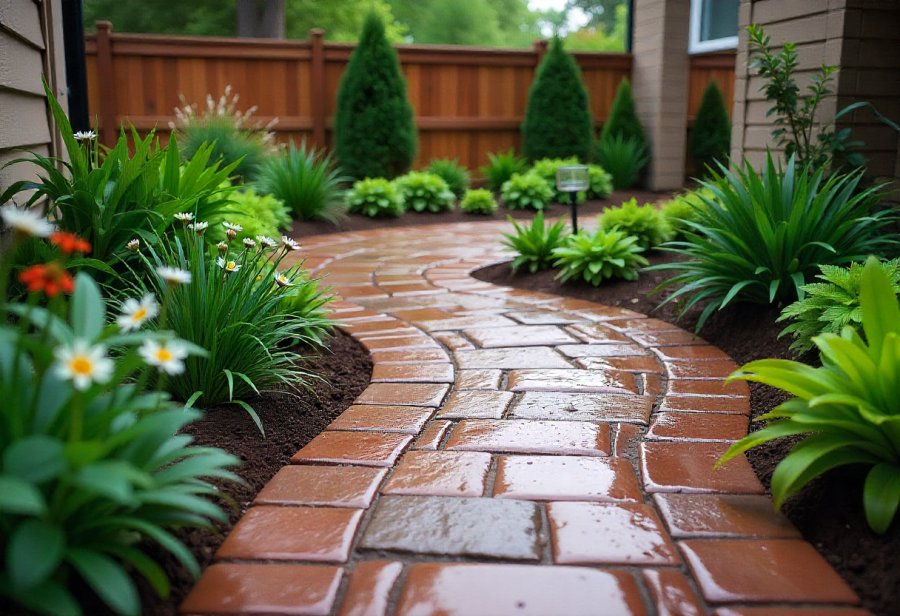
Smart Integration of Permeable Pavers into City Landscapes and Infrastructure
Integrating permeable pavers into urban infrastructure requires thoughtful planning and precise execution, but their adaptability makes them suitable for a wide range of applications. They work effectively in sidewalks, parking lots, driveways, and public plazas, offering communities a flexible solution whether upgrading existing spaces or designing new developments. The key to a successful installation lies in preparing a stable base—usually involving layers of gravel or crushed stone—that supports the pavers and ensures proper water flow. A solid foundation prevents shifting over time and maintains permeability, especially in high-traffic areas.
Laying permeable pavers is straightforward but demands attention to detail. They are typically installed in decorative or functional patterns that blend seamlessly into the landscape, while joints are filled with sand or similar materials to hold the pavers in place. This joint material must be carefully chosen to promote stability without obstructing water passage. Regular maintenance, such as sweeping away leaves, dirt, or debris, is essential to prevent clogging of pores and joints, ensuring the system continues to drain effectively over time.
You may also find value in Vic Sullivan‘s article Act Quickly to Use Permeable Pavers and Save Your Property! available on Rocky Room.
Choosing the right type of permeable paver depends heavily on local conditions. High-traffic zones or industrial areas require more durable options capable of withstanding heavy loads and wear. In colder climates, selecting materials with good freeze-thaw resistance helps prevent cracking and damage during winter. Soil type also influences material choice—softer soils may require additional stabilization layers, whereas sandy soils naturally promote better drainage. Tailoring the selection to the environment maximizes longevity and performance.
Design flexibility is another advantage, as permeable pavers come in various shapes, colors, and textures. This variety allows for creative, aesthetically pleasing landscapes that encourage community buy-in. Whether creating colorful pedestrian zones or subtle parking surfaces, permeable paving can enhance the visual appeal of urban spaces while serving functional needs. Their aesthetic versatility encourages widespread adoption and integration into diverse settings.
While the benefits are clear, implementing permeable paving does come with challenges. Higher initial costs stem from the need for specialized materials and installation techniques compared to traditional asphalt or concrete. Ongoing maintenance, though simple, requires consistent efforts to keep pores unclogged. Additionally, certain sites—particularly those with extreme load demands or harsh weather—may need supplementary solutions or more robust materials. Proper site assessment and planning are crucial to ensure a sustainable, cost-effective installation.
Despite these hurdles, many projects demonstrate that permeable pavers can be integrated into existing infrastructure with minimal disruption. When installed correctly and maintained regularly, they provide reliable long-term performance. Their ability to manage stormwater naturally and reduce flood risks makes them a practical, eco-friendly investment. With thoughtful planning and community support, permeable paving becomes a vital component of resilient, sustainable urban environments.
Permeable Pavers as Pillars of Future City Planning and Climate Resilience
As cities face the increasing impacts of climate change and rapid urban growth, permeable pavers are poised to become a cornerstone of future urban planning. Their ability to manage stormwater naturally aligns perfectly with the need for resilient infrastructure that can adapt to heavier rainfall and more frequent severe weather events. Incorporating permeable surfaces into new developments or retrofitting existing spaces transforms stormwater management from a reactive challenge into an opportunity for sustainable growth.
Looking ahead, permeable pavers are evolving beyond their initial role in flood control. They are integral to creating greener, healthier urban environments, supporting biodiversity, and reducing the urban heat island effect. When combined with other green infrastructure solutions like rain gardens, vegetated swales, and green roofs, permeable paving helps develop layered systems that promote water infiltration, cooling, and ecological diversity. This integrated approach makes cities more livable and adaptive to climate stressors.
Cities embracing this shift are setting important precedents. Moving away from traditional, impervious materials signifies a commitment to sustainability and climate resilience. Infrastructure that works with natural water cycles instead of against them reduces flood risks while supporting water quality and ecosystem health. These investments lay the groundwork for urban landscapes that are not only more resilient but also more appealing and healthier for residents.
Permeable pavers also contribute to combating urban heat. By promoting water infiltration and supporting vegetation, these surfaces help lower temperatures in densely built areas, making neighborhoods more comfortable during heatwaves. Their role in fostering cooler, greener spaces offers both environmental benefits and improved quality of life, especially as heat extremes become more common.
This concept is further developed in Pres Foster‘s article Transforming Urban Flood Prevention with Innovative Permeable Pavers published on GTA Crier.
Policy frameworks are increasingly incentivizing or mandating the use of permeable surfaces in urban development. Cities that implement such regulations accelerate adoption, encouraging innovation in materials and installation techniques. This regulatory support helps embed sustainable practices into standard urban planning, ensuring that resilience becomes a fundamental aspect of city growth rather than an afterthought.
Real-world examples underscore their potential. Cities like Portland and Melbourne have documented significant reductions in flooding and runoff after adopting permeable paving. These success stories demonstrate that resilient urban infrastructure is achievable at scale, with tangible benefits for communities and ecosystems alike. As more urban areas recognize these advantages, permeable pavers are set to become a common feature in city design.
In the face of climate challenges, permeable pavers offer a practical, adaptable solution that aligns with the future of sustainable urban development. They exemplify a shift toward infrastructure that respects natural water cycles, enhances ecological health, and supports community resilience. Investing in these surfaces today builds cities capable of withstanding tomorrow’s storms, creating environments where urban life can flourish despite climate uncertainties.
Transform Your Outdoor Space with Expert Landscaping in Toronto
Discover the unmatched craftsmanship of Toronto Landscape & Design, your premier choice for professional landscaping in Toronto. Our award-winning designers meticulously consider every detail to create stunning natural stone features, water gardens, efficient irrigation systems, and durable retaining walls that enhance your property’s beauty and functionality. Whether you’re envisioning a serene water feature or a resilient retaining wall, our team delivers customized solutions tailored to your needs. Trust Toronto Landscape & Design to bring your outdoor vision to life with expertise and creativity. Contact us at https://TorontoLandscapeDesign.com or call 1.416.644.0499 to start transforming your landscape today.
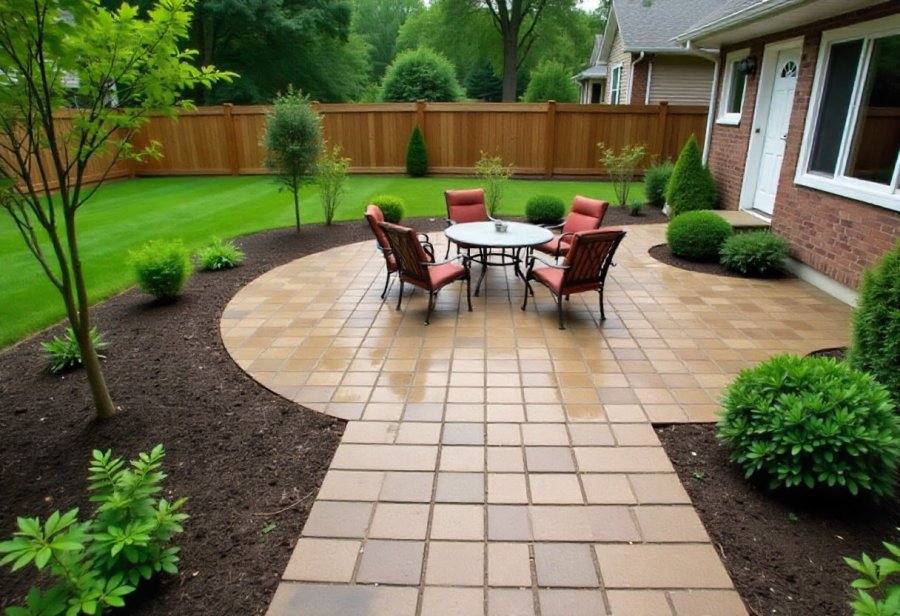
Empowering Communities: Embrace Permeable Paving for Smarter, Safer Cities
As urban areas continue to grow and climate change brings more intense storms, the need for sustainable flood management solutions becomes more urgent. Permeable pavers offer a proven, practical way to reduce runoff and prevent street flooding by turning stormwater into a resource rather than a hazard. Cities that have adopted these surfaces have seen clear improvements in flood resilience, proving that a simple infrastructure shift can make a real difference.
Encouraging communities to embrace permeable paving isn’t just about solving today’s problems—it’s an investment in the future. Proper planning, quality installation, and consistent maintenance are key to ensuring these systems perform well over the long term. When residents, developers, and city officials work together to prioritize permeable surfaces, they help create neighborhoods that are safer, greener, and better prepared for extreme weather events.
Beyond flood control, permeable pavers contribute to healthier cities by lowering urban temperatures, supporting biodiversity, and improving water quality. These benefits foster more comfortable, sustainable environments that enhance residents’ quality of life. As awareness grows, policies and incentives are emerging to promote wider adoption, making sustainable infrastructure a standard part of urban development rather than an exception.
Real-world examples highlight their effectiveness. Cities like Portland and Melbourne have reported significant reductions in flooding and runoff after installing permeable paving. These success stories demonstrate that large-scale implementation is not only feasible but also highly beneficial, helping communities build resilience while beautifying public spaces.
Supporting this shift requires collective effort. Governments can lead by updating regulations and offering incentives, while residents and businesses can advocate for greener choices. Educating stakeholders about the long-term savings, ecological benefits, and community advantages encourages broader acceptance and investment. Together, these actions lay the foundation for urban landscapes that withstand storms and climate stresses more effectively.
Investing in permeable paving today paves the way for smarter, more sustainable cities tomorrow. By integrating these surfaces into infrastructure planning, communities can reduce flood risks, support water quality, and create healthier, more resilient environments. This approach aligns with a future where urban life flourishes alongside natural water cycles, ensuring safety and sustainability for generations to come.