What if true leadership isn’t about external conquest but the mastery of inner discipline? This exploration reveals how figures like Marcus Aurelius exemplify that lasting influence comes from resilience, wisdom, and self-control—virtues cultivated through daily reflection, mindfulness, and philosophical reflection. In a world obsessed with outward achievements, the timeless lesson emerges: inner strength governs stability in chaos, inspiring genuine trust and moral authority. Leaders who harness internal virtues—patience, humility, perseverance—create legacies that endure beyond fleeting triumphs. Drawing on historical and modern examples, the content invites readers to consider how developing inner resilience transforms volatile circumstances into opportunities for growth. Can cultivating this inner empire become the foundation for authentic leadership today? The journey to mastery within promises not only personal fulfillment but a leadership style rooted in integrity, inspiring unwavering influence across generations.
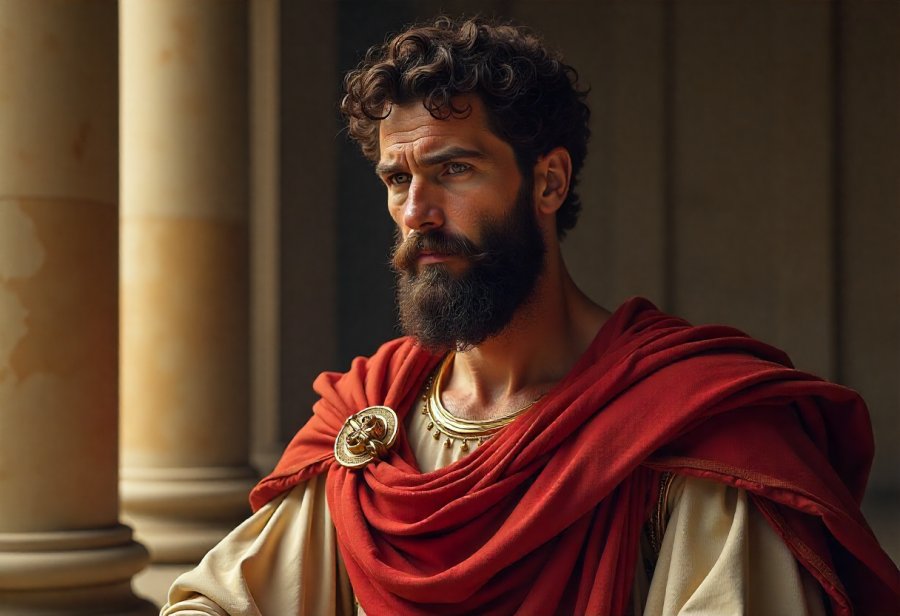
Inner Power Over External Domination: The True Essence of Leadership
Leadership has often been associated with outward displays of power—conquering territories, accumulating wealth, or commanding through force. These visible signs can be impressive, but they don’t tell the whole story. Beneath the surface, genuine influence often comes from something less flashy: inner discipline. This inner strength isn’t about shouting the loudest or wielding the biggest sword; it’s about mastering oneself, staying focused amid chaos, and developing resilience from within.
Leaders who prioritize this inner resilience can navigate challenges more clearly and inspire others not through dominance, but through example. This shift from external achievements to inner virtues changes the conversation about what truly makes a leader influential. Inner discipline involves regulating thoughts, emotions, and actions through self-control and awareness. It’s about creating a stable internal foundation that guides behavior, especially when circumstances become difficult or unpredictable.
Rather than suppressing feelings, inner discipline encourages understanding and transforming impulses into deliberate choices. When leaders develop this kind of strength, their consistency, authenticity, and resilience grow, making them more trustworthy and inspiring. Throughout history, some of the most respected leaders have embodied this inner discipline. Marcus Aurelius, the Roman emperor and philosopher, exemplifies this approach—his writings reveal a man committed to understanding himself and controlling his reactions, even amid wars, political unrest, and personal loss.
This internal focus isn’t just philosophical; it’s practical. Developing inner resilience involves daily habits like reflection, mindfulness, and philosophical reflection. These routines help leaders stay connected to their core values and respond thoughtfully rather than react impulsively. Over time, they build a mental fortitude that allows them to remain steady and clear-headed, even when external chaos threatens to overwhelm them. Inner discipline becomes a vital tool for effective leadership, rooted in mastery over oneself.
Figures like Nelson Mandela and Mahatma Gandhi remind us that resilience and moral clarity can inspire profound change. Their ability to stay true to their principles in adversity created legacies that last generations. These examples highlight that influence rooted in inner strength is more durable than superficial displays of power. Cultivating this inner discipline isn’t easy, but it’s a journey worth undertaking for anyone committed to lasting leadership.
Marcus Aurelius: The Philosopher King’s Inner Discipline as a Model for Lasting Power
Marcus Aurelius exemplifies how inner discipline can surpass external conquest in leadership. Throughout his reign, he faced wars, political upheavals, and personal hardships, yet his responses remained rooted in self-mastery and philosophical reflection. Unlike many rulers driven by the desire for glory through military victories or territorial gains, Marcus prioritized wisdom and virtue as the true measures of strength. His writings in *Meditations* reveal a man committed to understanding himself, controlling his emotions, and acting with moral clarity amid chaos. This inward focus allowed him to govern with humility and calm, demonstrating that genuine power lies in mastery over one’s mind and character rather than in external displays of force.
His leadership style underscores the idea that internal discipline endures beyond fleeting military achievements. Marcus’s role as a philosopher-king wasn’t just about wielding authority; it was about embodying virtues like patience, justice, and humility. Even during military campaigns, he maintained a reflective stance, viewing each challenge as an opportunity to practice virtue. His ability to stay calm and centered under pressure highlighted the importance of inner resilience. Rather than reacting impulsively or seeking personal gain, Marcus focused on moral clarity, earning respect from his contemporaries and history alike. His example shows that influence rooted in internal strength can outlast external conquest.
The *Meditations* serve as a manual for inner discipline, emphasizing that external events are beyond our control, but our responses are within our power. Marcus understood that setbacks and chaos are inevitable, but how we face them defines us. His unwavering resolve in the face of personal loss, invasions, and political intrigue demonstrated a steadfast commitment to Stoic principles. Each obstacle became an internal challenge, and his mastery over reactions reinforced his moral authority. This internal resilience inspired loyalty and trust, making his influence more enduring than any military victory.
Marcus’s life also highlights the value of daily routines—journaling, meditation, and philosophical reflection—that kept him connected to his core values. These practices helped him respond thoughtfully rather than react impulsively, even in moments of crisis. Over time, this steady inner work cultivated a resilient mindset capable of withstanding external chaos. His leadership reminds us that internal virtues like patience, humility, and perseverance shape a leader’s true power, often more lasting than external achievements.
His example continues to resonate because it proves that lasting influence is rooted in inner discipline. Marcus’s ability to govern both an empire and his own mind with dignity underscores that genuine strength is internal. Leaders who cultivate self-awareness and moral clarity build a foundation that remains firm in turbulent times. His legacy teaches that external conquest may fade, but the internal virtues of resilience and wisdom forge a leadership that endures across ages. Marcus Aurelius’s life invites us all to see that the greatest empire we can build is within ourselves.
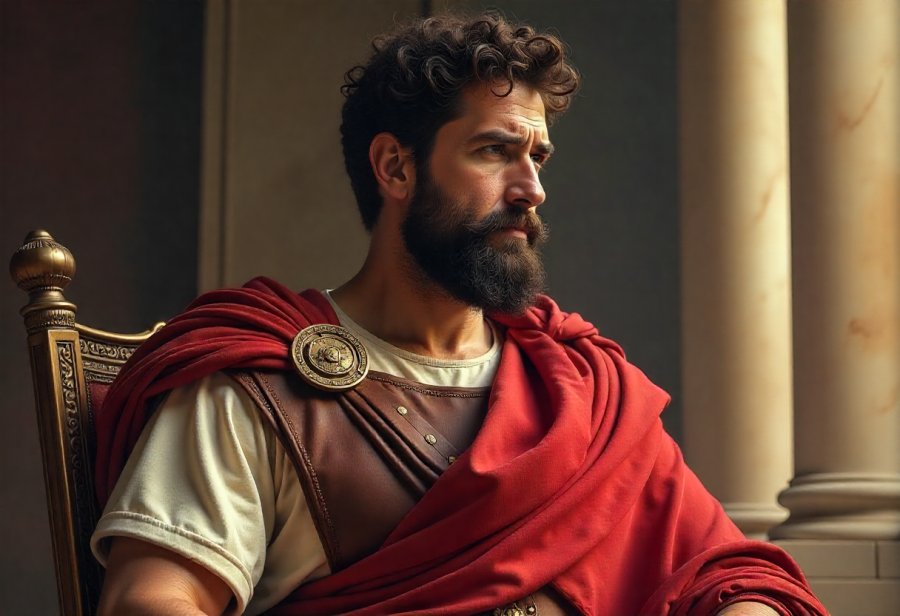
Harnessing Modern Practices to Cultivate Inner Resilience Inspired by Marcus Aurelius
Cultivating inner discipline today starts with establishing simple, consistent habits that strengthen self-control and mental resilience. Beginning your day with a few minutes of reflection, meditation, or journaling can set a calm, focused tone, helping you reconnect with your core values before the chaos of the day unfolds. These routines act as an internal anchor, making it easier to navigate challenges with clarity and purpose when external pressures mount. Over time, small daily actions build a solid foundation that keeps you grounded amid uncertainty.
Practicing mindfulness throughout the day is another powerful way to develop inner discipline. Pausing for a deep breath and observing your thoughts and emotions without immediate reaction creates space between impulse and response. This habit allows you to choose deliberate actions instead of falling into knee-jerk reactions, whether at work or in personal relationships. Mindfulness helps you maintain composure and clarity, reinforcing your capacity to respond thoughtfully even during stressful moments.
Incorporating philosophical ideas, like Stoic principles, can deepen your understanding of inner strength. Reading texts that emphasize controlling what’s within your power and accepting what’s outside it shifts your perspective. Reflecting on these ideas regularly, through journaling or discussion, turns setbacks into opportunities for growth rather than sources of frustration. This philosophical mindset encourages viewing external obstacles as internal challenges, much like Marcus Aurelius did, strengthening your resilience over time.
Building mental toughness also involves intentionally exposing yourself to discomfort. Cold showers, challenging workouts, or delaying gratification are simple acts that train your mind to withstand difficulty calmly. These small acts of voluntary hardship strengthen your capacity to stay centered under pressure and help you see discomfort as a tool for growth. Over time, these habits cultivate a resilient inner state, making it easier to handle setbacks with patience and confidence.
Creating an environment that supports discipline is equally important. Reducing distractions, setting clear goals, and finding accountability partners reinforce your commitment. Sharing your intentions with others can boost motivation, while removing temptations makes maintaining routines easier. When your environment aligns with your inner discipline efforts, external chaos becomes less likely to derail your progress. This synergy helps sustain focus and resilience, making inner strength a natural part of your leadership style.
Experts and Legends: Insights on Building Inner Strength for Effective Leadership
Modern thinkers and leadership experts increasingly emphasize that inner strength is the cornerstone of effective leadership today. Ryan Holiday, author of *The Obstacle Is the Way*, highlights resilience, self-control, and mental fortitude—traits rooted in Stoic philosophy—that help leaders stay calm and purposeful amidst uncertainty. He illustrates how turning obstacles into opportunities not only builds character but also reinforces the idea that true power comes from within, not external displays.
Brené Brown adds depth by stressing vulnerability and self-awareness as essential components of inner resilience. She advocates for embracing imperfections and practicing authenticity, especially during tough times. Leaders who cultivate vulnerability alongside inner discipline foster genuine trust and connection, making their influence more sustainable and rooted in integrity rather than superficial charm or fear.
Leadership scholars also point out that inner discipline enhances moral authority. When leaders develop self-awareness and emotional regulation, they earn trust through consistency and honesty. These qualities often get overlooked in favor of tactical skills, but they form the backbone of lasting influence. Leaders who act with integrity and clarity inspire loyalty because their actions align with their principles—creating a foundation that’s hard to undermine.
Historical examples reinforce this perspective. Nelson Mandela’s resilience during decades of imprisonment exemplifies how inner discipline sustains purpose and dignity. Mahatma Gandhi’s unwavering commitment to nonviolence and moral conviction mobilized millions and left a legacy rooted in internal virtues. These stories show that internal virtues—like perseverance and moral clarity—shape leaders who leave enduring marks on history far beyond any external achievements.
Many experts recommend daily routines to strengthen inner discipline. Practices such as journaling, meditation, or reflective thinking serve as mental workouts that keep leaders aligned with their core values. Regular engagement with philosophical ideas, especially Stoic principles, encourages viewing setbacks as opportunities for growth. This mindset shift turns external challenges into internal catalysts for resilience, gradually building mental toughness that endures over time.
Facing discomfort intentionally—whether through challenging workouts, cold exposure, or delaying gratification—also plays a key role. Such acts train the mind to stay calm and focused under pressure, transforming discomfort into a tool for growth. Over time, these habits cultivate a resilient inner state, making it easier to maintain composure and clarity amid external chaos.
In essence, cultivating inner strength through these practices creates a leadership style rooted in authenticity and moral clarity. It’s about developing a steady core that can withstand life’s storms, inspiring others not through superficial displays but through genuine resilience and wisdom. This internal foundation ensures that influence is durable, impactful, and truly lasting.
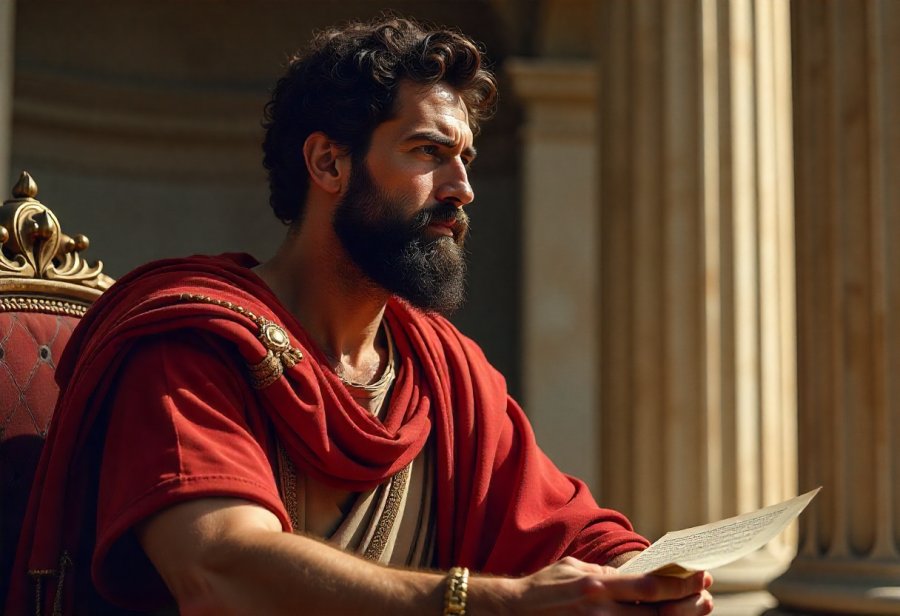
The Path to Enduring Leadership: Embracing Inner Discipline as the Foundation for Lasting Impact
Inner discipline isn’t just an ideal; it’s the foundation for leadership that endures. Leaders who cultivate self-control, wisdom, and resilience build influence rooted in integrity and moral clarity—qualities that remain steady even when external circumstances shift or challenges intensify. When chaos and uncertainty arise, it’s that inner strength that keeps leaders grounded, guiding their decisions with calm purpose rather than reactive emotion. This internal foundation acts as a moral compass, helping leaders act ethically and stay true to their values, even when external rewards or recognition are scarce.
Looking to figures like Marcus Aurelius, Nelson Mandela, and Gandhi, we see that lasting legacies are built from within. Their ability to stay centered amid adversity created powerful examples of inner discipline shaping lasting impact. External conquests fade, but internal virtues—patience, perseverance, humility—forge influence that outlives any fleeting achievement. Developing these qualities requires ongoing effort, but the rewards—trust, loyalty, respect—are worth every step.
Building inner discipline is a gradual process. Small daily habits—reflection, mindfulness, facing deliberate hardships—compound over time, strengthening mental resilience. These routines keep us aligned with core values, enabling us to respond thoughtfully instead of impulsively. Over time, they cultivate a mindset rooted in purpose and calm—crucial traits for authentic leadership. Patience and self-compassion are key; setbacks are part of the journey, not signs of failure. Each challenge faced with discipline deepens inner strength and widens our capacity to lead with clarity.
The path forward involves recognizing that external power is fleeting, but inner discipline offers a constant anchor. Leaders who prioritize developing their inner lives inspire trust and loyalty that withstand external upheavals. This isn’t a one-time effort but a lifelong commitment to growth. Regular reflection, deliberate practice, and moral clarity lay the groundwork for resilience that endures. When inner strength is cultivated daily, influence becomes authentic and lasting.
Leadership rooted in inner discipline also prepares us for today’s complex, fast-changing world. When we invest in our inner resilience, setbacks transform from threats into opportunities for growth. This shift in perspective allows us to navigate uncertainty with confidence, inspiring others to do the same. Leading from within creates a ripple effect—strengthening not just ourselves but also those we serve and lead.
The journey toward inner discipline asks for patience and perseverance. It’s about making intentional choices every day—small acts of reflection, facing discomfort, staying true to values—that build a resilient core over time. Each effort adds up, shaping a leadership style that’s characterized by authenticity, moral clarity, and calm strength. These qualities ensure that our influence remains genuine, impactful, and enduring.
Ultimately, leadership rooted in inner discipline shapes a better future—not just for ourselves but for those we influence. It’s about leaving a legacy founded on integrity, resilience, and purpose—traits that stand the test of time. By nurturing self-awareness and moral clarity daily, we create a foundation that empowers us to lead through chaos and change, inspiring others to do the same. This ongoing commitment to inner growth transforms leadership from a fleeting position into a lasting legacy.