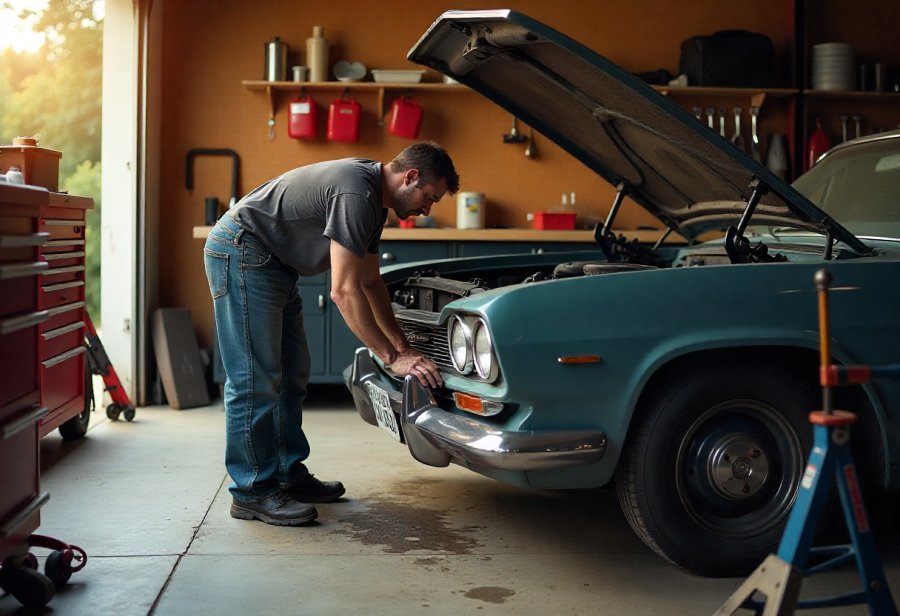
Step back into the roaring heart of the 1970s muscle car era with the Chevrolet SS—an icon of raw power and daring style that defined a generation. These cars weren’t just transportation; they were expressions of rebellion, freedom, and individuality, fueled by legendary big-block engines and bold, aggressive designs. Their thunderous roar, vibrant colors, and unmistakable presence evoke nostalgia and inspire awe. But beneath the swagger lay challenges—rising fuel prices, stricter safety and environmental regulations, and societal debates about excess and responsibility. How did these icons of American ingenuity adapt in a changing world? Today, their legacy persists, shaping modern performance cars and captivating enthusiasts through restoration and pop culture influence. The question remains: can the spirit of these muscle cars—embodying daring and innovation—continue to drive future automotive design and culture? Their story is a testament to pushing boundaries and leaving a lasting mark, inviting us all to embrace boldness and craft our own legacy.
Unleashing the Legend: The 1970s Chevrolet SS and Its Cultural Impact
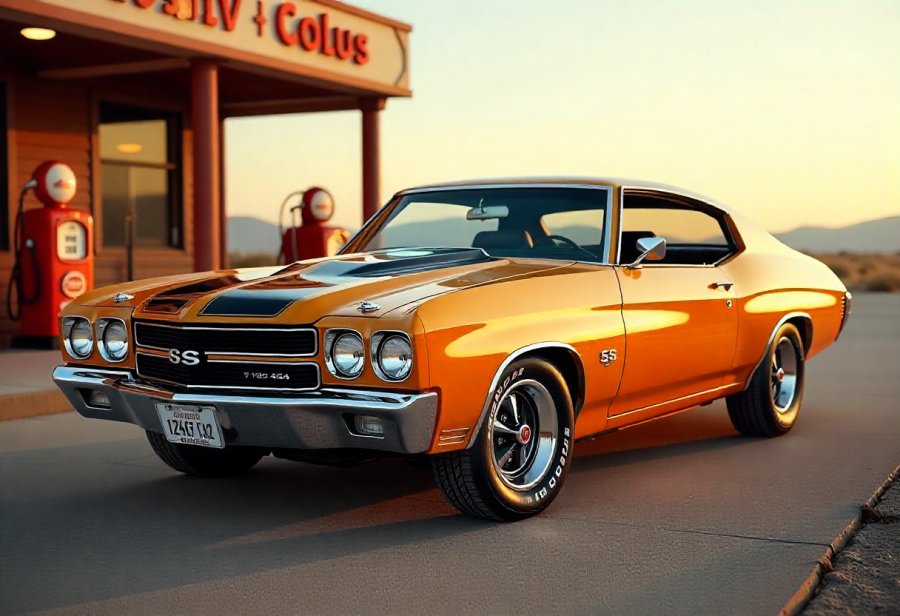
The 1970s Chevrolet SS stands as a defining symbol of the muscle car era, capturing the boldness and raw power that made American cars legendary. These vehicles weren’t just about getting from point A to B; they were about making a statement on wheels. With their aggressive styling and commanding presence, the Chevrolet SS models became icons of freedom, rebellion, and speed. They embodied a spirit of daring that resonated with a generation eager to express individuality through performance.
This era saw models like the Chevelle SS 454 rise to prominence, setting a new standard for American muscle. Powered by legendary big-block V8 engines, these cars delivered impressive horsepower and thunderous exhaust notes that transformed everyday driving into an adrenaline-fueled experience. Their reputation wasn’t solely built on numbers but also on the cultural mood of the time—an age when cars reflected personality, attitude, and a desire to push boundaries.
Design-wise, the Chevrolet SS made a visual statement. Its wide stance and low profile suggested power and agility, while features like cowl-induction hoods hinted at the beast beneath. Bright colors such as Hugger Orange and Bright Blue, accented with racing stripes, made these cars impossible to ignore on the road. Chrome bumpers and trim added a touch of shine, contrasting with muscular body lines and sharp angles that radiated speed and strength.
Under the hood, engine options like the 454 big-block produced around 450 horsepower, capable of accelerating from zero to 60 mph in just over six seconds. These vehicles paired their formidable engines with four-speed manual or sturdy three-speed automatic transmissions, offering a visceral driving experience that combined power with control. The Chevrolet SS wasn’t just a machine; it was a cultural icon built to command respect both on the street and at the strip.
More than just engineering feats, these cars played a significant role in shaping the cultural landscape of the muscle car era. They symbolized independence, daring, and a rebellious attitude that inspired music, movies, and a lifestyle centered around adventure. Today, the legacy of the Chevrolet SS endures, reminding us of a time when horsepower was king and driving was an act of expression and freedom.
Nostalgia in Motion: How the Chevrolet SS Defines the Muscle Car Spirit
The Chevrolet SS of the 1970s isn’t just a car; it’s a powerful symbol of American muscle car nostalgia. Its thunderous engine roar, bold design, and unrestrained performance evoke a deep sense of freedom and rebellion that still resonates with enthusiasts today. These vehicles go beyond mere transportation—they embody an attitude rooted in independence, daring, and the thrill of pushing limits. For many, they represent more than a machine; they are a tangible link to a golden age when horsepower and style defined a lifestyle.
Muscle car nostalgia runs deep in American automotive culture, and the Chevrolet SS stands out as a quintessential icon of that era. Its aggressive styling, the unmistakable sound of its big-block V8, and its raw power evoke memories of long drives on open highways and spirited nights racing with friends. These cars serve as a vivid reminder of a time when automobiles were expressions of personality and rebellion, capturing the spirit of youthful daring and individualism.
The culture surrounding muscle cars like the Chevrolet SS is driven by a desire to experience excitement and a refusal to conform. During the late 1960s and early 1970s, these cars symbolized a break from societal norms, embodying energy, adventure, and a love for the open road. Today, dedicated communities of collectors and restorers keep that rebellious spirit alive, painstakingly bringing vintage models back to life. Car shows and online forums serve as gathering places for sharing stories, tips, and passion—ensuring that the legacy of these icons continues to inspire new generations.
However, muscle cars also faced criticism and challenges that tempered their dominance. Rising concerns about environmental impact and safety led to stricter regulations, forcing manufacturers to reduce engine sizes and horsepower. Rising insurance premiums and economic shifts made these cars less accessible and practical for everyday use, transforming them from symbols of rebellion into cherished collectibles. Despite these hurdles, their cultural significance persisted, influencing modern design and inspiring a new wave of performance-focused vehicles that pay homage to their bold roots.
Today, the nostalgia for muscle cars like the Chevrolet SS fuels a vibrant scene of restoration, admiration, and cultural reverence. They remain powerful symbols of American ingenuity and daring, inspiring both enthusiasts and industry innovators. Their legacy highlights a timeless truth: that pushing boundaries and embracing individuality can leave a lasting impact. The roar of these engines and the attitude they represent continue to motivate new generations to chase their own adventures, keeping the spirit of the muscle car era alive and thriving.
Facing the Fire: Challenges and Criticisms That Ground the Muscle Car Dream
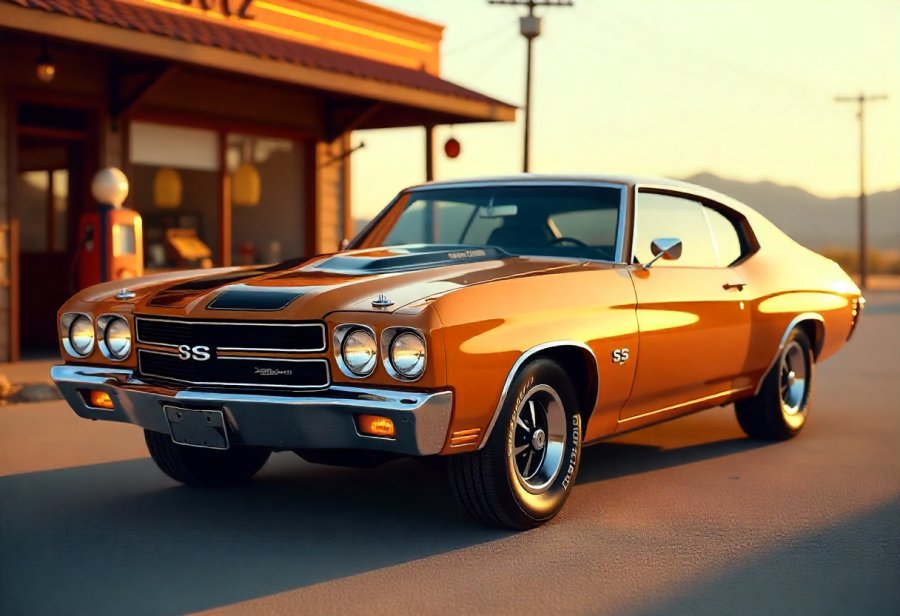
While muscle cars like the Chevrolet SS celebrated unrestrained power and bold styling, they also faced significant challenges that eventually tempered their dominance. As the 1970s progressed, growing concerns about fuel economy and environmental impact began to overshadow performance. Stricter emissions regulations forced manufacturers to reduce engine sizes and horsepower, diminishing the raw adrenaline that made these cars legendary. This shift made it harder for muscle cars to deliver the exhilarating experience enthusiasts cherished, pushing many models into decline or forcing them to evolve in ways that diluted their original spirit.
Insurance costs for high-performance vehicles also became a major obstacle. As muscle cars grew more popular, premiums skyrocketed, often making them inaccessible for the average buyer. This increased expense shifted their image from rebellious street machines to exclusive collectibles, distancing them from their roots as affordable symbols of freedom. The high ownership costs and limited practicality meant many saw these cars more as weekend toys than everyday drivers.
Critics often painted muscle cars as symbols of excess and recklessness. Their loud exhausts, aggressive styling, and immense horsepower fueled debates about safety and irresponsible driving. High-profile accidents involving powerful cars reinforced societal concerns that these vehicles encouraged dangerous behavior. As safety and order became priorities, demands for tighter regulations grew, further restricting muscle car design and performance. The rebellious iconography that once defined these cars clashed with the rising emphasis on safety and social responsibility.
Environmental issues added another layer of conflict. The push for cleaner air and reduced pollution meant larger, gas-guzzling engines faced increasing scrutiny. Automakers struggled to balance performance with emissions standards, often sacrificing horsepower to meet new regulations. This not only affected the technical prowess of muscle cars but also challenged their identity as symbols of American horsepower and freedom, creating a disconnect between their cultural image and environmental realities.
Meanwhile, economic shifts and rising fuel prices during oil crises made high-horsepower models less appealing. Consumers began prioritizing fuel efficiency and practicality over speed and power. The once-rebellious muscle car became increasingly out of step with a changing world that valued economy. Many manufacturers responded by downsizing engines and trimming performance packages, signaling the beginning of the decline of the muscle car era and the erosion of their once-unquestioned appeal.
Within the muscle car community itself, conflicts emerged over practicality. While some owners reveled in the raw power, others recognized these cars’ limitations for daily use. The impracticality of high fuel consumption, costly insurance, and maintenance made many muscle cars weekend playthings rather than reliable daily drivers. This divide between their rebellious image and real-world usability added complexity to their legacy, highlighting the evolving perception of muscle cars as both icons and impractical luxuries.
Despite these challenges, the cultural impact of muscle cars persisted. Their roar on the streets and their prominent place in movies and media kept their myth alive. They became symbols of a daring, free-spirited attitude that continues to inspire enthusiasts today. The conflicts and criticisms faced by muscle cars didn’t diminish their significance; instead, they underscored the importance of balancing raw power with societal responsibility. Their story remains a testament to innovation, rebellion, and adaptation in the face of changing times.
From Past to Present: The Enduring Influence of the Muscle Car Era on Modern Automotive Culture
The influence of the muscle car era from the 1970s continues to shape modern automotive culture in subtle yet powerful ways. Today’s performance cars, like the Dodge Challenger and Ford Mustang, draw clear inspiration from that golden age, often featuring retro design elements such as wide bodies, racing stripes, and aggressive grilles. These stylistic choices aren’t just nostalgic nods; they serve to connect new generations of drivers with the boldness and individuality that defined the muscle car era.
Restoration and collecting remain vital in keeping that spirit alive. Enthusiasts dedicate countless hours to reviving vintage models like the Chevelle SS 454, transforming them into eye-catching showpieces. Car shows filled with restored classics attract crowds eager to experience the raw power and iconic styling firsthand. Online communities thrive on sharing restoration tips, rare finds, and performance upgrades, creating a shared passion that bridges decades and keeps the culture vibrant.
Beyond mere admiration, muscle cars continue to influence pop culture and media. Films such as “Bullitt” and “Gone in 60 Seconds” have cemented their mythic status, portraying them as symbols of American ingenuity and daring. These vehicles are often used to evoke themes of freedom, rebellion, and adventure, reinforcing their role as icons of a spirited, independent lifestyle. For many, owning or simply admiring these cars offers a tangible connection to that daring ethos.
Manufacturers now pay homage to muscle car roots by blending classic styling with modern technology. Limited-edition models often feature retro-inspired aesthetics paired with cutting-edge performance enhancements, appealing to both nostalgic enthusiasts and new drivers seeking excitement. Marketing campaigns emphasize qualities like power, speed, and individuality—values deeply embedded in the muscle car legacy—that continue to resonate with consumers.
The muscle car’s impact extends into branding and industry trends, where the emphasis on bold design and high performance remains central. Even as the industry shifts toward sustainability and efficiency, the DNA of the muscle car era persists. Automakers recognize that a sense of daring and rebellion continues to attract a broad audience, inspiring innovation that respects tradition while embracing the future.
This ongoing influence demonstrates that the spirit of the muscle car era is more than just a nostalgic chapter; it’s a vital part of automotive identity. The roar of a vintage engine still inspires new generations to push boundaries and embrace individuality. Whether through restored classics or modern reinterpretations, the legacy of the 1970s muscle cars continues to drive design, performance, and cultural attitudes forward.
Ultimately, the muscle car era reminds us that daring ideas and passionate craftsmanship leave a lasting imprint. Their influence proves that pushing limits and celebrating boldness can create icons that transcend time. As modern vehicles echo that spirit, they reinforce the idea that true automotive greatness is rooted in a blend of tradition, innovation, and a willingness to stand out. The legacy remains alive, fueling the ongoing pursuit of excitement and rebellion on the road.
Legacy in Rebellion: What the Muscle Car Era Teaches About Innovation, Freedom, and Endurance
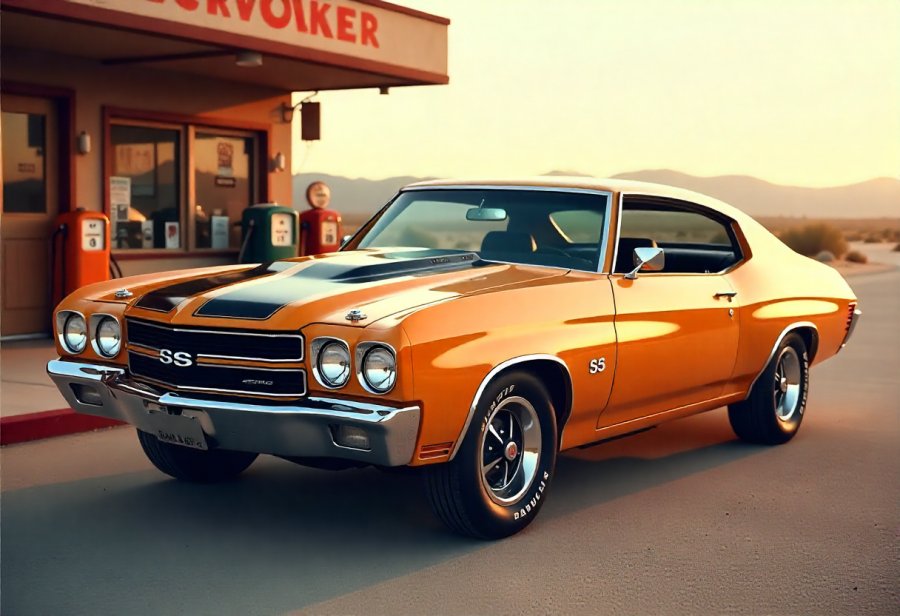
The muscle car era of the 1970s teaches us that boldness and innovation can leave a lasting mark on culture. These cars weren’t just about raw horsepower; they embodied a daring spirit that still echoes today. They proved that pushing engineering limits and designing with attitude could create icons that define a generation. Their legacy reminds us that combining performance, style, and a touch of rebellion results in something truly memorable.
This period also highlights the importance of balance. While the raw power and striking aesthetics captured imaginations, the era faced challenges that underscored the need for responsibility. Rising environmental concerns, safety issues, and economic shifts prompted a reevaluation of priorities. The story of muscle cars shows that progress involves adaptation—balancing daring innovation with societal awareness.
Beyond their technical feats, muscle cars symbolize freedom and individualism. Their roar on the street and appearances in movies and media foster a rebellious, adventurous attitude that continues to inspire. For many enthusiasts, owning or admiring these cars is a way to connect with that fearless spirit—a reminder that pushing boundaries and standing out can be timeless values.
Restoration and preservation efforts keep this legacy alive. Enthusiasts dedicate countless hours to breathe new life into vintage models, transforming them into showcases of craftsmanship and attitude. Car shows and online communities serve as platforms for sharing stories, techniques, and passion, ensuring the stories of these icons are passed down and appreciated by new generations.
The influence of the muscle car era also shapes modern design and performance. Many contemporary models incorporate retro cues—wide bodies, racing stripes, aggressive grilles—that evoke the same swagger and personality. This blending of past and present keeps the rebellious spirit alive, demonstrating that muscle cars are more than vintage relics—they are enduring symbols of attitude and innovation.
This legacy teaches us that daring ideas combined with craftsmanship can leave a profound impact. It shows that pushing boundaries is not just about instant gratification but about creating something that withstands time. The roar of these engines continues to inspire new generations to pursue their own adventures, keeping the spirit of the muscle car era vibrant and relevant.
Looking back, the story of muscle cars reminds us that true greatness comes from daring to challenge norms and pursue excellence. Their influence extends beyond their engines, embedding themselves into the fabric of American culture and identity. As they continue to inspire industry and enthusiasts alike, their legacy proves that the pursuit of individuality and boldness is a timeless journey. The muscle car’s roar is more than a sound; it’s a call to embrace daring, celebrate craftsmanship, and never shy away from pushing limits.