The Ford Mustang is more than just an automotive marvel; it’s an enduring symbol of American freedom, rebellion, and performance. From its inception in the 1960s—a product of cultural change and innovation—it quickly became a cultural icon, inspiring generations with its muscular design, groundbreaking performance, and role in pop culture. Today’s Mustang artfully balances its storied heritage with modern advancements, offering powerful engines, sleek aesthetics, and cutting-edge technology. Yet, as the industry shifts toward sustainability, Ford is pioneering electric and hybrid models that aim to preserve its legendary spirit. Will the future maintain the raw adrenaline that defined its past, or evolve into a new chapter of eco-conscious performance? The Mustang’s legacy is rooted in resilience and innovation, promising to thrill and inspire new drivers while staying true to its rebellious, bold essence. Its story is far from over—what new heights will this iconic machine reach next?
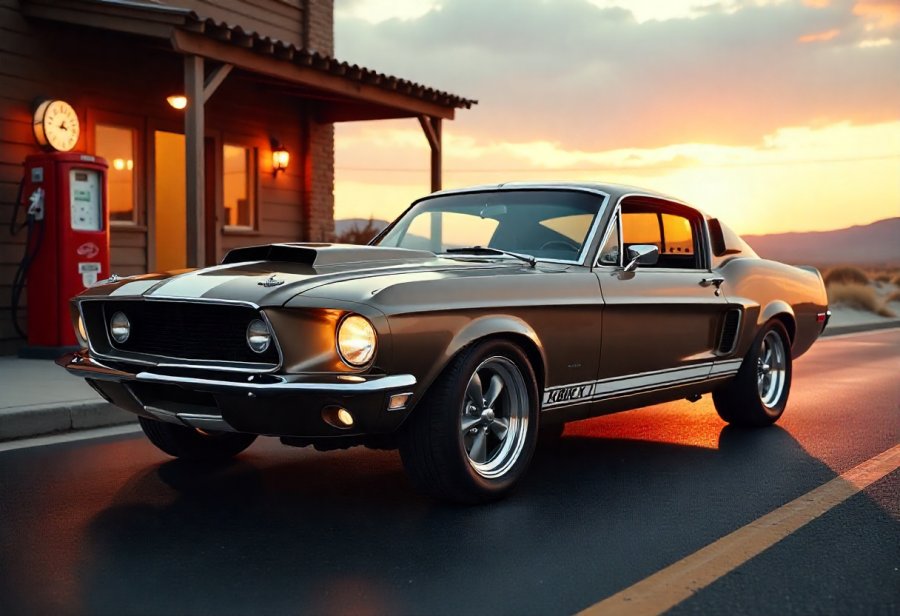
The Mustang: An Icon of American Spirit and Power
The Ford Mustang isn’t just a car; it’s a symbol of American ingenuity and spirit that has endured for over half a century. Since its debut in the 1960s, the Mustang has transcended its role as a mere vehicle to become an emblem of freedom, power, and style. Its instantly recognizable silhouette, with muscular lines and a commanding presence, has captivated both enthusiasts and casual drivers alike. More than speed, the Mustang embodies a lifestyle rooted in adventure and self-expression, resonating deeply with those who crave independence on the open road.
What truly sets the Mustang apart is its remarkable ability to evolve while maintaining its core identity. Over the decades, it has balanced heritage with innovation, seamlessly blending classic design cues like the pony grille and aggressive stance with modern touches—sleek aerodynamics, advanced lighting, and cutting-edge technology. This harmony ensures that each new model honors its legacy while remaining relevant to contemporary tastes and expectations.
The story of the Mustang is deeply woven into the fabric of American history. Emerging during a time of cultural upheaval in the 1960s, it quickly became a symbol of youthful rebellion and independence. Its affordability and sporty appeal made it accessible to a broad audience, from college students to professionals, fueling its widespread popularity. Its appearances in movies, music, and pop culture helped elevate it beyond the realm of automobiles, turning it into an icon of daring and freedom.
Design-wise, the Mustang’s details evoke speed and muscle—racing stripes, side scoops, and bold wheels all contribute to its legendary status. These elements are crafted to emphasize its performance-oriented nature and evoke a sense of motion and power. The car’s visual language is a declaration of attitude, reinforcing its reputation as an automotive icon that’s built to turn heads and stir emotions.
Throughout its history, the Mustang has managed to stay true to its roots while adapting to changing times. Today’s models feature high-powered engines, sophisticated suspensions, and driver-focused interiors that deliver exhilarating performance. Despite the industry’s shift toward electrification, Ford is committed to preserving the Mustang’s spirit of power and independence, with electric and hybrid options on the horizon that promise to uphold its legacy of innovation and daring.
In essence, the Mustang’s significance extends beyond its technical specs. It’s about the emotions it inspires—freedom, adventure, and the thrill of pushing boundaries. Its enduring legacy lies in its ability to connect with generations of drivers who see it as more than a car; it’s a symbol of American resilience and the pursuit of dreams. The Mustang remains an icon, forever embodying the spirit of muscle, rebellion, and limitless possibility.
Origins and Cultural Roots of the American Legend
The Ford Mustang was born in the early 1960s, a period marked by significant cultural shifts in America. Post-war prosperity had fueled economic growth, creating a booming market for new and exciting products, especially among young people eager to define their identities. Cars transitioned from mere transportation to symbols of freedom, rebellion, and self-expression. The Mustang’s debut in 1964 fit perfectly into this landscape, capturing the adventurous spirit that defined a generation eager to stand out.
Inspired by European sports cars like Fiat and other stylish pony cars, Ford aimed to craft a vehicle that combined sporty appeal with everyday practicality. Its compact size, muscular lines, and aggressive stance broke away from traditional large American cars, offering a fresh, exciting option that appealed to a wider audience. The Mustang’s design was a bold statement—muscular yet accessible—setting the stage for the muscle car era and redefining American automotive standards.
Marketing played a pivotal role in shaping the Mustang’s cultural identity. Ford positioned it as more than just a vehicle; it was a symbol of youthful rebellion and independence. Campaigns emphasized its affordability and sporty appeal, resonating with young drivers eager to carve their own path. The car became a lifestyle extension—an emblem of daring and adventure—bolstered by media appearances and celebrity endorsements that elevated its status in pop culture.
The Mustang’s arrival also sparked a shift within the American automotive industry. Its success encouraged other manufacturers to develop smaller, performance-focused cars, sparking innovation and fierce competition. This wave transformed muscle cars from luxury-only options to accessible, high-performance vehicles for the masses. The Mustang’s influence helped redefine what Americans expected from their cars—fast, stylish, and affordable.
Beyond its technical achievements, the Mustang became an icon through its presence in movies, TV shows, and music. Films like “Bullitt” with Steve McQueen showcased its speed and daring, cementing its rebellious image. Its signature design elements—like the pony grille and muscular profile—became symbols recognized worldwide, inspiring countless imitations and influencing automotive design globally.
Culturally, the Mustang embodied the ideals of resilience, independence, and pushing boundaries. Owning one often signaled a desire to stand out and embrace a daring attitude, making it more than just a car—it’s a statement. Its story is woven into the narrative of American freedom and innovation, inspiring generations to chase their dreams with confidence and style.
Throughout its history, the Mustang has maintained its core identity while evolving with the times. Its roots in rebellion and performance remain intact, even as new technologies and environmental considerations emerge. The car’s ability to adapt without losing its essence has kept it relevant for over six decades, ensuring its place as a true American icon and a symbol of enduring cultural significance.
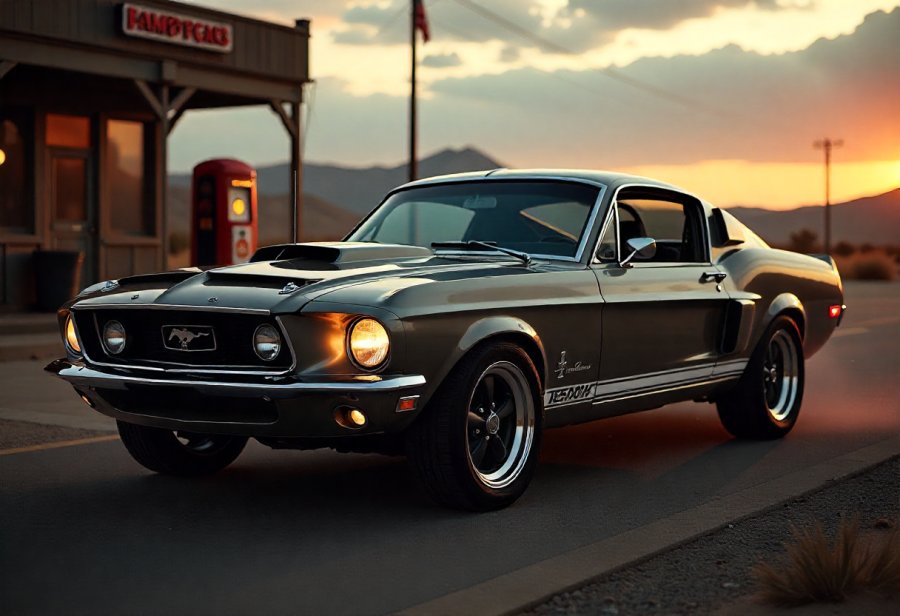
Modern Marvel: The Evolving Heart of the Mustang
The Ford Mustang remains a symbol of American muscle and innovation, even as it continues to evolve to meet modern demands. Today’s models expertly blend classic design elements—such as the iconic pony grille, muscular stance, and sleek lines—that have defined the Mustang for decades, with contemporary touches like aerodynamic enhancements, LED lighting, and signature racing stripes. These updates keep the car visually fresh while preserving the bold personality that fans love, ensuring it remains instantly recognizable on the road.
Performance continues to be at the heart of the Mustang’s enduring appeal. Modern versions offer a broad range of engines, from efficient turbocharged fours to powerful V8s that deliver adrenaline-pumping speed. The legendary GT models, with engines like the 5.0-liter V8 producing over 450 horsepower, excite drivers with rapid acceleration and sharp handling. Advanced suspension systems, electronic stability controls, and performance packages like Shelby GT500 push the limits further, making every drive feel intense and confident. This combination of raw power and modern technology keeps the Mustang relevant as a true American muscle car.
Design details play a significant role in its staying power. The bold pony grille signals its heritage, while sculpted body lines and wide wheel arches emphasize strength and agility. Racing stripes, rear spoilers, and aerodynamic features evoke speed and muscle, reinforcing its performance-driven image. Every element, from side scoops to lightweight wheels, is crafted to evoke motion and power, inspiring admiration and excitement. These design cues are more than aesthetic—they declare attitude and capability, connecting emotionally with drivers.
Inside, the Mustang maintains its sporty, driver-focused feel but incorporates modern technology to enhance comfort and connectivity. Digital instrument clusters, advanced infotainment systems, and driver-assist features create a seamless driving experience. The interior balances heritage-inspired styling with contemporary convenience, appealing to both purists and tech-savvy enthusiasts. This thoughtful integration ensures every aspect of the vehicle amplifies the thrill of driving while offering safety and ease in today’s busy world.
As the industry shifts toward electrification and sustainability, the Mustang faces new challenges. Ford is investing in hybrid and electric variants that aim to deliver the same exhilarating performance with reduced emissions. Balancing eco-friendly innovations with visceral driving remains a delicate task, but one Ford appears committed to mastering. Future models are expected to retain the signature design and performance DNA, ensuring the Mustang’s legacy endures while embracing a greener future.
The Mustang’s relevance is rooted in its ability to adapt without losing its core identity. Its timeless design, exhilarating performance, and cultural significance continue to resonate worldwide. As it evolves, the Mustang remains more than a car—it’s a statement of freedom, rebellion, and innovation. Its story is far from over, promising to inspire new generations to chase adventure and push boundaries at full throttle.
A Cultural Phenomenon: The Mustang’s Enduring Influence
The Ford Mustang’s influence stretches far beyond its role as a high-performance vehicle; it has become a cultural icon that continues to inspire enthusiasts, artists, and designers worldwide. Car clubs, racing events, and online communities keep the Mustang’s legacy alive, fostering a sense of belonging among fans passionate about this quintessential American muscle car. Custom builds and modifications showcase its versatility, allowing owners to personalize their rides while celebrating its storied history.
In pop culture, the Mustang’s presence is nearly unavoidable. It’s featured prominently in movies, TV shows, and music videos, often symbolizing rebellion, independence, or adventure. Classic scenes like Steve McQueen’s legendary chase in “Bullitt” cement its reputation as a symbol of speed and daring. Over the decades, celebrities and artists have adopted the Mustang as a style statement, further embedding it into the fabric of popular culture and shaping its timeless appeal.
Design-wise, the Mustang’s signature pony grille and muscular profile have become benchmarks for automotive aesthetics. Its visual cues—racing stripes, aggressive stance, and sleek lines—are emulated in countless custom creations and inspire new models. This design language evokes power and motion, making the Mustang instantly recognizable and emotionally resonant. Its aesthetic influence extends globally, setting standards for performance-inspired styling across the industry.
Performance remains central to its ongoing allure. Modern models, especially high-performance variants like the Shelby GT500, continue to push boundaries with engines capable of producing over 700 horsepower. These cars embody speed, agility, and raw power, fulfilling the dreams of drivers seeking adrenaline and excitement. The Mustang’s ability to thrill while remaining accessible keeps it relevant—an icon that balances heritage with innovation.
Beyond technical achievements, the Mustang embodies the spirit of rebellion and independence that define American culture. Owning a Mustang signals a desire to stand out and embrace a daring attitude. It’s more than a vehicle; it’s a statement of self-expression, a symbol of resilience and pushing limits. This emotional connection fuels its continued desirability across generations.
The legacy is reinforced through limited editions and special models that celebrate its rich history. These unique releases attract collectors and enthusiasts alike, serving as tangible links to the past while showcasing ongoing innovation. They remind us that the Mustang’s story is one of resilience and evolution, constantly adapting without losing its core identity.
Despite industry shifts toward electrification, the Mustang’s cultural and emotional reach remains strong. Its ability to adapt—integrating modern technology and sustainable powertrains—ensures its relevance for future generations. The Mustang continues to inspire new dreams, embodying the ideals of freedom, power, and innovation that have defined it for over six decades. Its influence endures, a true testament to the power of iconic design and enduring spirit.
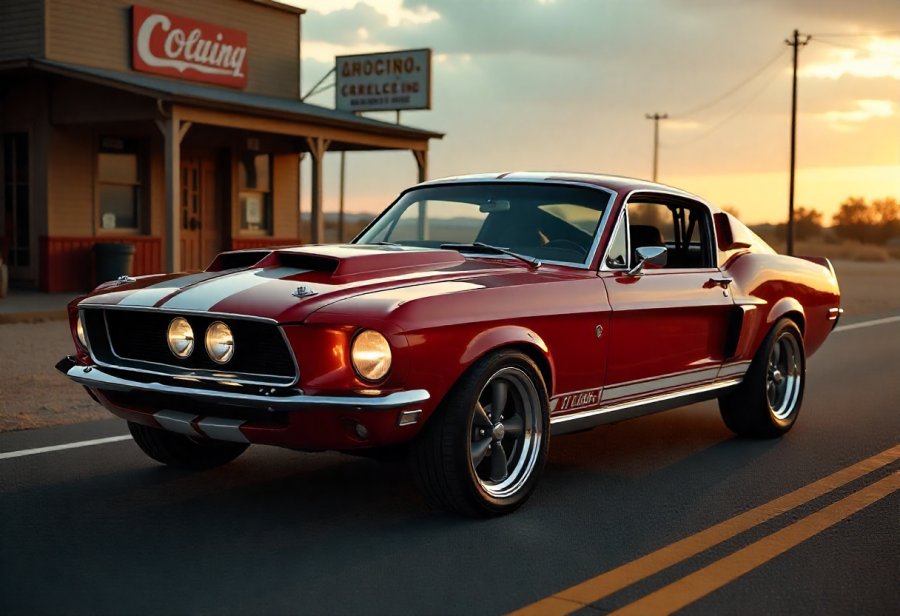
Looking Ahead: The Future of the Mustang and Its Legacy
The future of the Ford Mustang looks promising, grounded in a legacy of innovation and resilience. Its timeless design, exhilarating performance, and cultural significance have cemented its status as an automotive icon. As the industry shifts toward electrification, Ford is actively developing hybrid and fully electric versions that aim to deliver the same visceral thrill while meeting modern environmental standards. This balance of tradition and innovation will be key to keeping the Mustang relevant for new generations without compromising its core identity.
Design updates are expected to be more evolutionary than revolutionary. The signature pony grille, muscular silhouette, and aggressive stance will remain, complemented by modern aerodynamic enhancements and advanced lighting technology. Inside, the cabin will blend heritage-inspired styling with cutting-edge digital interfaces, offering drivers a seamless mix of nostalgia and convenience. These subtle yet impactful changes will ensure the Mustang continues to turn heads and evoke excitement on the road.
Performance remains at the heart of the Mustang’s appeal. Future models are anticipated to feature a range of engines, including turbocharged fours and high-powered V8s, with some models surpassing current horsepower benchmarks. Innovative suspension systems, adaptive driving modes, and performance packages like Shelby variants will push the limits of speed and handling, ensuring every drive is an adrenaline-fueled experience. This relentless pursuit of power and precision keeps the Mustang’s legacy alive and thriving.
Beyond its technical evolution, the Mustang’s cultural influence will persist through limited editions, special models, and continued visibility in pop culture. These elements reinforce its role as more than just a car—they symbolize rebellion, independence, and the pursuit of dreams. As Ford navigates future industry trends, the Mustang’s ability to adapt while remaining true to its roots will secure its place as a symbol of American muscle and innovation for decades to come.
In the end, the Mustang’s story is far from over. Its enduring appeal lies in a perfect blend of heritage and forward-thinking design. As it continues to evolve, it will inspire new generations to chase adventure, embrace freedom, and push boundaries at full throttle. The legacy of the Mustang—built on passion, performance, and resilience—remains a testament to the enduring spirit of American muscle and the limitless possibilities that lie ahead.