What if the greatest obstacle to swimming isn’t physical but psychological? This inspiring exploration dismantles the myth that swimming is only for the young or the naturally gifted. Instead, it reveals how anyone—regardless of age—can transform fear into confidence through patience, support, and small, consistent steps. Whether you’re overcoming past anxieties or starting anew, this guide emphasizes the power of mental preparation, expert guidance, and community encouragement. It highlights that progress isn’t linear—every tiny victory builds trust in your abilities and makes water a safe, enjoyable space. From mastering breath control to floating with ease, the journey is about persistence, not perfection. Are you ready to take that first step into a future where water no longer intimidates but empowers? With gentle persistence and compassionate support, the water can become a source of lifelong confidence, safety, and joy.
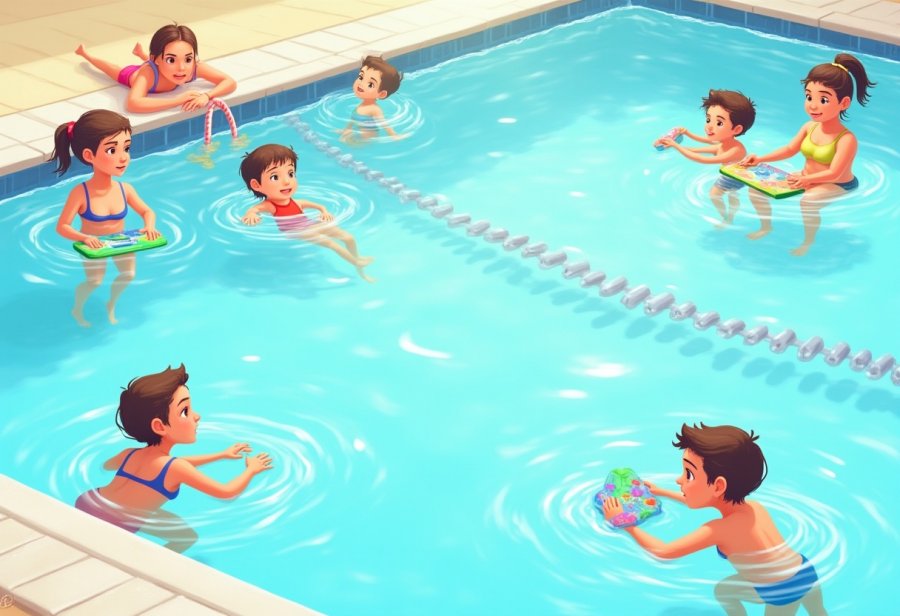
Transform Your Water Fears into Lifelong Confidence
Learning to swim isn’t just about acquiring a new skill—it’s a journey that can change how you view water and yourself. Many believe that swimming is only for kids or those raised around pools, but the truth is, it’s a vital ability for everyone, regardless of age. Whether you’re an adult who’s never learned or someone returning to the water after years away, starting your swimming journey can lead to increased safety, confidence, and enjoyment.
The benefits of learning to swim extend well beyond just moving through water. Physically, it strengthens muscles, boosts cardiovascular health, and improves flexibility. Mentally, it enhances confidence, reduces anxiety, and fosters a greater sense of control in water environments. Emotionally, overcoming water fears builds resilience and a sense of empowerment that spills over into everyday life. Plus, knowing how to swim can be a crucial safety skill, helping prevent accidents and even saving lives.
Many of us carry some water-related anxiety, often rooted in fears of drowning, negative past experiences, or unfamiliarity with water. Recognizing what makes you nervous is an essential first step. It allows you to approach your swimming lessons with patience and self-compassion, understanding that progress may be slow but is always worthwhile. With each small step, you’ll begin to build trust—trust in your abilities and in the water itself.
This process is about progress, not perfection. Whether it’s becoming comfortable in shallow water, learning to float, or practicing breath control, every achievement counts. The journey might feel slow at times, but consistency and patience pay off. The more you practice, the more natural swimming becomes, and the more your fears diminish. Creating positive experiences helps motivate you to keep going and makes the water a space of growth rather than fear.
Surrounding yourself with supportive environments—like beginner-friendly pools with trained instructors—can make a big difference. These settings help you relax and focus on developing skills without added stress. Supportive guidance and a gentle pace are key to transforming water fears into confidence, turning each lesson into a stepping stone toward mastery.
Remember, it’s never too late to start. Every small progress builds confidence and trust in your abilities. As you continue to immerse yourself in water, the initial anxiety will give way to comfort and even enjoyment. The water can become a space of freedom, safety, and fun, rather than fear. Taking that first step might feel daunting, but it’s the start of a rewarding journey that can last a lifetime.
Lay a Strong Foundation for Your Water Confidence Journey
Starting your water confidence journey begins with setting a solid mental and physical foundation. Approaching swimming with patience and an open mind makes a significant difference. Focus on small, manageable goals—like becoming comfortable in shallow water or learning to float—rather than rushing to master every skill at once. Clear, realistic expectations help reduce frustration and keep your motivation high. Celebrating each tiny victory along the way reinforces your progress and encourages you to keep moving forward.
Physically, gather comfortable swimwear, goggles, and any supportive gear that helps you feel secure. Choosing a beginner-friendly pool with trained instructors creates a safe environment where you can learn without added stress. Ensure the space feels welcoming—this helps you relax and focus on your skills rather than worry. Staying hydrated and rested before lessons boosts your comfort and concentration, making each session more productive.
Safety is paramount from the start. Never dive into water alone or without supervision, especially when exploring new techniques or venturing into deeper areas. Using floatation devices or goggles can enhance your confidence, but they are no substitute for proper supervision. Stick to designated beginner zones and follow pool rules to prevent accidents. Feeling secure in your surroundings helps diminish anxiety and allows you to focus on building trust in the water.
Mentally, techniques like deep breathing and visualization can calm nerves before stepping into the pool. Imagine yourself floating peacefully or taking confident strokes—that shifts your mindset from fear to curiosity. Break each step into small parts, such as wading into shallow water or sitting at the pool’s edge, and celebrate every success. These mental strategies create positive associations with water, making each visit more enjoyable.
Consistency is your best ally. Regular practice, even just a few minutes daily, helps reinforce your skills and reduce hesitation. The more you immerse yourself in water, the more natural it will feel. Remember, confidence comes from persistence, not perfection. Small, steady efforts gradually transform initial fears into a sense of mastery and comfort. Over time, what once seemed intimidating becomes familiar and manageable.
Support from instructors or fellow learners can make a huge difference. Find someone patient and encouraging who can guide you step-by-step, offering reassurance along the way. Building a community around your water confidence journey creates motivation and accountability. Celebrating milestones and sharing progress keeps your spirits high and your focus sharp.
Finally, keep your attention on progress rather than perfection. Every small step—whether it’s floating longer or breathing more easily—is a victory. Be patient with setbacks; they’re part of the process. With consistent effort and a positive mindset, the water will become a space of confidence, safety, and even enjoyment. Setting a strong foundation now ensures your journey toward lifelong water confidence is rewarding and sustainable.
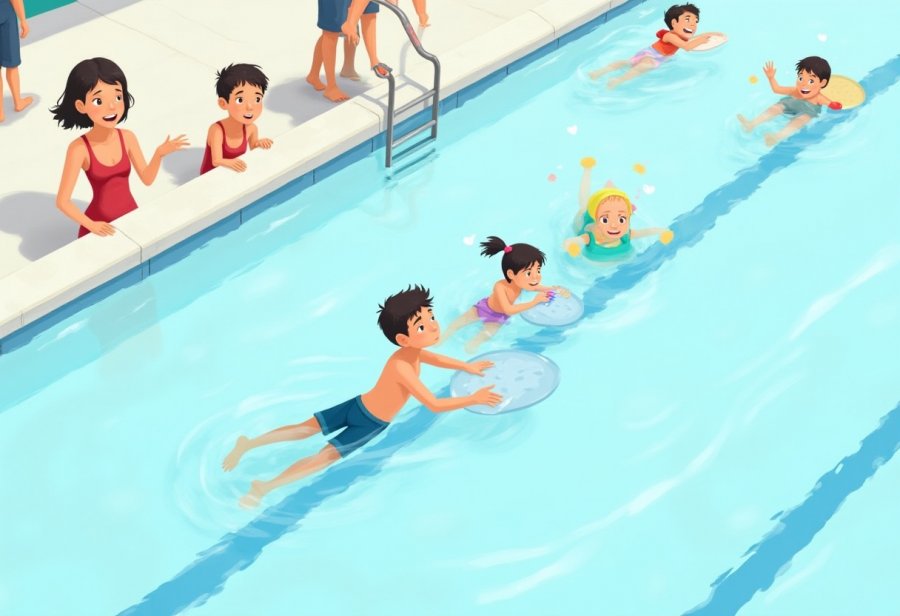
Embrace a Steady, Patient Path to Swimming Mastery
Learning to swim is a gradual process that thrives on patience and consistent effort. Start in shallow water where you can feel safe and in control. Focus on simple actions like blowing bubbles or gently dipping your face in. These small steps lay the groundwork for more complex skills, helping you build confidence without feeling overwhelmed. Repeating these basics regularly makes them feel natural, gradually easing your nervousness and fostering trust in your body’s movements.
Trusting your body to navigate water takes time. Break each skill into manageable parts—breathing, floating, kicking—and master them one at a time. Avoid rushing; instead, celebrate small victories such as floating unaided or completing a few strokes. Consistent practice, even just a few minutes daily, helps your muscles remember these movements, reducing hesitation and building familiarity. Remember, progress isn’t always linear, but persistence turns initial discomfort into confidence.
Having a patient instructor or mentor can significantly boost your learning. They can guide you through each stage, providing reassurance and correcting mistakes gently. Learning in a safe environment—like a beginner-friendly pool with trained staff—reduces anxiety and allows you to focus on mastering skills at your own pace. As your confidence grows, you might venture into slightly deeper water, but always stay within your comfort zone. Steady, incremental steps ensure lasting progress.
Mental techniques like deep breathing and visualization can calm nerves before and during lessons. Picture yourself floating peacefully or taking confident strokes—that mental shift from fear to curiosity makes a real difference. Set small, achievable goals for each session, such as wading into the water or floating without assistance. These milestones make progress tangible and motivate you to continue, turning water from a source of anxiety into a space of growth.
Consistency remains your best tool. Even short daily practice sessions help reinforce skills and diminish hesitation. Every time you immerse yourself in water, you’re training your mind and body to become more comfortable. Focus on steady improvement rather than rushing for perfection; each step forward matters. Over time, what once felt intimidating will become familiar, and your confidence will flourish.
Support from instructors and fellow learners makes the journey easier and more enjoyable. Sharing successes and setbacks creates a community that encourages ongoing effort. Celebrate milestones, no matter how small, and stay committed to regular practice. This ongoing engagement helps water become a safe, familiar environment—one where confidence and joy thrive. With patience and persistence, mastering basic swimming skills becomes a rewarding step toward lifelong water confidence.
Learn from Experts: Guidance to Accelerate Your Progress
Expert insights from seasoned swimming instructors emphasize how vital patience and personalized guidance are when helping learners build water confidence at any age. Every individual’s journey is unique, and tailored instruction often makes the biggest difference in overcoming fears and developing trust in the water. Experienced teachers understand that progress can be slow and that setbacks are a natural part of learning. Their focus is on creating a supportive environment where learners feel safe to try, fail, and try again without fear of judgment.
Effective coaching centers on breaking skills into manageable steps. Instead of rushing into complex strokes, instructors prioritize foundational techniques like breath control, floating, and gentle kicking. This approach helps learners feel less overwhelmed and more in control, fostering a sense of achievement early on. Clear demonstrations, visual cues, and simple explanations make movement and safety concepts easier to grasp, boosting confidence and motivation.
Positive reinforcement is a cornerstone of good teaching. Celebrating small victories—such as floating unaided or wading into deeper water—builds resilience and encourages a growth mindset. When instructors acknowledge progress, learners begin to associate water with success rather than fear. This encouragement nurtures trust in both the instructor and their own abilities, making each session more enjoyable and less intimidating.
Safety remains a top priority, and skilled instructors stress its importance at every stage. They teach learners to listen to their bodies, use safety gear appropriately, and respect water conditions. Proper supervision and adherence to pool rules help prevent accidents and reduce anxiety. When learners feel secure in their environment, they’re more willing to explore and expand their comfort zones, which accelerates confidence-building.
Beyond physical skills, mental strategies such as deep breathing, visualization, and mindfulness play a crucial role. Instructors often guide learners to picture themselves floating peacefully or taking confident strokes, helping to shift the mindset from fear to curiosity. Setting small, achievable goals for each session makes progress tangible, keeping motivation high and making the water a space of growth rather than anxiety.
Support from friends, family, and fellow learners complements professional guidance. Sharing successes, discussing challenges, and practicing regularly in a community setting reinforce motivation and accountability. This network of encouragement helps sustain momentum and reminds learners they are not alone on their journey. When combined with expert advice, this support system makes building water confidence more accessible, enjoyable, and sustainable.
Ultimately, the key to success lies in patience, persistence, and a tailored approach. Skilled instructors know that every small step forward is a victory worth celebrating. Their guidance helps transform water from a source of fear into a space of empowerment—paving the way for lifelong confidence and enjoyment in the water.
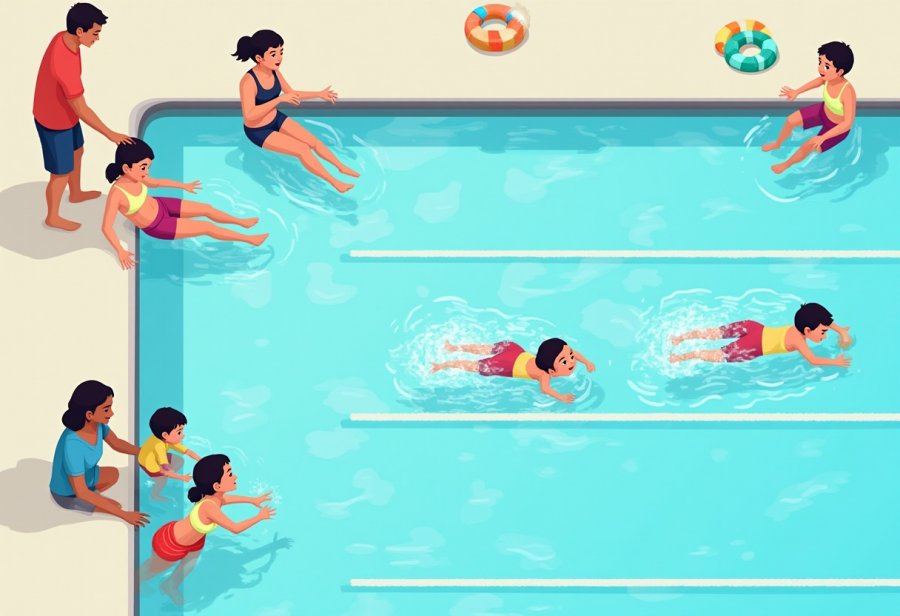
Celebrate Your Achievements and Keep Moving Toward Water Mastery
Learning to swim isn’t just about acquiring a new skill; it’s about opening doors to safety, confidence, and joy that can last a lifetime. Every small step you take—whether it’s floating comfortably, breathing steadily, or swimming a few strokes—builds a foundation of trust in your abilities and the water itself. The key to progress is consistency. Regular practice, even for just a few minutes each day, gradually transforms initial hesitation into genuine confidence, making swimming feel natural and enjoyable.
Building water confidence isn’t about perfection; it’s about persistence. Celebrate every milestone, no matter how minor, as a sign of progress. Remember, setbacks are part of the journey—they’re opportunities to learn and grow stronger. Focusing on small, achievable goals keeps motivation high and prevents overwhelm, turning water from a source of fear into a space of growth and mastery. Over time, what once seemed intimidating becomes familiar, and your confidence will flourish.
Support from instructors, friends, or fellow learners can make a big difference in maintaining momentum. Sharing your successes and challenges creates a sense of community that encourages ongoing effort and resilience. This network of encouragement reinforces your commitment and helps you stay motivated, especially during moments of doubt. The more you practice and engage with water, the more it becomes a trusted environment, not just a challenge to overcome but a place for enjoyment and connection.
As you look ahead, consider weaving water activities into your routine—whether it’s swimming laps, joining a water class, or simply relaxing in the pool. These experiences deepen your comfort level and reinforce what you’ve learned, making swimming a natural part of your life. With time, this skill shifts from a goal you’re working toward into a lifelong source of fun, safety, and personal empowerment. The journey may have started with fear, but it leads to a future where water is a space of freedom and confidence.
Keep in mind that everyone’s pace is different. Be patient with yourself and recognize that progress is built through small, consistent efforts. Each step forward enhances your relationship with water, transforming nervousness into mastery. By maintaining your dedication and celebrating your growth, you’re not only learning to swim—you’re embracing a new chapter of resilience, joy, and lifelong confidence. The water is waiting, and your journey continues beyond the pool.