Embarking on your first camping adventure can seem daunting, yet shifting your mindset transforms the experience into a rewarding journey of discovery. This guide reveals how embracing patience, humor, and curiosity turns obstacles—like weather surprises or gear mishaps—into memorable stories and valuable lessons. Preparation, from choosing beginner-friendly sites to organizing essentials, sets the stage for confidence and enjoyment. As outdoor technology evolves, making trips easier and more sustainable, the future of camping promises increased accessibility, eco-conscious practices, and innovative gear that enhances safety and comfort. What if every challenge encountered becomes an opportunity to connect deeper with nature and loved ones? By fostering resilience and adaptability, you not only create meaningful memories but also cultivate a lasting appreciation for the outdoors. Whether you’re seeking family bonding or solo adventures, this approach invites you to see camping as a lifelong journey, full of surprises and growth.
Transform Your First Camping Trip with a Positive Mindset
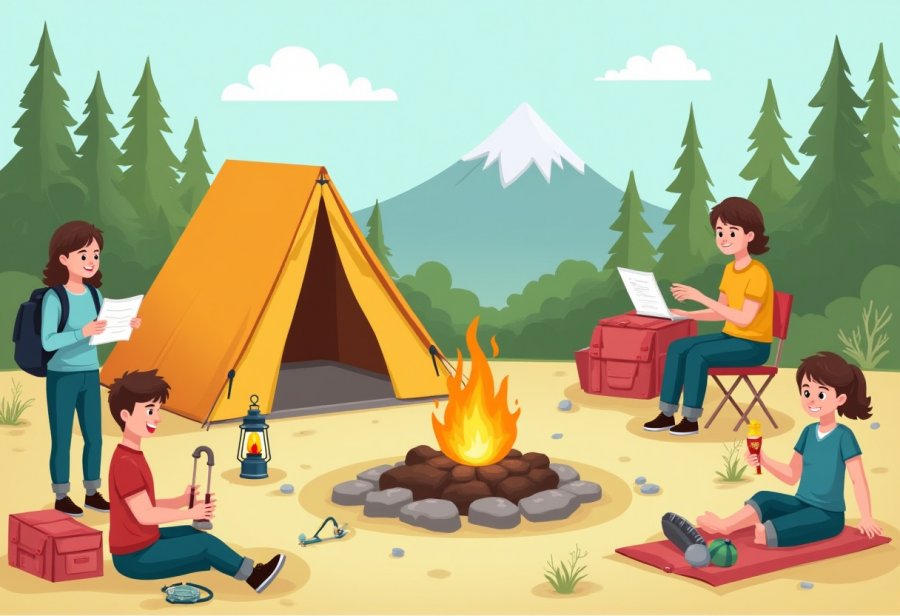
Starting your first camping trip can feel a bit intimidating, but how you approach it makes all the difference. A positive mindset transforms the experience from potential stress into a genuine adventure. When you see challenges as opportunities to learn, each obstacle becomes a stepping stone rather than a setback. Embracing the idea that mishaps—like a tent that takes longer to set up or unexpected weather—are part of the process keeps you relaxed and open-minded.
This mental shift isn’t just about reducing anxiety; it shapes how much you enjoy the outdoors. Approaching camping with curiosity and patience allows you to notice the small, beautiful details—like birdsong at dawn or a vibrant sunset—that often go unnoticed in a hurried mindset. Being present in these moments makes your trip more meaningful and memorable, fostering a stronger connection to nature and your surroundings.
Seeing camping as a journey of discovery rather than a test of perfection encourages a more relaxed attitude. Every difficulty, whether it’s figuring out how to start a fire or navigating a tricky trail, becomes a chance to develop new skills and boost confidence. When setbacks happen, viewing them through a lens of humor and resilience turns frustrations into stories worth sharing, enriching your outdoor experience.
Your mindset also influences how you handle surprises. Rain delays or equipment issues can seem like obstacles, but they often lead to some of the best stories and bonding moments. Approaching these as part of outdoor life helps you build patience and resourcefulness, making your trip more enjoyable and less stressful. Over time, this outlook cultivates resilience that makes future adventures even more rewarding.
A calm, positive attitude can lift everyone around you, creating a supportive and fun group atmosphere. When you stay patient and adaptable, it’s easier to roll with the punches, whether it’s weather changes or minor mishaps. This collective mindset turns a simple camping trip into a shared experience filled with laughter and connection, rather than frustration.
Thinking of camping as an adventure rather than a challenge helps you relax and enjoy the process. When you focus on the journey and stay open to surprises, each moment becomes part of a larger story—one that leaves you eager to explore again. Your mindset not only shapes your own experience but also influences how memorable and meaningful your trip turns out to be.
Master the Art of Planning: Essential Tips for a Smooth Start
Preparing for your first camping trip might seem like a daunting task, but breaking it down into manageable steps makes it much easier. Start by choosing a beginner-friendly site that offers basic amenities like clean restrooms, clear signage, and easy access. This kind of spot helps keep stress levels low and lets you focus on enjoying the experience rather than worrying about logistics.
Creating a packing list is your next step. Focus on essentials like a tent, sleeping bags suited for the weather, and safety gear such as a flashlight and a first aid kit. Organizing your gear with small bags or containers keeps everything accessible and prevents last-minute rummaging. Practice pitching your tent at home beforehand to get comfortable with the setup process—this simple step can save time and frustration when you arrive.
Layered clothing is key to staying comfortable, especially if the weather shifts unexpectedly. Pack versatile pieces that can be added or removed easily, and don’t forget extra batteries or a portable charger for your devices. Bringing enough water and easy-to-prepare, non-perishable foods like trail mix or granola bars helps keep things simple once you’re out in nature, freeing you up to relax and enjoy.
Familiarize yourself with the campsite layout before you go. Check where the water sources, bathrooms, and ideal tent spots are located. Knowing your surroundings in advance makes setup smoother and helps you settle in quickly. If you’re bringing outdoor gear like hiking boots or fishing rods, double-check that everything is in good condition, so you’re ready to go without surprises.
Arriving early on the day of your trip gives you plenty of time to set up calmly, avoiding the rush and the dark. It also allows you to take in the scenery and get comfortable before night falls. Flexibility is crucial—weather or gear mishaps happen, but approaching these hiccups with a relaxed attitude turns potential setbacks into part of the adventure.
Remember, no trip will be perfect, and that’s part of what makes it memorable. With thoughtful preparation and a flexible mindset, you’ll be ready to handle surprises and focus on what matters: connecting with nature and creating new experiences. The more you prepare, the more confident you’ll feel, turning your first camping trip into a smooth, enjoyable beginning to many outdoor adventures ahead.
Foster Fun and Relaxation: Creating a Joyful Camping Experience
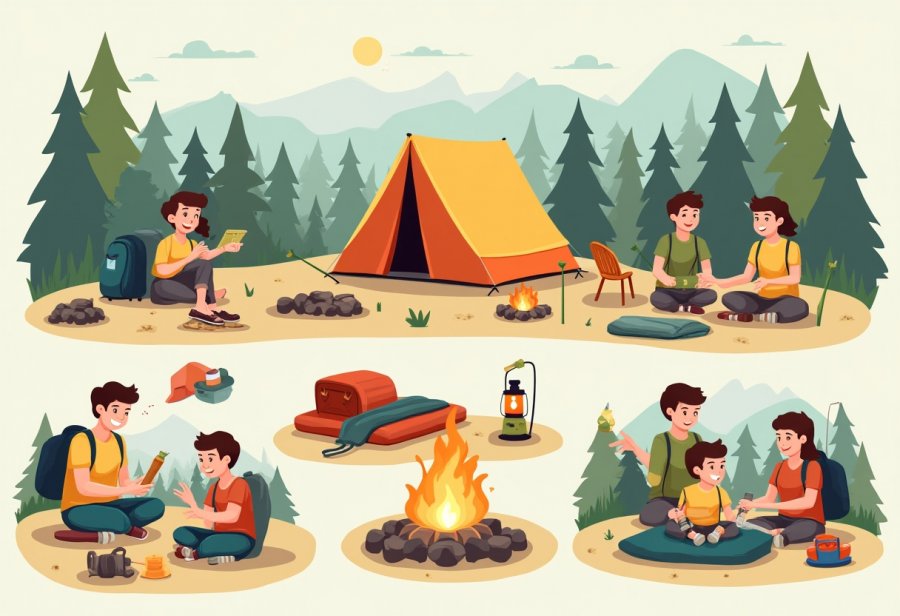
Creating a happy camping experience starts with your mindset. When you approach your trip with a relaxed and open attitude, you set the stage for fun rather than frustration. Even if things don’t go perfectly—like a tent taking longer to set up or sudden weather changes—seeing these moments as part of the adventure keeps your spirits high. A good sense of humor and patience turn potential problems into memorable stories, making the experience more genuine and enjoyable.
Staying positive is contagious. Focus on the small joys—such as the birdsong waking you in the morning or the glow of a sunset—and let those moments lift your mood. When challenges do arise, remind yourself that everyone faces hurdles, and most can be overcome with a little creativity. Turning a tent collapse into a lesson on how to secure it better next time or finding a cozy spot to read in the rain are opportunities to grow and connect.
Being present in the moment transforms a camping trip into a true escape. Instead of stressing over a checklist, take time to soak in your surroundings—listen to rustling leaves, watch stars emerge, or feel the breeze on your skin. These small acts of mindfulness deepen your bond with nature and those around you, creating a sense of gratitude and contentment that lingers long after the trip ends.
Sharing stories around the campfire, playing silly games, or singing under the stars adds to the joy. Simple activities like roasting marshmallows or telling jokes foster camaraderie and lift everyone’s spirits. When the focus is on enjoying each other and the outdoors, the trip becomes a collection of cherished moments rather than just a checklist of activities.
Flexibility is key to maintaining happiness on your trip. Weather surprises or gear mishaps are part of outdoor life, so embrace them with humor and patience. If rain delays your hike, turn it into a cozy storytelling session or a spontaneous game. Adapting to circumstances keeps the mood light and teaches resilience, making your outdoor experience richer and more memorable.
Your attitude influences everyone around you. A calm, cheerful demeanor encourages others to stay positive too. When things don’t go as planned, patience and humor help keep the group upbeat. This shared good energy turns a simple camping trip into a joyful collective adventure, leaving everyone with a warm feeling and a desire to return.
Real Stories from the Outdoors: Lessons and Memorable Moments
Many first-time campers find that the lessons learned through real experiences often stick more vividly than what they read in guides. For example, one beginner arrived at a scenic campsite only to realize they’d forgotten the tent stakes. Faced with no way to secure their tent, they improvised with rocks and logs, turning a small mistake into a valuable lesson in adaptability. These moments of problem-solving often become the stories that stay with you, teaching resilience and patience in the outdoors.
People also share how unexpected challenges often lead to some of the most memorable moments. One camper recalls arriving just as a rainstorm started, forcing them to quickly rethink their setup and find shelter. Instead of frustration, they found joy in working together to stay dry, which strengthened their bond. Others highlight how minor setbacks like a flat tire or tangled gear pushed them to think creatively and stay flexible, turning potential disasters into opportunities for growth and laughter. These experiences show that setbacks are part of the journey, not obstacles, and each one offers a chance to learn something new.
Stories from seasoned campers reveal that the best adventures often happen when things don’t go perfectly. One group faced a sudden weather change that forced them to pack up early, but they made the most of it by sharing stories around a small fire in the rain. Another recalls a night spent with a broken lantern, which led to cozy conversations by candlelight that became a cherished memory. These moments of improvisation and resilience deepen the outdoor experience, proving that embracing imperfections can create more meaningful memories than rigid plans.
Many find that their trips become more rewarding after they accept that things will go wrong sometimes. A flat tire, a lost item, or unexpected weather can all feel frustrating at first, but with a positive outlook, they turn into stories of problem-solving and teamwork. Such experiences teach patience, resourcefulness, and humor—traits that make future trips smoother and more fun. Over time, these lessons build confidence, encouraging you to approach each outing with curiosity rather than worry.
Real camping stories also highlight how observing nature’s surprises can be the most unforgettable part of the journey. Spotting a deer at dawn or hearing owls at night reminds campers to stay present and appreciate the small wonders. When plans are disrupted—say, a hike gets rained out—many find that adapting to the situation creates new opportunities for connection, like sharing a story or playing a game under a shelter. These moments teach that flexibility and openness turn challenges into enriching experiences.
In essence, real-world camping experiences show that setbacks are inevitable but also invaluable. Overcoming minor mishaps or weather surprises adds depth to your adventures, making each trip unique. The key is to approach challenges with humor and resilience, turning potential frustrations into stories worth sharing. These stories not only deepen your connection to nature but also boost your confidence for future outdoor journeys, proving that sometimes, the best memories come from the unexpected.
Exploring the Future of Camping: Innovations and Opportunities
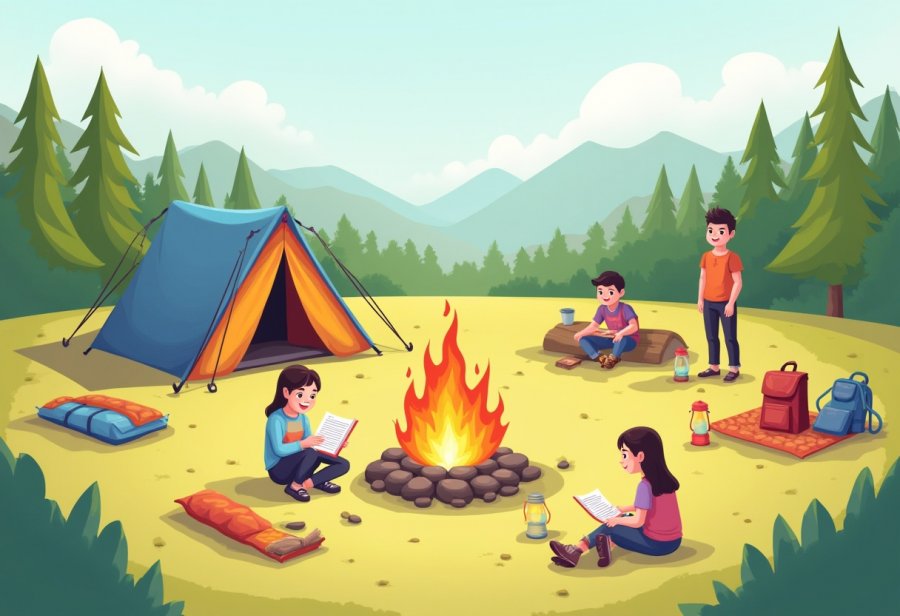
Looking ahead, the future of camping promises to be more exciting and accessible than ever before. Advances in portable technology are reshaping outdoor adventures, making them easier and more connected even in remote locations. Lightweight solar panels, compact battery packs, and smart tents with built-in lighting and ventilation are transforming how we experience nature, allowing longer trips with less hassle and a smaller environmental footprint. These innovations help campers stay powered up and comfortable while treading lightly on the environment.
Eco-conscious practices are increasingly shaping the outdoor scene. More campers are adopting leave-no-trace principles, biodegradable products, and eco-friendly gear. This shift emphasizes responsible outdoor recreation, ensuring natural spaces remain pristine for future generations. As awareness grows, eco-tourism options that prioritize low-impact experiences are expanding, giving everyone the chance to enjoy nature without leaving a heavy footprint.
Technology continues to open new doors for outdoor exploration. Virtual and augmented reality tools now let beginners preview campsites or learn essential skills before heading out. These innovations boost confidence, making outdoor life less intimidating for newcomers. Guided outdoor programs and themed retreats are also gaining popularity, offering personalized ways to deepen your connection with nature and build outdoor skills in a supportive environment.
Family and group camping are evolving with better amenities and kid-friendly activities. As more people seek quality time away from screens, camping becomes a prime way to reconnect with loved ones. Shared experiences like storytelling, outdoor games, or group hikes foster stronger bonds and create lasting memories, making outdoor trips more meaningful and inclusive for all ages.
Smarter gear is making camping safer and more straightforward. App-controlled lighting, GPS safety devices, and temperature-regulating equipment help reduce setup time and navigate challenges easily. These innovations especially benefit first-timers, encouraging more beginners to embrace outdoor adventures with confidence. As such technology becomes more affordable and user-friendly, it lowers barriers, inviting a broader community into the outdoor lifestyle.
Designing outdoor spaces is also changing. Parks and public lands are adopting sustainable infrastructure and expanding accessible camping options. Efforts to make the outdoors inclusive—regardless of physical ability, age, or background—are helping to create a diverse outdoor community. These initiatives ensure everyone has a chance to experience the beauty of nature firsthand, fostering a culture of shared appreciation and respect.
Looking further ahead, innovation will keep camping vibrant and relevant. Every new tool, practice, and space design aims to enhance sustainability, inclusivity, and enjoyment. For newcomers, this evolving landscape offers endless opportunities to explore and grow. With curiosity and an open mind, future camping trips can become even more rewarding, deepening our love for nature and strengthening our connection to the outdoors.